REVIEW · BRUGES
Frietmuseum Entrance Ticket
Book on Viator →Operated by Frietmuseum · Bookable on Viator
Potatoes to frites in one hour. In Bruges, the Frietmuseum turns a simple snack into a walk through Belgium’s food pride inside the gorgeous historic Saaihalle building. I love that it’s built for real people (not just food nerds): you get English audioguides and learn how fries went from potato origins to a Belgian obsession. One caution: it’s largely self-guided, with a lot of text to read, so if you hate reading in museums, you’ll want a strategy.
You’re looking at a visit that usually lands around 40 minutes to 1 hour. The ticket includes the audio guide, while the fun part at the end—fries—costs extra because food and drinks aren’t included. It’s open every day from 10:00 am to 5:00 pm, with last tickets at 4:15 pm, which makes it easy to plug into a rainy Bruges afternoon.
With a maximum of 15 people at a time, the experience stays relaxed. And because children must be with an adult, it’s also a solid stop if you’re traveling with families and want something structured that still feels playful.
In This Review
- Key highlights I’d plan around
- Why the Frietmuseum is a smart Bruges stop
- Inside the Saaihalle: the building does half the work
- Ground floor: where the potato story begins
- First floor: how Belgian fries found their fame
- The medieval cellars and your fries moment
- Self-guided in English: how to avoid museum reading fatigue
- Time, price, and what feels like good value
- Best for foodies, rainy-day plans, and families
- Quick practical tips before you go
- FAQ
- How long does the Frietmuseum visit take?
- Is the Frietmuseum ticket in English?
- What is included with the entrance ticket?
- Do I get fries included in the ticket price?
- What are the opening hours?
- Is there seating or nearby transportation?
- Should you book this entrance ticket?
Key highlights I’d plan around
- Saaihalle setting: you’re inside one of Bruges’ prettiest historic buildings, plus the museum uses its medieval cellars.
- Potato origins explained: the story starts with the potato’s Peru roots more than 10,000 years ago.
- Fries history on the first floor: you’ll trace how frites became a Belgian signature and learn how they became popular.
- English audioguides: you can move at your own pace without waiting for a guide.
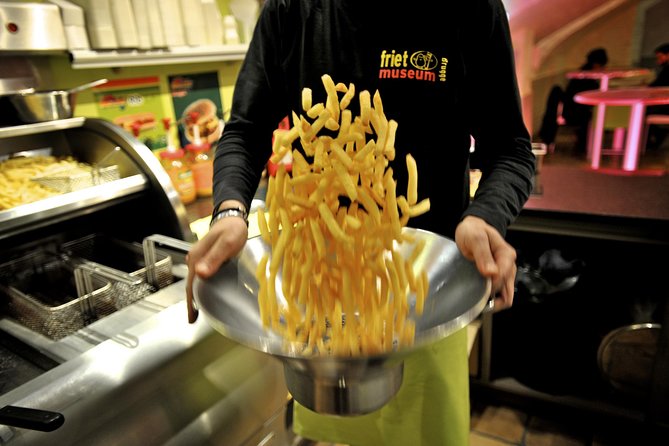
- Basement fries payoff: medieval cellars connect the story to the taste—fries are available to buy on site.
Why the Frietmuseum is a smart Bruges stop
Bruges has plenty of classic museums, but the Frietmuseum has a different angle. It treats potato fries as something worth learning about—where they came from, how they evolved, and why Belgians care so much. That makes it a good choice when your day needs something lighter than art history but not as shallow as a quick snack stop.
I like that the museum doesn’t just say fries are great. It gives you a reason to pay attention, starting from the potato’s ancient past and ending with the modern food culture you actually see around town. If you’re the type who enjoys food stories—history, technique, habits—this fits.
The other reason it works: timing. At 40 minutes to 1 hour, it doesn’t eat your day. In a city where you might already be walking a lot, this is a contained experience you can add without stress, especially if the weather turns.
You can also read our reviews of more tours and experiences in Bruges
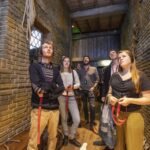
Inside the Saaihalle: the building does half the work
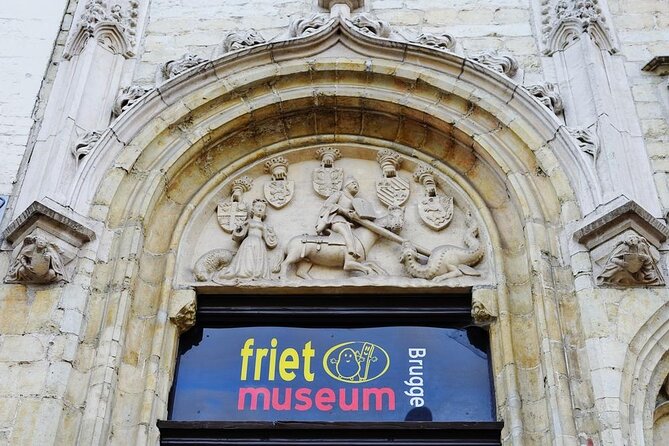
The museum is housed in the Saaihalle building, and that matters more than you might think. A lot of food museums feel like a shop with a couple of screens. Here, you’re in a real historic space, and that helps the story feel grounded.
As you move through floors, the building’s layout naturally supports the narrative: the museum isn’t one flat exhibit. Instead, the experience is split into sections that match a timeline. Then, in the basement, the medieval cellars give the whole thing a built-in sense of atmosphere.
If you like Bruges for its architecture, you’ll probably appreciate this stop even before you hit the exhibits. It’s also an easy win when you’re tired and want to sit a bit between walks—because the visit is compact and self-paced.
Ground floor: where the potato story begins
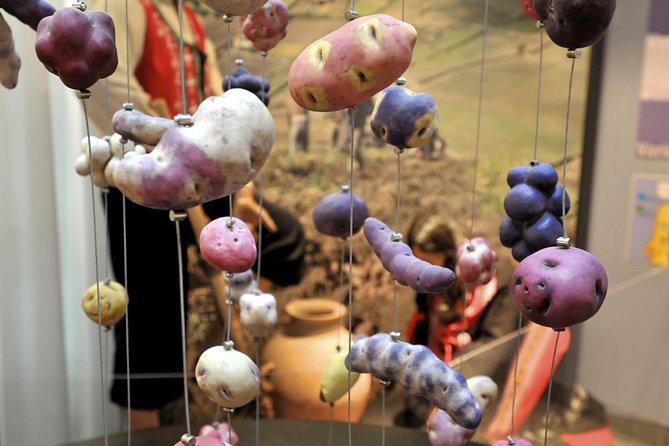
On the ground floor, the focus is the potato itself—its early roots and how far back the plant’s story goes. You’ll see the big idea that potatoes originated in Peru more than 10,000 years ago. That’s not just trivia; it reframes fries. You start by understanding the crop’s long journey, not the Belgian plate you know today.
This section is the “origin” part of the museum, and it’s a nice way to warm up. If you’re visiting with kids, it gives them something concrete to anchor the later story to. If you’re visiting solo or as a couple, it sets up the logic of what you’ll hear upstairs: fries didn’t appear out of nowhere in Belgium.
One practical tip: if you’re not a big reader, don’t try to absorb every line. Use the audio guide to grab the main points, then treat the text as optional support.
First floor: how Belgian fries found their fame
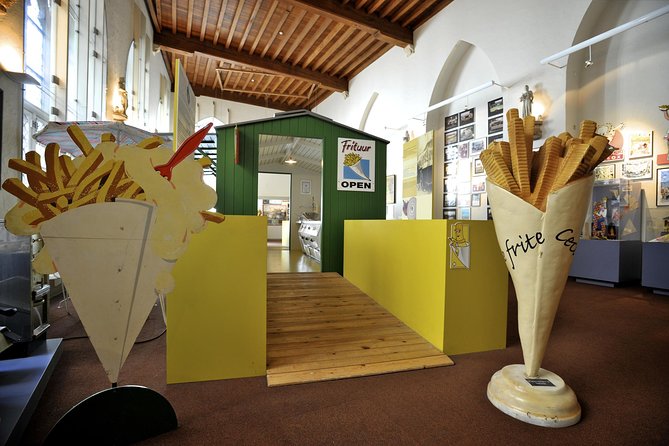
Upstairs is where the museum shifts from potato origins to fries themselves. This is the part where you learn about the history of fries and how they arrived in Belgium and became so closely associated with the country.
Some displays lean more serious, focusing on how fries developed and how modern production relates to the earlier story. That mix can be a good thing, but it’s also where you might feel the museum asking you to slow down and read more.
In my view, the best way to handle the first floor is to think in cause-and-effect. Ask yourself: what changed for fries to become a Belgian signature? Then, use the audio guide to connect the dots as you move.
If you’re a food lover who likes to understand the “why” behind what you eat, this floor is the one you’ll probably remember after the visit. It’s also where you’ll pick up practical ideas for how Belgians talk about fries and how they think about them as a national favorite.
The medieval cellars and your fries moment
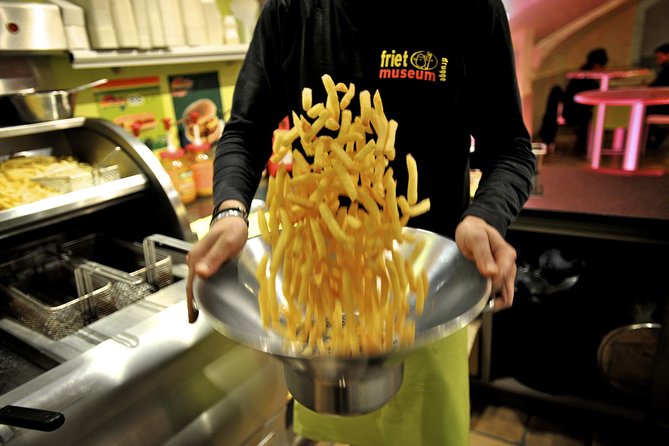
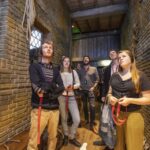
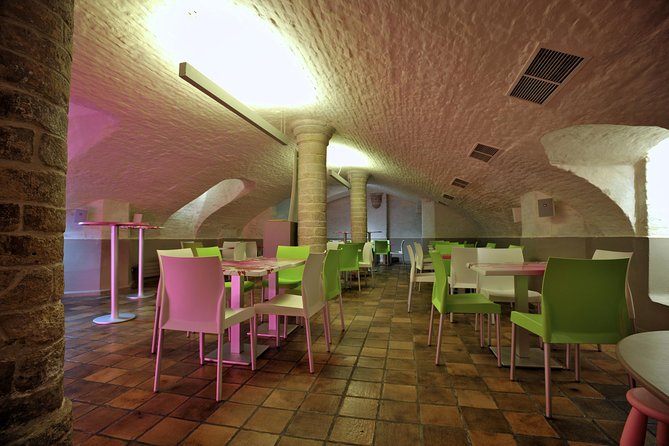
Down in the basement cellars, the museum ties the story to the eating. The exhibits mention that it’s possible to sample fries in this setting, and the museum also has fries available to buy on site.
This is the payoff area. You’re not just learning about potatoes now—you’re standing in a historic space while fries are part of the experience. It’s a great way to make the museum feel like something you can taste, which helps if you’re worried it might turn into a lot of reading.
Important practical note: food and drinks aren’t included with your ticket. So budget a little extra if you want fries (and any toppings or drinks). That’s also why the museum can still feel like value: the ticket pays for the museum story and the audio guide, and you control the spend on the food.



Self-guided in English: how to avoid museum reading fatigue
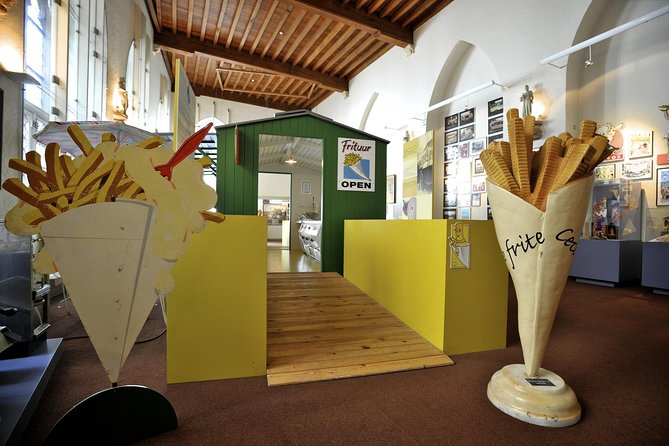
This is a self-guided experience, and that’s where people either love it or struggle a bit. The upside is control: you don’t have to keep pace with a group. The audio guides in English let you move at your speed and focus on what interests you most.
The downside is the museum uses a fair amount of text. If you’re the kind of visitor who hates reading through exhibit captions and panels, you’ll want to skim smart.
Here’s how to make it work:
- Start with the audio guide so you get the main points fast.
- Use the written displays as reinforcement, not homework.
- Give yourself permission to spend 2–3 minutes per section instead of trying to read everything.
Also keep in mind the review pattern: some people find the exhibits fun and educational, while others feel a few displays are more simplistic than they expected. That doesn’t mean the museum is bad—it just means your enjoyment will depend on whether you like “light learning” or “heavy learning.”
Time, price, and what feels like good value
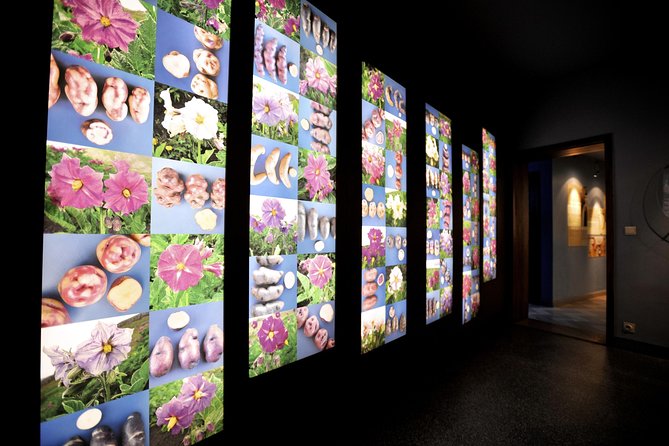
The entrance ticket is $14.44 per person and your visit typically runs 40 minutes to 1 hour. With audio guides included, you’re paying for the museum experience and the guided audio content—not for food.
Is it good value? For the right person, yes. You’re getting:
- A structured, multi-floor story about potatoes and Belgian fries
- English audioguides included
- A historic Bruges building experience
- Access to fries on site if you want to extend the visit with a snack
Where value can feel weaker is if you want a hands-on tasting experience included in the ticket. The data you’ve got here says food isn’t included, so you should plan to pay separately if you want fries beyond any small sampling mentioned.
My practical take: treat the ticket as the museum portion. Then decide after you’ve seen the basement exhibits whether you want to buy fries because you feel like it—not because you feel obligated.
Best for foodies, rainy-day plans, and families
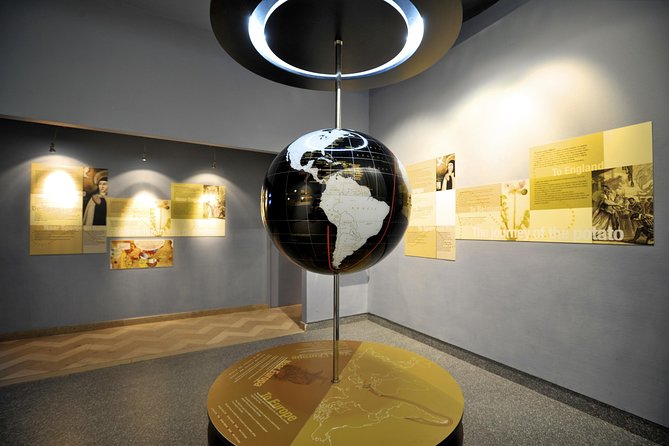
The Frietmuseum is built to work across ages. Children must be accompanied by an adult, and the museum’s presentation is described as family-friendly. That makes it a solid option if you’re traveling with kids who still enjoy stories and visuals, not just running around.
If you’re a foodie or you like learning where iconic foods come from, this museum clicks. Fries are the hook, but you’re really getting a lesson in how food culture forms—starting with where the ingredient came from.
If you hate self-guided museums, or you’re short on patience for reading lots of exhibit text, you might find it a little average. In that case, you can still enjoy the setting and the fries payoff, but you may want a second plan ready for after your hour so you don’t feel like the day is only museum time.
Quick practical tips before you go
- Go early enough that last tickets at 4:15 pm aren’t a stress factor. The museum is open until 5:00 pm, but last-entry timing matters.
- Wear shoes you can stand in. The museum is multi-floor and self-paced.
- Plan for English audio support. It’s offered in English, and that’s the main way the museum gives you the story while you walk.
- If you want fries, keep a little extra cash or card on you. Food and drinks aren’t included in the ticket.
FAQ
How long does the Frietmuseum visit take?
Most visits take about 40 minutes to 1 hour.
Is the Frietmuseum ticket in English?
Yes. The experience is offered with English audioguides.
What is included with the entrance ticket?
The ticket includes audioguides.
Do I get fries included in the ticket price?
No. Food and drinks are not included, even though fries are available on site.
What are the opening hours?
The museum is open every day from 10:00 am to 5:00 pm, with last tickets at 4:15 pm.
Is there seating or nearby transportation?
The tour listing notes that it’s near public transportation, and food is available on site, but it doesn’t specify seating details.
Should you book this entrance ticket?
Book it if you want a compact, food-centered museum experience in Bruges—one that connects potato origins to why Belgian fries matter. It’s especially worth it if you like learning in an easy, self-guided way using English audioguides, and if you’re happy to add fries on site separately.
Skip or reconsider if you’re mainly hoping for a ticket that includes a full fries tasting experience, or if you dislike reading exhibit panels. In that case, you might still enjoy the building and the basic story, but the museum may feel longer than you want for the price.
My bottom line: for $14.44 and an hour of self-paced audio-guided wandering, the Frietmuseum is a strong bet for food lovers and families—just plan your fries budget separately and don’t expect it to be a fast, light “snack museum.”