REVIEW · GHENT
Ghent: Museum of Fine Arts Entry Ticket
Book on GetYourGuide →Operated by Museum of Fine Arts Ghent · Bookable on GetYourGuide
Ghent’s art museum feels like a time machine. With 30 galleries and an audio guide built for real listening, you can see centuries of European art in one smooth visit. I love the museum’s clear way of guiding you through time, and the fact that the Ghent Altarpiece restoration is visible right in the building. One thing to plan for: you cannot bring food or large bags inside, so you’ll want to pack light and use the cloakroom.
If you like art that connects eras, this museum does that well. I also like the range: you get early works (before 1800), then major 19th and 20th century names, and finally modernism with artists like René Magritte and Gustave Van de Woestyne. The audio guide adds helpful context with modern perspectives and different formats, including a kids route.
The main drawback is simple: it is not a quick in-and-out stop. Even if you move efficiently, you’ll likely want time to slow down with the big rooms, especially around the restoration area.
In This Review
- Key Things I’d Prioritize
- Entering The Ghent Museum Of Fine Arts: What This Ticket Really Gets You
- Your Walk Through 30 Galleries: How To Make A One-Day Plan That Works
- Bosch, Rubens, Brueghel II, Van Dyck: The Masterpieces Floor You Don’t Need To Overthink
- The Ghent Altarpiece Restoration Workshop Behind Glass: Why This Is The Big Moment
- Pre-1800 To Modernism: How This Museum Changes Gears Without Losing You
- Temporary Exhibitions Included: How To Get Value Without Checking Every Detail
- Audio Guide and Family Route: Practical Learning, Not Just a Download
- First Thursday Evenings Until 22h: When Ghent’s Museum Turns Into a Night Walk
- The Building, Then the Park: How To Finish Your Visit Like a Local
- Practical Tips That Save Time (And Prevent Annoying Stops)
- Is This Worth $17? Value Check and Who It Fits Best
- Should You Book This Ghent Museum Ticket?
- FAQ
- How much time should I plan for the Ghent Museum of Fine Arts?
- What is included with the entry ticket?
- What languages are available on the audio guide?
- Is the museum wheelchair accessible?
- Are food, drinks, and large bags allowed inside?
- Can I take photos in the museum?
Key Things I’d Prioritize
- 30 galleries arranged so the collection makes sense as you walk
- Live view of the Ghent Altarpiece restoration behind glass
- Big-name art across the 14th to 20th centuries (think Bosch, Rubens, Brueghel II)
- Temporary exhibitions included in your ticket price
- Audio guide with adult and kids content in Dutch, English, and French
- First Thursday late openings until 22h, often with extra programming
Entering The Ghent Museum Of Fine Arts: What This Ticket Really Gets You
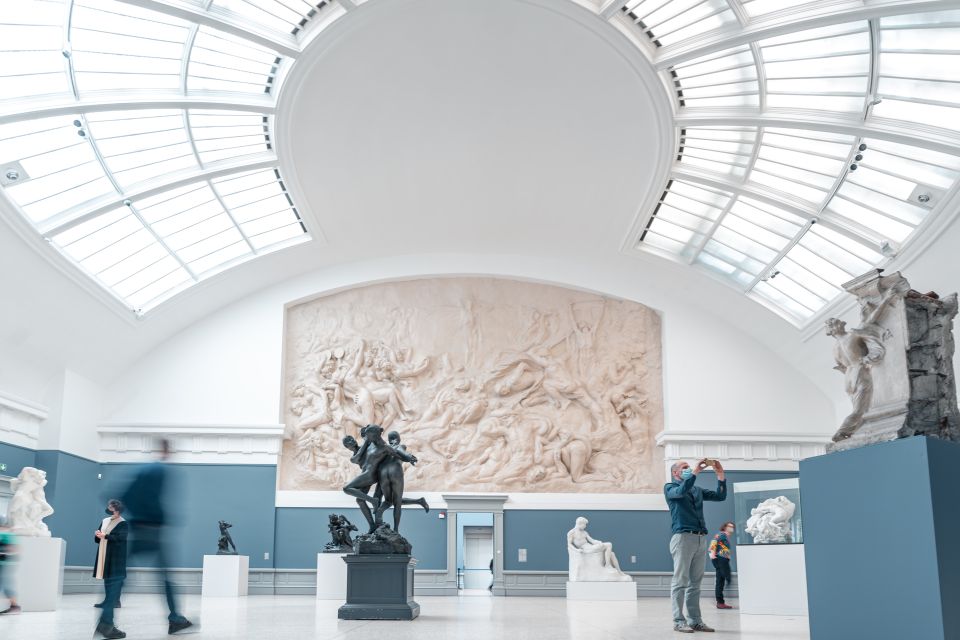
This is a one-day entry ticket to the Ghent Museum of Fine Arts, one of the easiest ways to experience the city’s art side without committing to a guided tour. For $17 per person, you get access to the permanent collection, plus temporary exhibitions that come along automatically. That pairing matters, because you don’t have to decide whether to spend your time on only one track.
The museum is organized for walking. There’s a chronological route, so older art and newer art don’t feel like random rooms. It’s also built for variety: you’ll find thematic and monographic galleries that group works in ways that help you notice patterns.
Plan to bring your curiosity more than your checklist. This is the kind of museum where you can go straight for famous names and still end up learning something new from the way paintings, sculptures, and installations sit near each other across periods.
You can also read our reviews of more tours and experiences in Ghent.


Your Walk Through 30 Galleries: How To Make A One-Day Plan That Works
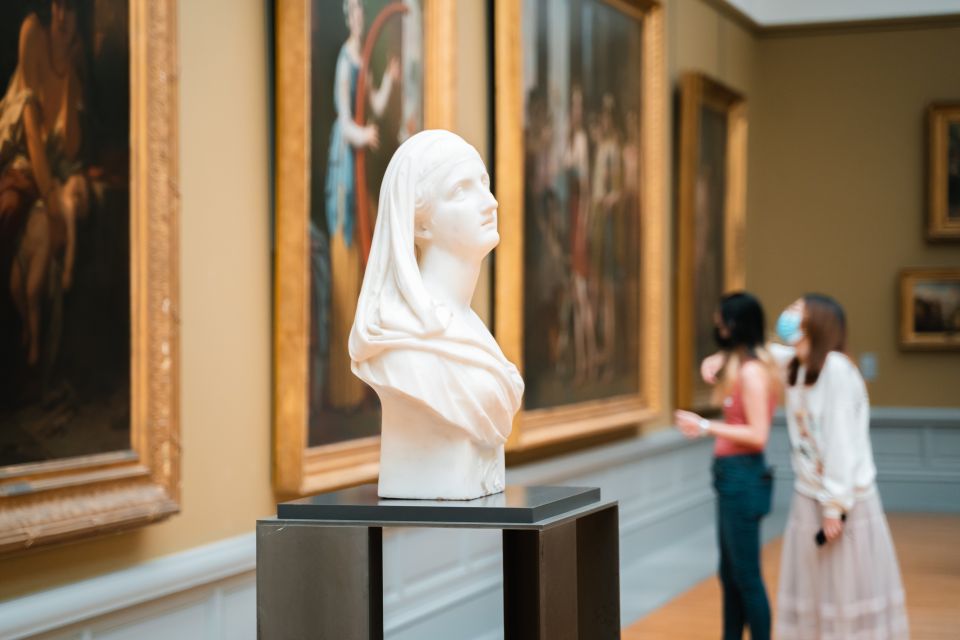
The ticket covers 30 different galleries, and about half of them focus on art made before 1800. That means your visit can naturally split into two big waves: early art first, then the later centuries. If you do it right, the transitions feel logical rather than exhausting.
Here’s a practical way to pace it:
- Start with the older works and let your eye adjust to styles and themes from medieval through early modern periods.
- Then shift to the 19th and 20th century rooms, where Belgian art and European modernism start to feel more like a conversation with the present.
- Save time for the restoration area, because it’s a special draw and not just another gallery door.
The layout also supports repeat returns to ideas. Because the visit has a chronological spine, you can compare how certain subjects change over time—religion, portraiture, everyday life, symbolism—without feeling lost.
If you want a more structured experience, use the free audio guide. It’s designed for modern listening and includes different angles like musical interpretations and queer views, plus descriptions aimed at visually impaired visitors. In other words, it’s not just facts read out loud.
Bosch, Rubens, Brueghel II, Van Dyck: The Masterpieces Floor You Don’t Need To Overthink
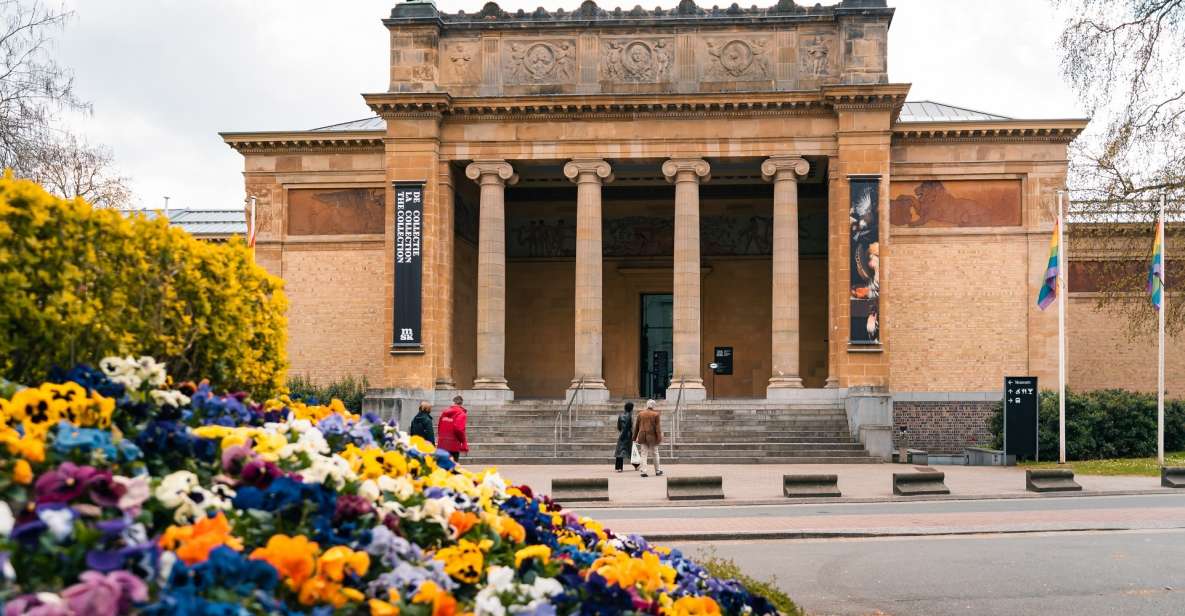
You’ll see major European and Belgian art players here, including names you’ll recognize quickly: Hieronymus Bosch, Pieter Paul Rubens, Brueghel II, and Anthony van Dyck. Even if you’re not an expert, these names act like anchors. You can build your day around them and then connect the dots with nearby rooms.
What’s especially useful is the way this museum mixes well-known pieces with galleries that explain the surrounding context. You’re not just staring at famous work; you’re seeing how it fits into the bigger story of European art history.
And because you’re not in a huge building maze, you can keep your momentum. The collection is arranged so artworks from different time periods can interact with each other as you move, which helps your brain stop treating each century like a separate world.
The Ghent Altarpiece Restoration Workshop Behind Glass: Why This Is The Big Moment
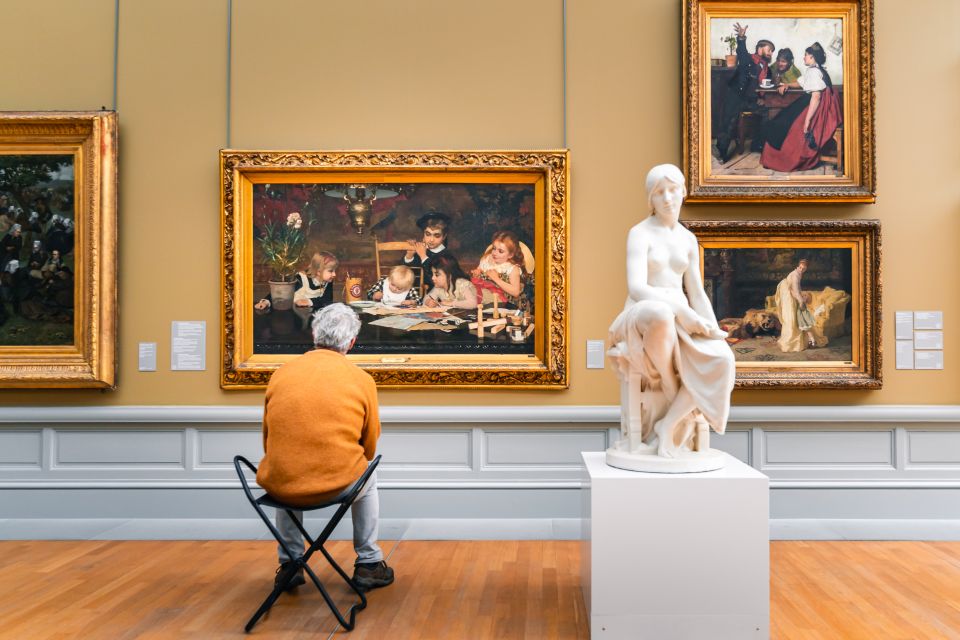
The standout experience is the final restoration phase of the Ghent Altarpiece (Jan van Eyck, 1432), viewable live in a workshop behind glass. This is not the usual museum trick where you read about restoration somewhere else. You get to watch the process as it happens.
Why it’s worth centering your visit on this:
- Restoration makes you realize art isn’t frozen. It’s maintained, interpreted, and protected.
- Seeing the work from inside the museum turns a legend into a real, active craft.
- It breaks up the usual pattern of just walking from frame to frame.
Set aside enough time here to actually look. Don’t treat it like a quick photo stop. The glass view is the point, and your best experience comes from steady attention, not rushing.
Also, since restoration is happening behind glass, it adds a different kind of atmosphere. It feels more like a working studio than a gallery, which is rare in major art museums.
Pre-1800 To Modernism: How This Museum Changes Gears Without Losing You
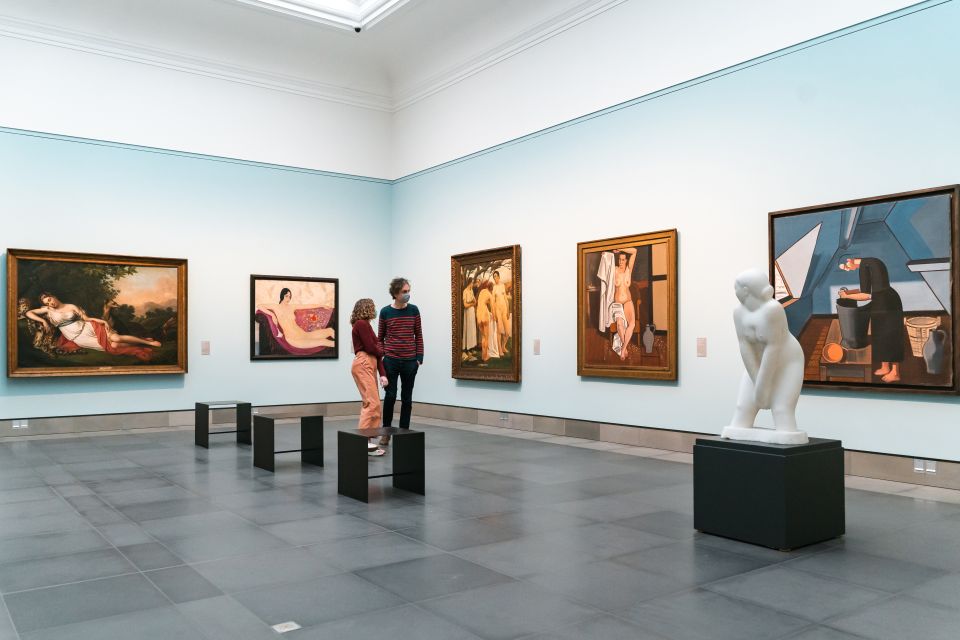
The museum’s first half of galleries covers art from before 1800. That gives you time to experience older approaches to perspective, symbolism, and storytelling. If you’re the type who likes to understand why artists painted the way they did, this portion helps you build the background you’ll appreciate later.
Then the museum shifts into the 19th and 20th centuries with Belgian artists such as James Ensor, Emile Claus, and Georges Minne. This is where you start noticing how national art scenes feed into wider European movements.
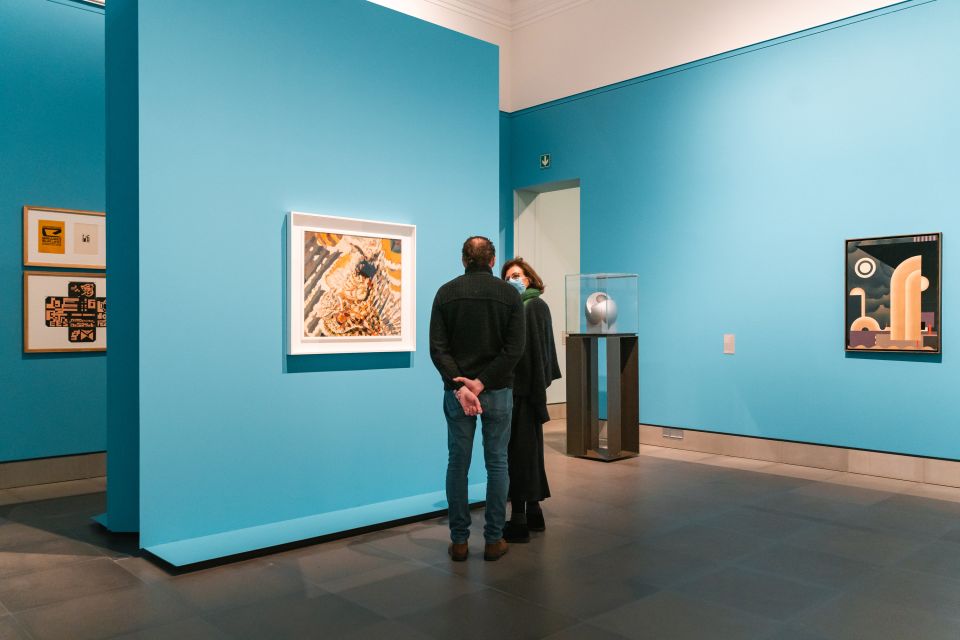
The modernism side brings names like René Magritte and Frits Van den Berghe and also includes works by Gustave Van de Woestyne. Expect a different emotional register here. If you’ve only ever heard about modern art as a style label, you’ll likely find it lands more personally when you see the works in a museum sequence that still respects chronology.
The key to enjoying the whole sweep is pacing. Don’t try to “finish” the museum. Aim to move through it with intention—choose a few rooms where you slow down and accept that you’ll skim some galleries.





Temporary Exhibitions Included: How To Get Value Without Checking Every Detail
Your ticket includes entry to temporary exhibitions automatically. That’s a big practical advantage. You’re paying for one set of admission and you get to see what the museum is prioritizing right now, not just the permanent rooms.
Sometimes temporary shows lean more experimental, sometimes they’re centered on a theme or an artist. When you’re planning your day, keep flexibility so you don’t treat the temporary space as an afterthought.
If you happen to catch an exhibition like Transcripts of a sea, it’s the kind of show that can give your permanent-collection experience a modern contrast. Even when you’re not sure what the temporary show is about, it helps to check the signage when you arrive and decide whether you want to spend extra time there or treat it as a shorter stop between major permanent galleries.
Audio Guide and Family Route: Practical Learning, Not Just a Download
The audio guide is included, and that’s more valuable than it sounds. It’s offered in Dutch, English, and French, and the content goes beyond basic descriptions. You get options that include modern perspectives, musical interpretations, and accessibility-focused descriptions. There’s also an adult audio guide and a separate kids tour, plus a family route with children’s labels and small activities.
If you’re traveling with kids, this matters because it gives you a built-in way to keep them engaged without constantly inventing scavenger hunts. If you’re traveling solo or with friends, the audio guide gives you a reason to linger rather than just walk past.
One more tip: use the audio guide as a tool, not a script. If a room grabs you visually, lower the volume or pause and look without narration for a minute. You’ll get more out of the art when your eyes do some of the work.
First Thursday Evenings Until 22h: When Ghent’s Museum Turns Into a Night Walk
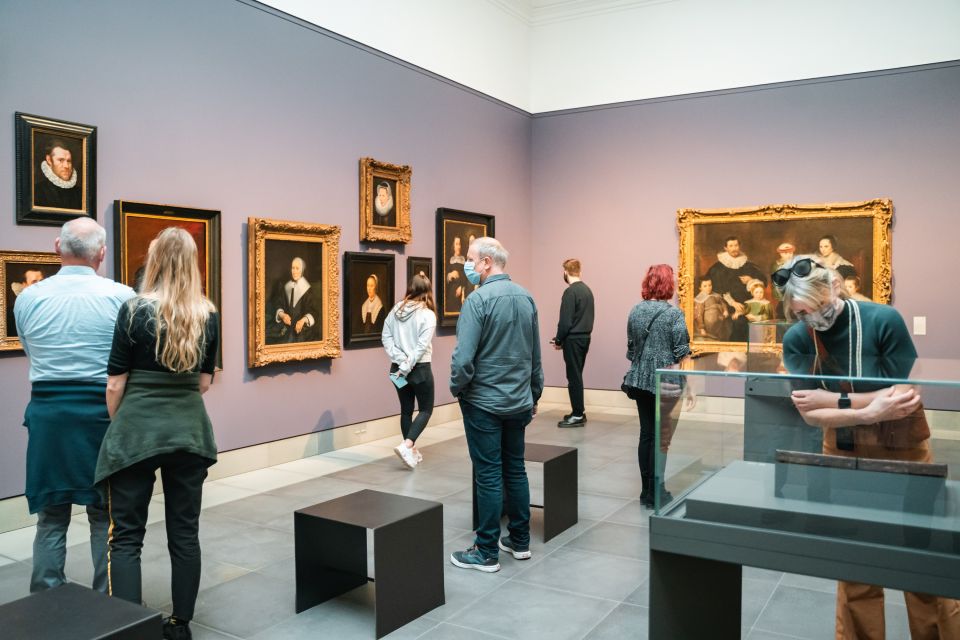
This museum stays open until 22h each first Thursday of the month, and there’s often a separate activities programme. That’s a strong reason to schedule your ticket for an evening if you can.
Night hours change the experience in small ways. The museum feels calmer. The walk becomes less about rushing. And you might find that the restoration area and galleries feel different when you’re not surrounded by the daytime crowd rhythm.
If you can only go at daytime, you’ll still have a good experience. But if you have flexibility, evening is a quality upgrade.
The Building, Then the Park: How To Finish Your Visit Like a Local
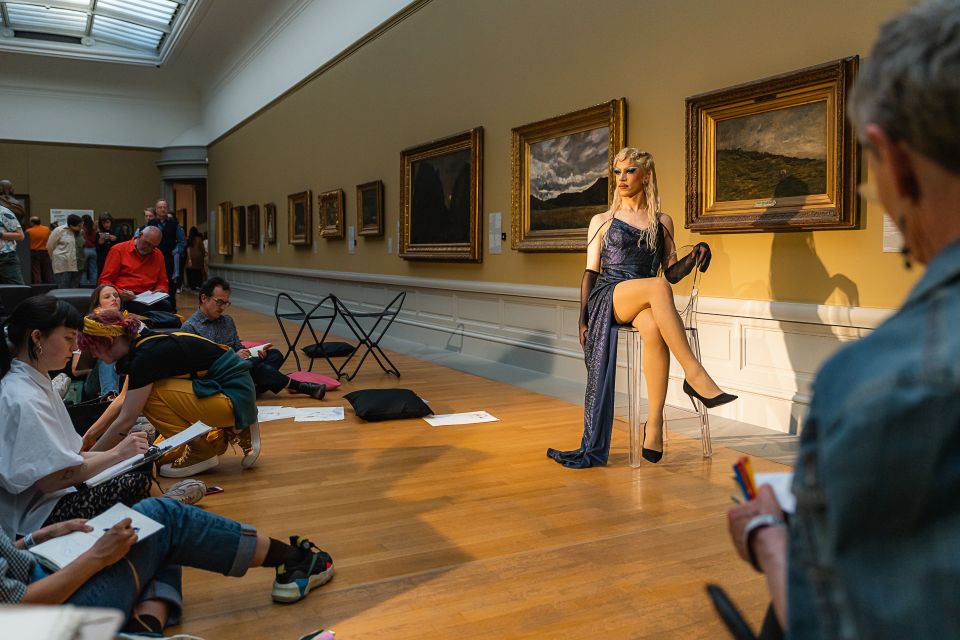
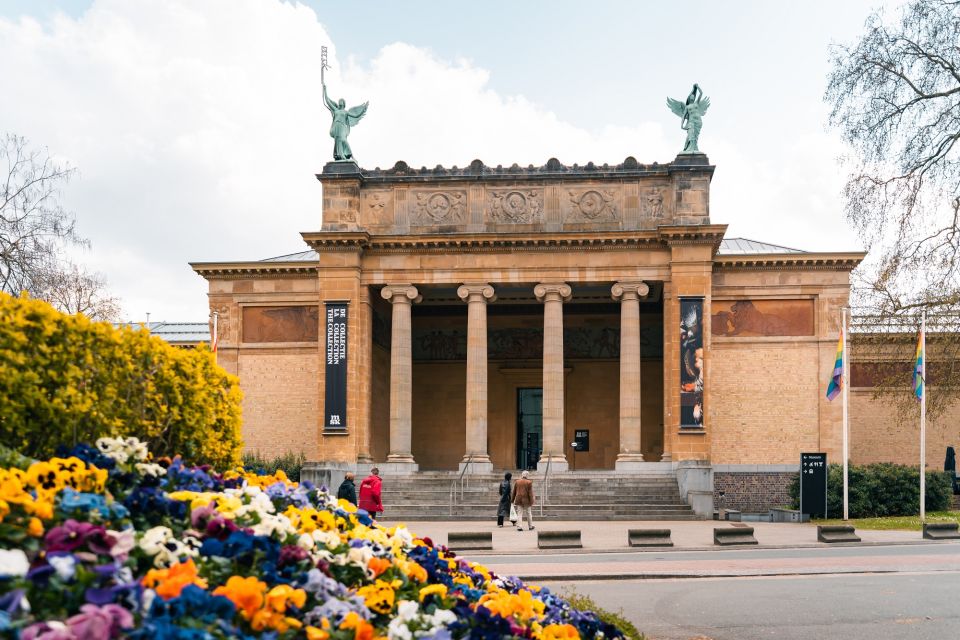
You enter a monumental museum building, then you’re right next to a green park on its doorstep. That pairing is practical for two reasons: it gives you a natural decompression break, and it helps you avoid the “museum burnout” feeling that can show up after long indoor hours.
After your last gallery, step outside and reset. It’s also a good moment to pick one artwork you loved and sketch the themes you noticed across the day—like how certain subjects shift from early periods to modernism.
Practical Tips That Save Time (And Prevent Annoying Stops)
Before you go, plan around the museum rules. Flash photography is not allowed, and food and drinks are not permitted inside. You also cannot bring luggage or large bags. The good news is there’s a free cloakroom, so you’re not stuck figuring it out on the spot.
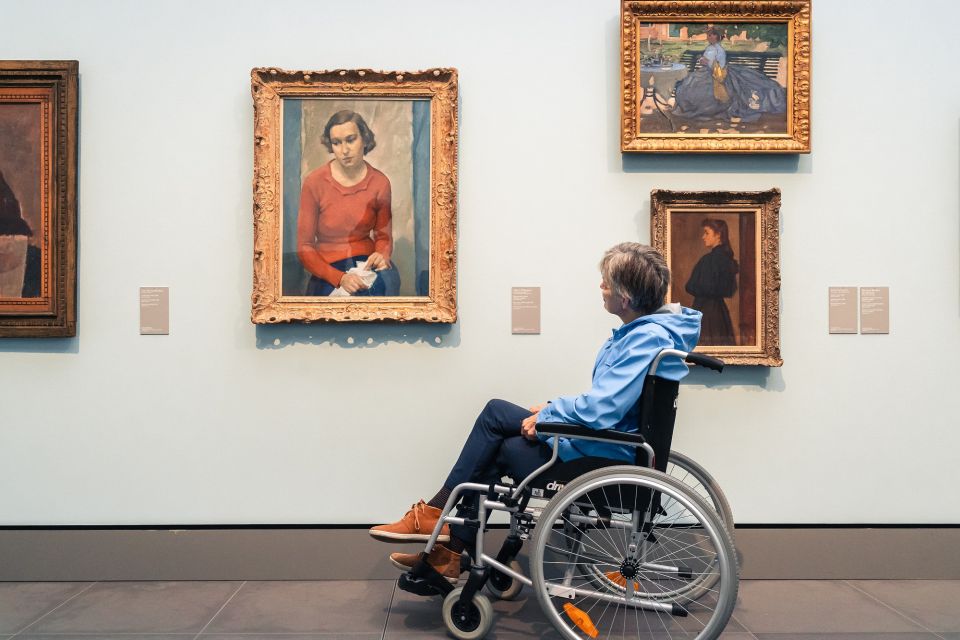
What to bring is simple: an ID card or passport, and comfortable shoes. The museum is wheelchair accessible, and access is via a side entrance. There’s also a breastfeeding and diaper changing room and gender inclusive restrooms, which makes the museum easier to use for more than one type of traveler.
If you’re tempted to bring umbrellas, don’t. Umbrellas are not allowed, so check how you’ll handle weather before you arrive.
Is This Worth $17? Value Check and Who It Fits Best
For $17 per person, the value is strongest if you plan to actually use what’s included: both permanent galleries and the temporary exhibitions, plus the audio guide. If you skip the audio guide and only see a handful of rooms, you might feel the price more than you need to.
What makes it good value:
- Temporary exhibitions are included, so you get more than a single collection.
- The restoration workshop behind glass is a standout experience you can’t replicate by reading about the altarpiece later.
- The museum is set up for a chronological route, so you don’t have to build your own itinerary from scratch.
Who this ticket suits best:
- Art lovers who want a full-range European and Belgian overview without hopping between multiple venues.
- Travelers who like structure but also want freedom to pause for what grabs them.
- Families, because the kids audio tour and family route are built in.
Who might not love it:
- People who only want a quick hit of a couple of famous works. This museum rewards time and attention, even though it gives you a clear route.
If you’re a student, check pricing carefully. One recent visitor notes a student rate of 4.8€ and also mentioned an extra 5% off using a code JUSDP0M5. That can make this museum an even better deal.
Should You Book This Ghent Museum Ticket?
Yes, if you want a high-impact art day in Ghent with real value built into the ticket. The combination of permanent collection + temporary exhibitions + audio guide + live altarpiece restoration view is exactly the sort of bundle that saves you effort and makes your time count.
Book it especially if you care about European art from the 14th to the 20th centuries, or if the Ghent Altarpiece restoration is on your must-see list. If you hate museums longer than a couple of hours, plan to pick a smaller set of galleries and still spend real time at the workshop—because that part is the reason to come.
FAQ
How much time should I plan for the Ghent Museum of Fine Arts?
The ticket is listed for a 1-day visit. If you move at a steady pace, you might be able to do less than a full day, but the museum is laid out so you can spend more time if you want to linger.
What is included with the entry ticket?
Your ticket includes entry to the permanent collection, entry to temporary exhibitions, and an audio guide for adults. It also includes a children’s audio guide and a family route with children’s labels and small activities.
What languages are available on the audio guide?
The audio guide is available in Dutch, English, and French.
Is the museum wheelchair accessible?
Yes. The museum is fully wheelchair accessible, and access is via a side entrance.
Are food, drinks, and large bags allowed inside?
No. Food and drinks are not allowed, and luggage or large bags are not permitted inside. There is a free cloakroom for items like coats and large belongings.
Can I take photos in the museum?
You cannot use flash photography in the museum.