REVIEW · BRUSSELS
From Brussels: Day Trip to Ghent with Atomium in English
Book on GetYourGuide →Operated by BUENDIA TOURS · Bookable on GetYourGuide
Medieval Ghent makes Brussels feel small. I love the English-guided morning that points out the big stories behind Ghent’s landmarks, and I love the 4 hours of free time that lets you slow down for lunch and wandering. One drawback: it’s a long 9-hour day with plenty of walking and a coach ride, so plan for sore feet and bring comfortable shoes.
You’ll start in Brussels, grab a quick look at the Atomium, then spend the rest of the day in Ghent—one of Europe’s best-preserved medieval cities. The route is packed with recognizable names like St. Bavo’s Cathedral and Gravensteen Castle, plus the quieter charm of Patershol. If you’re not comfortable with stairs, cobblestones, and uneven medieval streets, this isn’t the day trip for you.
In This Review
- Key things I’d focus on
- Meeting in Brussels: Hilton Grand Place to the coach ride
- Atomium photo stop: the fast Belgium warm-up
- Ghent with an English guide: the 2-hour highlights loop
- Gerald the Devil, St. Bavo’s Cathedral, and the Mystic Lamb
- Belfry, Town Hall, and the story of the noose-bearers
- Graslei quays and the medieval street toolkit
- Gravensteen Castle and Patershol: the medieval feel you’ll want more of
- Great Butchers’ Hall, Old Fish Market, and Friday Market
- The 4 hours of free time: lunch + a self-made route
- What the $49 price really buys you (and what it doesn’t)
- Group size, pacing, and how to handle the bus ride reality
- Who should book this Ghent and Atomium day trip?
- Should you book?
- FAQ
- How long is the Brussels to Ghent day trip?
- Is the tour in English?
- How much free time do I get in Ghent?
- What major sights are included in Ghent?
- Where do I meet in Brussels?
- Is lunch included in the price?
- Is this day trip suitable for people with mobility impairments?
Key things I’d focus on
- Atomium stop before Ghent: a quick, iconic Belgium photo moment before you hit medieval streets
- English guide for the core sites: see the cathedral, belfry area, guild halls, and castles with context
- Four hours to do your own thing: lunch, shopping, and a slower walk where you want
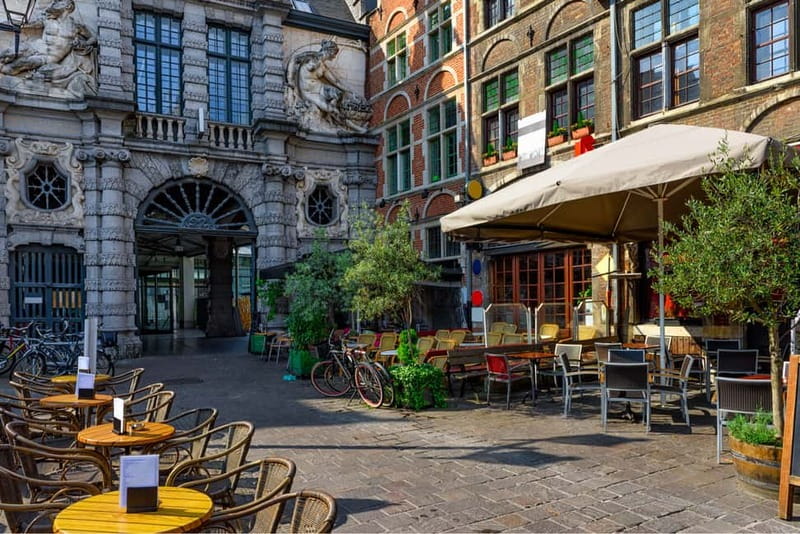
- Old Ghent trading lanes: Great Butchers’ Hall, Old Fish Market, and Friday Market add flavor beyond the landmarks
- Patershol at the right time: medieval backstreets when you can explore without a strict pace
Meeting in Brussels: Hilton Grand Place to the coach ride
This is a classic “start together, then split” day trip. You meet in front of the Hilton Grand Place Hotel at Brussels Central Station, and the guide will be wearing ID of Buendia Tours. A little hustle is normal here—show up a few minutes early so you’re not rushing when the group is boarding.
From there, the bus takes you out toward Ghent, with a scheduled departure time and a planned stop tied to the Atomium (more on that next). The ride time each way is about 1.5 hours, which matters because it eats up a big chunk of your day. The good news: once you’re in Ghent, you get both structure (a guided route) and freedom (your own time).
If you’re the type who likes to know what to do with your time, this kind of format works well. You’ll get the “greatest hits” early, then you can slow down for the alleyways, riverside views, and cafés that feel more personal than a checklist.
You can also read our reviews of more tours and experiences in Brussels


Atomium photo stop: the fast Belgium warm-up
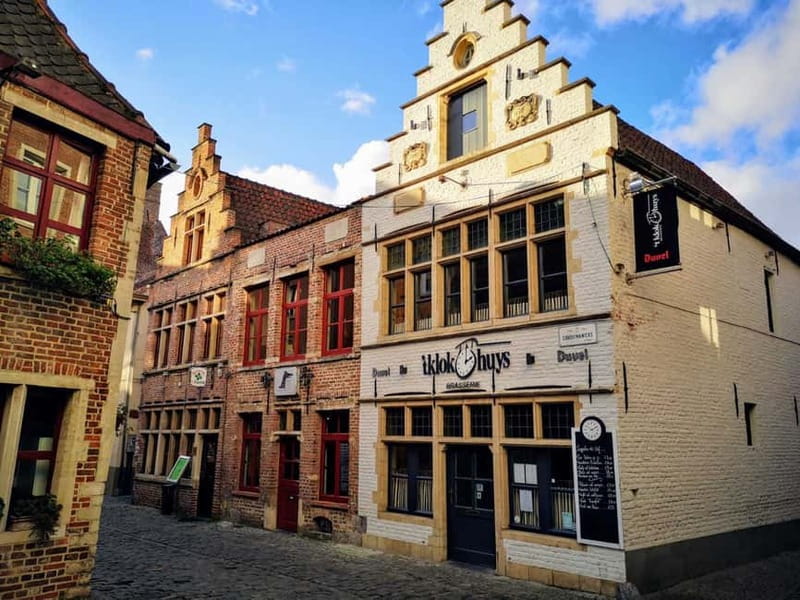
Before you head deeper into Flanders, the bus pauses at the Atomium. Even if you’ve seen it in photos, standing next to it hits different: it’s over 100 meters tall, and the spheres are about 18 meters across, representing the nine provinces of Belgium.
This stop is short by design. Don’t treat it like a full museum visit—think of it as a momentum builder. You’ll get the visual landmark for the day, plus an easy chance to grab a few photos before the focus shifts to medieval Ghent.
Practical note: if you’re traveling in a rain-or-shine season, Atomium weather is the same weather you’ll be facing in Ghent. Bring a light layer and plan for slippery sidewalks.
Ghent with an English guide: the 2-hour highlights loop
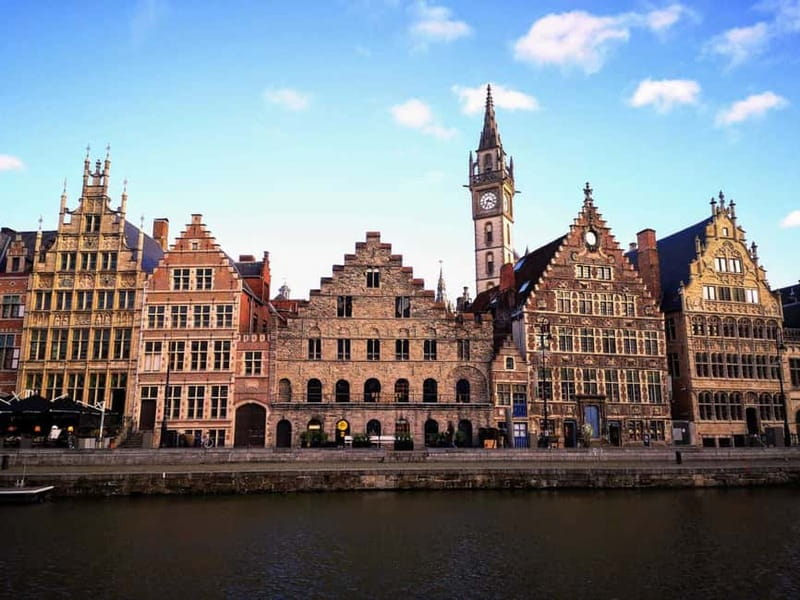
The guided portion in Ghent runs about 2 hours. That’s long enough to learn the major story threads, but short enough that you won’t feel locked into a schedule for every minute.
What you get is a tour that mixes big monuments with the human details that make Ghent feel lived-in. Expect stops that cover:
- religion and art (St. Bavo’s Cathedral)
- civic power and legend (the Belfry and Town Hall)
- guild and trade (guild halls and market sites)
- medieval defense and street-level charm (Gravensteen and Patershol)
Guides on this tour can include English speakers such as Paula, Julian, Hugo, Eve, Eros, Vita, and Guimor. Whoever you get, the emphasis is on storytelling—how Ghent grew, why certain buildings matter, and what makes local neighborhoods distinct.
The biggest win of this part of the day is context. Without it, you can still enjoy Ghent’s architecture. With it, you start noticing the why behind the stone—what was built for power, what was built for trade, and how the city’s identity shaped everyday life.
Gerald the Devil, St. Bavo’s Cathedral, and the Mystic Lamb
Ghent’s legends are half the fun, and the tour leans into them. One early stop is the Castle of Gerald the Devil, a 13th-century fortress tied to the city’s dramatic past. Even if you don’t know the story now, your guide gives you enough background to make it click as more than just a medieval ruin.
Then comes St. Bavo’s Cathedral, where you hear about The Adoration of the Mystic Lamb by the Van Eyck brothers. This is one of those moments where Ghent isn’t just pretty—it’s important. You’re connecting the city to world-class art history, which is a great use of a limited day.
If you’re an architecture and art person, you’ll appreciate how the tour uses these stops to explain Ghent’s status as a cultural center, not only a tourist postcard. If you’re more casual, you’ll still get something useful: a sense of what to notice when you’re later walking past façades on your own.
Belfry, Town Hall, and the story of the noose-bearers
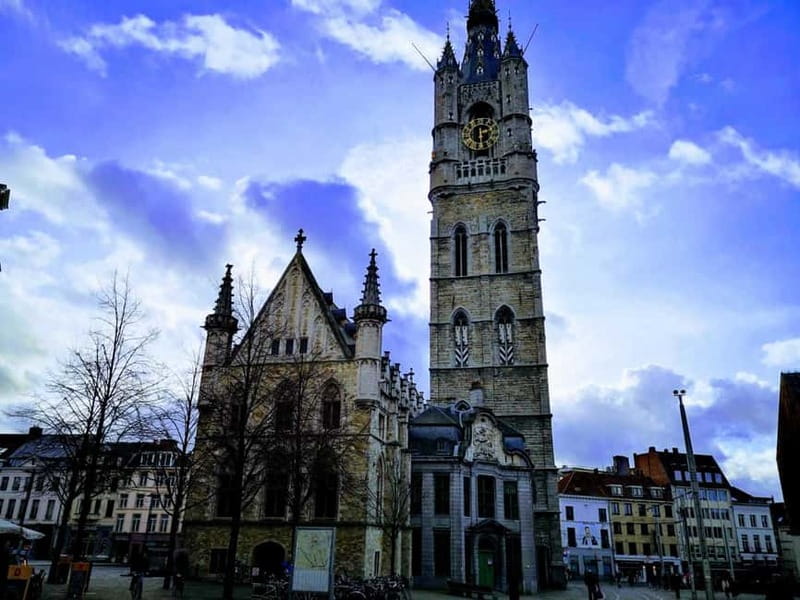
Next up are the civic sights: the Belfry of Ghent and the Town Hall area. This is where your guide turns Ghent’s power into something you can picture, not just read about.
One of the standout story elements is the explanation of why Ghent’s inhabitants are known as noose-bearers. It’s the kind of local detail that makes the tour feel like it’s coming from inside the city rather than from a guidebook.
This segment also helps you get your bearings. You’ll learn what areas are central to Ghent’s public identity, so later—during your free time—you don’t feel like you’re wandering blindly. You’re walking with a mental map.




Graslei quays and the medieval street toolkit
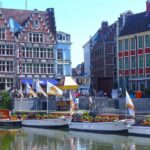
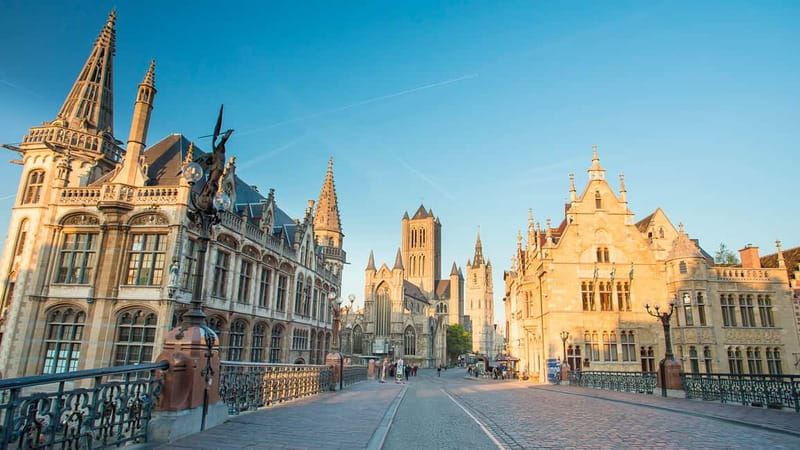
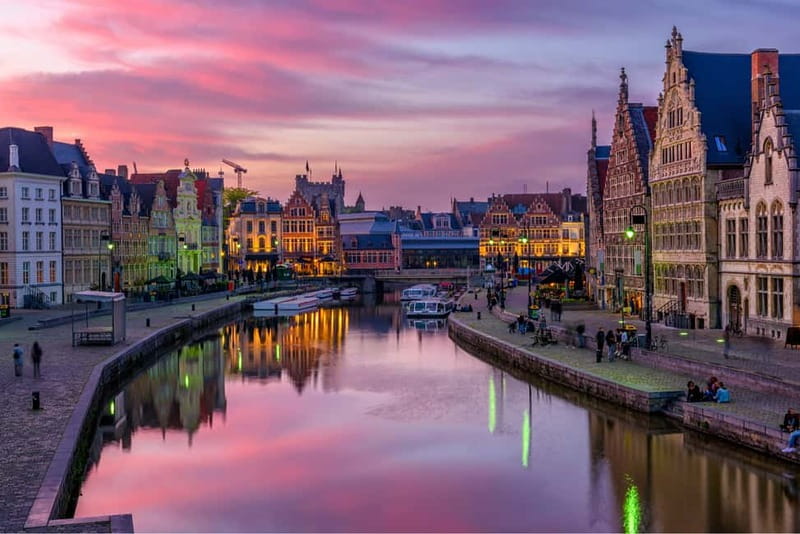
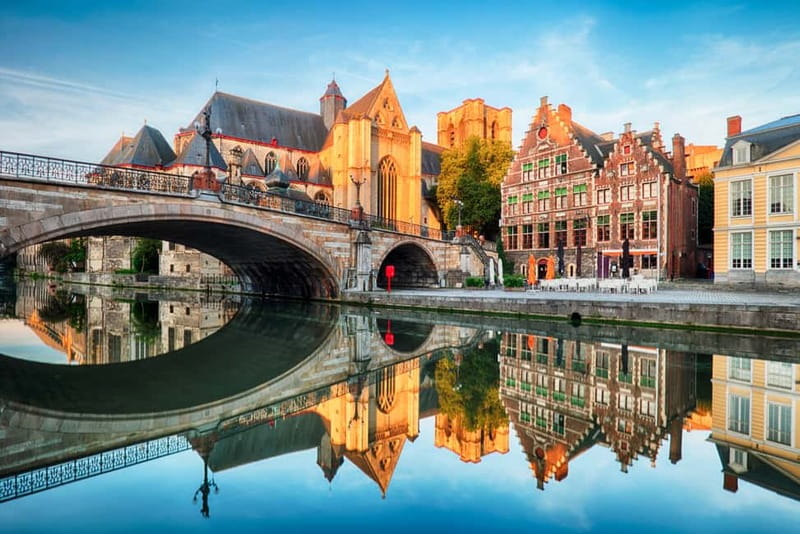
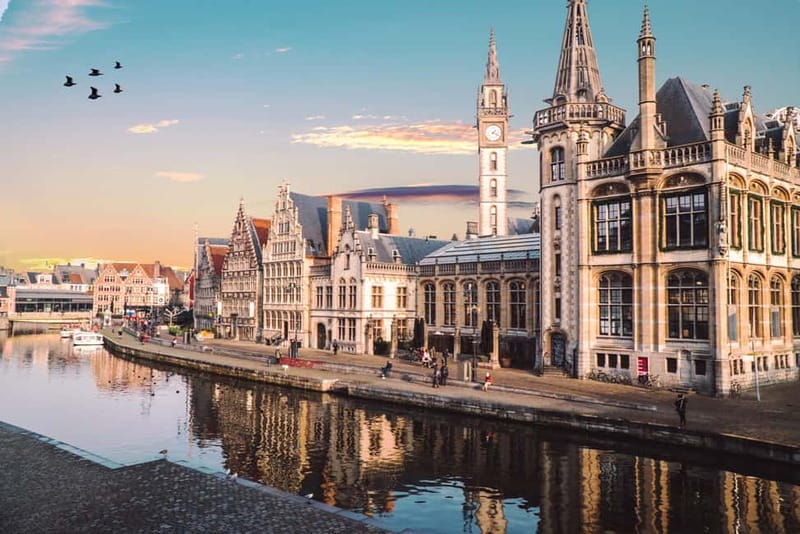
The tour includes the Graslei quay-side buildings, plus stops linked to nearby churches and guild halls. This is the part of Ghent where the city looks its best, especially when the light hits the water.
The tour also visits:
- St. Nicholas’ Church
- the Masons’ Guild Hall
These stops matter because they show you that Ghent’s medieval “style” isn’t just one thing. It’s different institutions—religion, labor, craft groups, and civic authority—each leaving a signature in stone and layout.
If you plan to spend your free time walking (you should), these guided stops are your roadmap. You’ll know where the impressive façades are, and more importantly, you’ll understand why people built them there.
Gravensteen Castle and Patershol: the medieval feel you’ll want more of
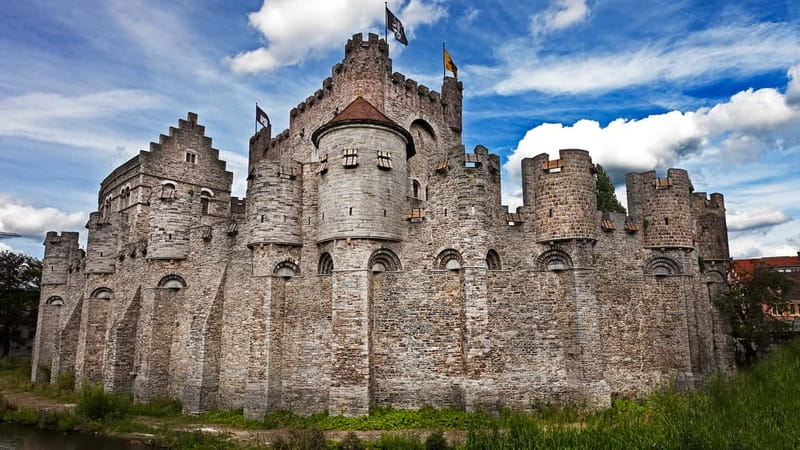
Gravensteen Castle is one of Ghent’s most memorable medieval structures. You’ll visit the medieval castle during the tour and get a sense of how the city defended itself while also organizing its power.
After that, you get Patershol, the pretty neighborhood that tends to delight people who like narrow streets, small squares, and the kind of buildings you can’t recreate elsewhere. Patershol is a smart inclusion because it gives you atmosphere, not only monuments.
This pairing—fortress first, then neighborhood—also helps your brain. Castles can feel abstract after a while. Patershol puts you back into street level, where you can imagine daily life.
If the day is rainy, Patershol can still work because the streets are sheltered by building density and you can duck into cafés quickly. Just keep your footing in mind; older Belgian streets don’t always forgive sloppy shoes.
Great Butchers’ Hall, Old Fish Market, and Friday Market
Ghent’s medieval identity isn’t only about cathedrals and castles. This tour also points you toward the city’s trading history through places like:
- Great Butchers’ Hall
- Old Fish Market
- Friday Market
These stops help you see Ghent as a trading powerhouse. Markets were where money, politics, and community met. Even if you don’t buy anything, you’ll understand why locals cared so much about these spaces.
This is especially valuable if you’re comparing Ghent to other nearby cities. It’s easy to think of Belgium as mostly museums and churches. These market and guild stops remind you that people worked, bargained, and built wealth right where you’re standing.
The 4 hours of free time: lunch + a self-made route
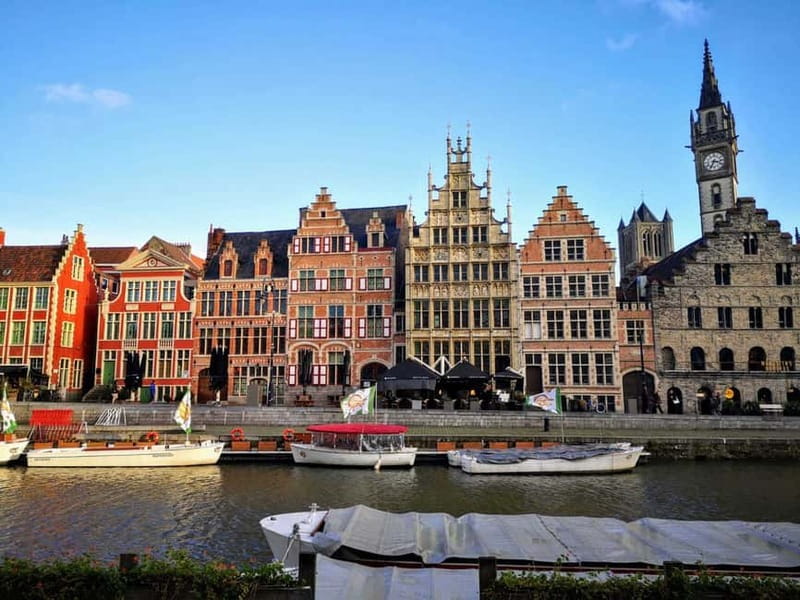
After the guided portion, you get about 4 hours to explore at your own pace. This is where you make the trip feel like yours.
Since lunch and drinks aren’t included, plan to use this block for:
- lunch in one of the riverside or Old Town areas
- a slow wander through Patershol
- revisiting any guided stop that you want to look at longer
A practical strategy: pick one “must linger” area and one “quick check” area. That keeps you from spending the whole free time just trying to decide where to go.
Also, if you enjoy low-effort sightseeing, consider adding a short river cruise during your free time. A short cruise is a common recommendation because it gives you a different angle on the quays without requiring major planning.
What the $49 price really buys you (and what it doesn’t)
At around $49 per person, the value is in the combination:
- bus transfer from Brussels
- an English-speaking guide for Ghent’s core sights
- enough time afterward to explore without stress
What’s not included is just as important. Lunch and drinks are on you. And the tour isn’t a slow, museum-heavy day. It’s a guided highlights route, then roaming.
For some people, that’s perfect. If you only have one day in the Ghent area and you want the main sights plus a fair amount of autonomy, this format is a good match. If you’d rather spend most of your day in one neighborhood with no structure, you might find the schedule a bit too “tick-box.”
Group size, pacing, and how to handle the bus ride reality
The day works best when you accept the coach-style rhythm: meet, ride, quick stop, guided loop, then free time. Reviews show that group dynamics can vary. Sometimes the English group may be joined with other language groups for parts of the day, while you still have your English guide for Ghent.
Also, one real-world consideration: your bus might not have a toilet on board. That’s not a dealbreaker, but it’s the kind of detail that changes how comfortable you feel on a longer coach day.
Finally, this is not a good fit for people with mobility impairments. The tour is described as not suitable, and medieval streets and sites tend to involve uneven ground and stair access.
Who should book this Ghent and Atomium day trip?
This is a strong choice if you:
- want a Ghent first-timer day with context and structure
- like medieval cities but don’t want to spend your whole day mapping transit
- prefer an English guide and appreciate local legends and art references
- enjoy mixing “big monuments” with a neighborhood like Patershol
It’s less ideal if you:
- need step-free access and smooth walking surfaces
- dislike coach days with fixed time blocks
- want a slow deep museum day (this tour is more “highlights + freedom” than all-day indoor exploring)
Should you book?
I’d book this day trip if your goal is a confident, English-led introduction to Ghent plus real time to wander. The best part is the balance: a guided morning that gives you meaning, then a free afternoon where you can chase the details that catch your eye.
If you’re sensitive to walking time or you need step-free access, skip it. And if the bus comfort details matter to you (like toilets on board), plan around that before you get on.
In the end, for the price, you’re buying a fast education in Ghent’s big landmarks—then the chance to enjoy the city at your own pace.
FAQ
How long is the Brussels to Ghent day trip?
The total duration is 9 hours.
Is the tour in English?
Yes. The tour has an English-speaking guide, and the guided tour in Ghent is also in English.
How much free time do I get in Ghent?
You get 4 hours of free time in Ghent for lunch and exploring on your own.
What major sights are included in Ghent?
The tour includes stops such as St. Bavo’s Cathedral (with the Mystic Lamb story), the Belfry and Town Hall area, St. Nicholas’ Church, the Masons’ Guild Hall, the Graslei quay-side buildings, Gravensteen castle, Patershol, Great Butchers’ Hall, Old Fish Market, and Friday Market.
Where do I meet in Brussels?
Meet in front of the Hilton Grand Place Hotel at Brussels Central Station. The guide will have ID of Buendia Tours.
Is lunch included in the price?
No. Lunch and drinks are not included.
Is this day trip suitable for people with mobility impairments?
No. It’s listed as not suitable for people with mobility impairments.