REVIEW · DINANT
Bioul (near Dinant) : Château de Bioul Tour and Wine Tasting
Book on GetYourGuide →Operated by Château de Bioul · Bookable on GetYourGuide
A château and wine tasting in one tidy visit. The Château de Bioul near Dinant mixes heritage buildings, a tree-lined park, and a working estate feel, so you get history you can walk through and wine you can actually taste. It’s a one-day experience in Wallonia that’s built around a discovery tour of the property and then a tasting of local products.
I especially like how the visit connects people, place, and production. The story goes back to the 10th century, and you also learn about the estate’s more recent family preservation since 1906. Second, the wine side is practical: you walk through the vineyards and winery area and follow the journey from grape to glass before you taste.
One consideration: you’ll do a decent amount of walking on estate grounds and inside the château, so it’s not a fit for people with mobility impairments or wheelchair users. Comfortable shoes really matter here.
In This Review
- Key highlights you’ll care about
- First impressions at Château de Bioul (near Dinant)
- The château visit: architecture across eras, with story behind it
- The family story and the motto: why the estate feels personal
- Park time in a centenary setting: a breather between rooms and vines
- Vineyards and winery access: where the tour becomes practical
- The wine tasting: what you’re actually paying for
- Who this experience suits best (and who should skip it)
- Practical tips so your day goes smoothly
- How to fit it into a Wallonia day trip
- Should you book Château de Bioul and its wine tasting?
- FAQ
- What does the Château de Bioul tour include?
- How much is the Château de Bioul experience?
- How long does the tour last?
- What languages are available?
- Is wine tasting included, or do I pay extra?
- Are meals included?
- Can I take photos?
- Is the experience suitable for wheelchair users or mobility impairments?
- What should I bring for the visit?
Key highlights you’ll care about
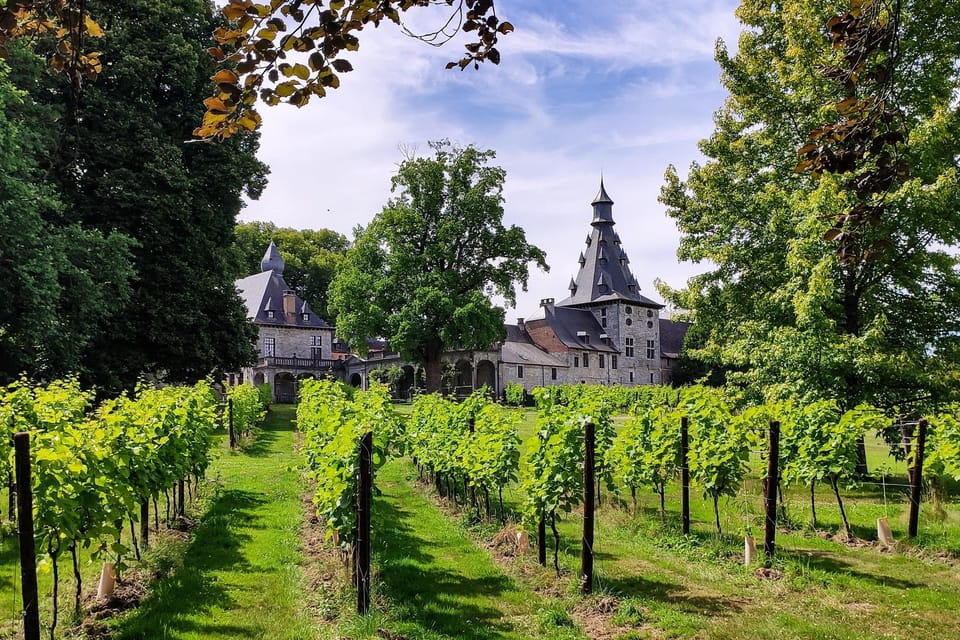
- Old-seigneurie roots: A landmark presence since the 10th century, with named figures recorded as far back as 1210
- Architecture you can spot: Different periods show up in statues, decorative elements, and smaller hidden corners
- A discovery tour on-site: You get estate access to the vineyards and winery, not just a quick look
- Food-and-wine angle: The tasting focuses on local wines and products in the heart of the château grounds
- More than wine: You’ll also learn about the history of Le Bon Marché and its link to the GB-INNO-BM group
First impressions at Château de Bioul (near Dinant)
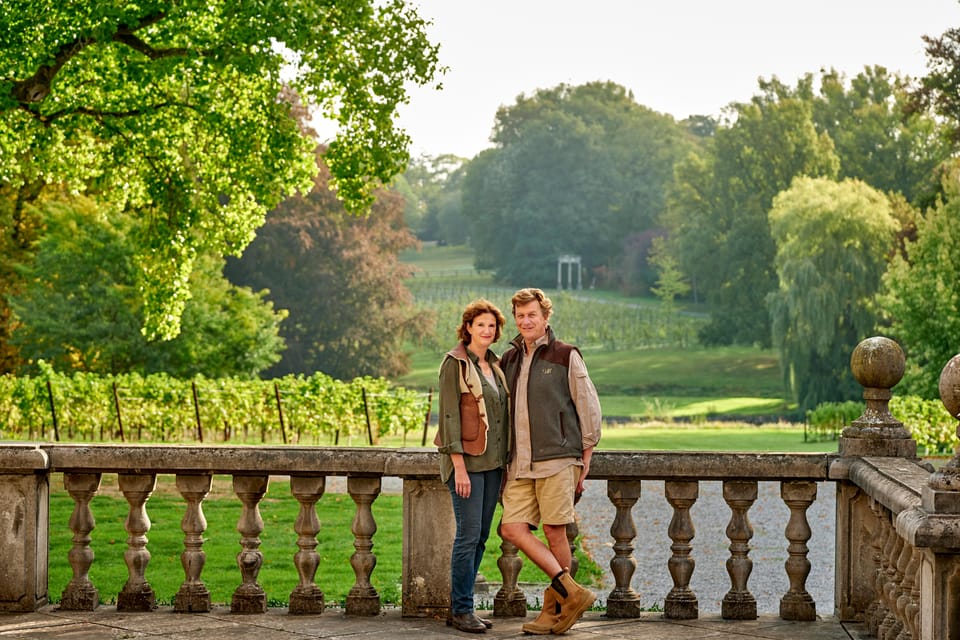
This is the kind of stop that works even if you only have a few hours in the Dinant area. The château sits in a heritage setting, with a tree-lined park that makes the whole day feel calmer than most attraction-hopping itineraries.
From the start, the experience leans on guided interpretation plus self-paced support. You get an audio guide in French and English, and you’ll have access to the key areas that matter: the château visit, the centenary park, and the estate’s winegrowing facilities.
The pacing is also friendly for a 1-day format. The visit is built to keep you moving—walking through the château, getting estate context, then ending with something concrete: a wine tasting tied to what you’ve just seen.
The château visit: architecture across eras, with story behind it
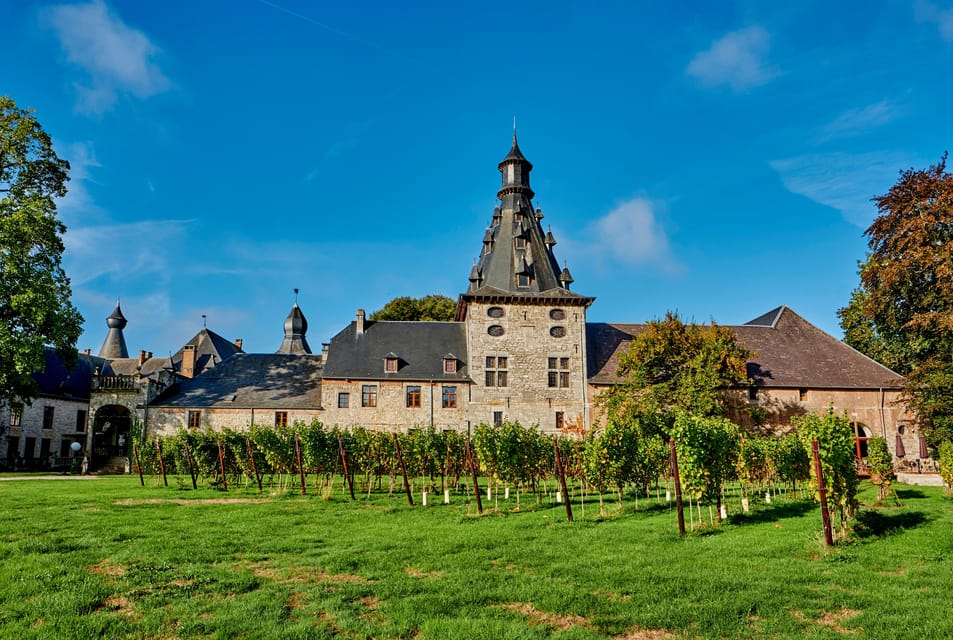
The Château de Bioul isn’t one uniform look. It’s a mix of epochs, which is exactly what you want when you’re trying to understand how old estates evolve instead of freezing them in time.
Inside, expect statues, period decorative elements, and those small “how did they hide that?” corners that make you look up and around. Even if you’re not an obsessive architecture person, you’ll find yourself picking out differences in style and materials as you go. It’s visual learning, and it doesn’t require special knowledge.
The context is just as useful. The Seigneurie de Bioul has been a landmark since the 10th century, and Gobertd’Orbais—also known as Gobert de Bioul—appears in writing from 1210 as a prominent knight and lord. That’s a big stretch of time to cover, and the way it’s presented makes the château feel less like a museum object and more like a place that actually held responsibilities, power, and family life.
And then there’s the modern thread: since 1906, the château has been carefully preserved by the same family. That continuity matters. When the care behind a site is long-term, you tend to feel it in how the rooms and collection are treated.
The family story and the motto: why the estate feels personal
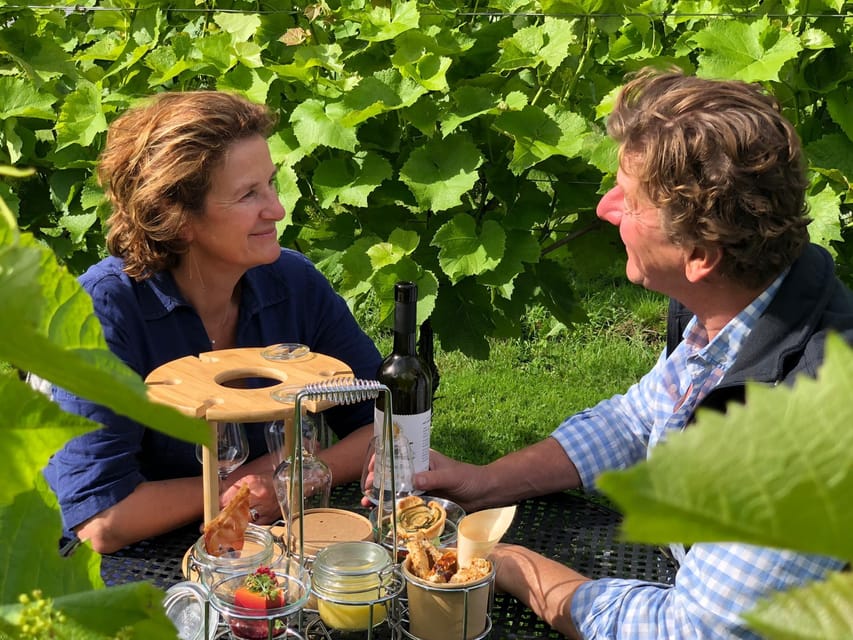
What I found memorable is that this isn’t framed as a cold, institutional history. The visit points to family heritage as the reason the château still feels lived-in rather than staged.
Today the owners are Andy and Vanessa Wyckmans-Vaxelaire, and the experience highlights how they see themselves as heirs to the family’s project and values. It’s tied to concepts like love, solidarity, and respect, and there’s even a motto: In Arduis Constans (Perseverance in Difficulty). You don’t need to agree with every family narrative detail to recognize the point: this place has kept going through hardship, and that persistence shapes what you see now.
There’s also a secondary thread that I didn’t expect to matter as much as it does here: the history of Le Bon Marché, which became the GB-INNO-BM group. Even if you’re traveling for wine, learning how commercial history connects to a family or region can add a layer of meaning to the château visit. It helps explain why estates aren’t just about farming and stone—they’re also about networks, reputation, and survival.
Park time in a centenary setting: a breather between rooms and vines
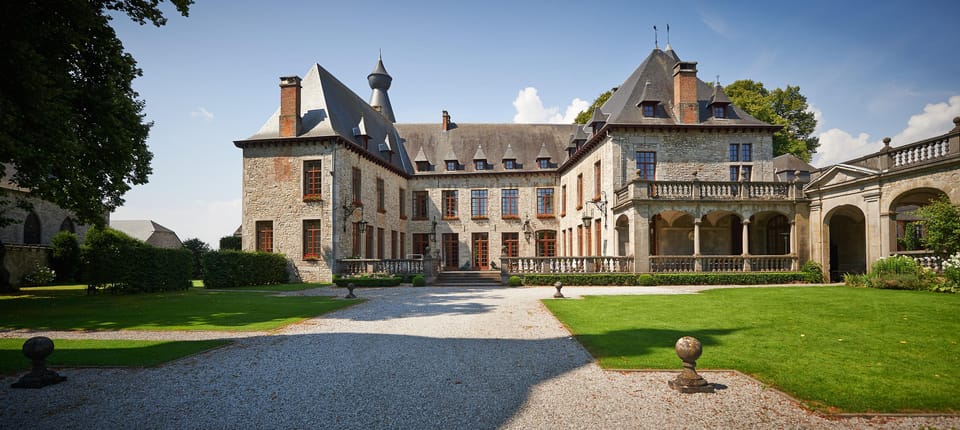
The included centenary park access gives you a pause that many château visits skip. It’s not just scenic filler. Walking outside after you’ve been inside helps your brain reset, and you start noticing textures: tree lines, paths, sightlines back toward the château, and that “this is a working estate too” feeling.
If you like photos, this is where you can get the best angles because you’re not fighting interior lighting or strict rules. Photography is allowed, but no flash inside the château.
If weather is a variable in your plans (it always is in Belgium), the park can still be workable as long as you dress for walking. Bring layers you can adjust, especially since you’re on your feet for the day.
Vineyards and winery access: where the tour becomes practical
This is the core reason to pick this experience over a purely decorative château visit. You get access to the vineyards and winery areas, and the tour format focuses on the estate’s wine production.
You’ll learn about the journey of vintages from grape to glass. That phrasing matters because it signals you’re not just tasting randomly. The tour tries to connect what happens in the vineyard and production stages to what ends up in your glass.
Also, the fact that you can walk through winegrowing facilities changes the mood. Even if you don’t know much about viticulture, seeing the setup helps your tasting make sense. You can compare what you learn about processes with what you sense in the glass—aroma, balance, and style—without turning it into a technical lecture.
One good note: the visit includes a discovery tour of the estate. That’s helpful because it keeps you oriented while you move between château rooms, park areas, and wine sites. On a property this size, orientation can be the difference between a fun day and a confusing one.
The wine tasting: what you’re actually paying for
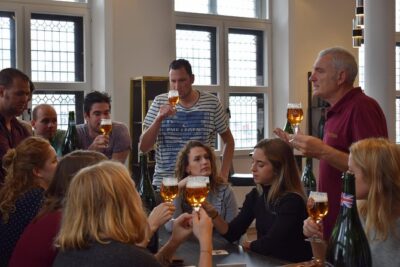
The wine tasting happens at the end, and that’s smart. You’re more likely to understand what you’re tasting when you just learned how it gets there.
The tasting includes local wines and products. That’s important for value. You’re not only paying for the right to drink wine; you’re also paying for context, selection, and a chance to try regional products that suit the estate.
Let’s talk money for a minute. At $35 per person for about a 1-day visit, the price becomes reasonable because you’re getting more than one component:
- château and heritage access
- estate discovery tour
- vineyards and winery access
- wine tasting
- park access
Most separate-charged château tours don’t include the wine production part, and most wine tastings don’t include a meaningful heritage visit. Here, the pricing is doing the job of bundling.
Is it the cheapest option in the Dinant area? Maybe not. But it’s also not a half-hearted tasting where you sample and leave. The estate format makes the tasting feel like a finish to a story you’ve just walked through.
Who this experience suits best (and who should skip it)
This works best if you want a single, structured outing rather than a day of transit and random stops. If you like:
- heritage sites where the story spans centuries
- short tours with practical learning
- wine tasting tied to the estate experience
…then you’ll likely enjoy it.
It’s also a good choice for couples and small groups who want something calm and scenic. The park access and château atmosphere make it less rushed than many city-based tastings.
Skip it if:
- walking is hard for you (it’s not suitable for wheelchair users, and mobility impairments aren’t accommodated)
- you’re hoping for a purely modern winery experience with lots of lab-style details (the experience is still very much château-and-estate focused)
Practical tips so your day goes smoothly
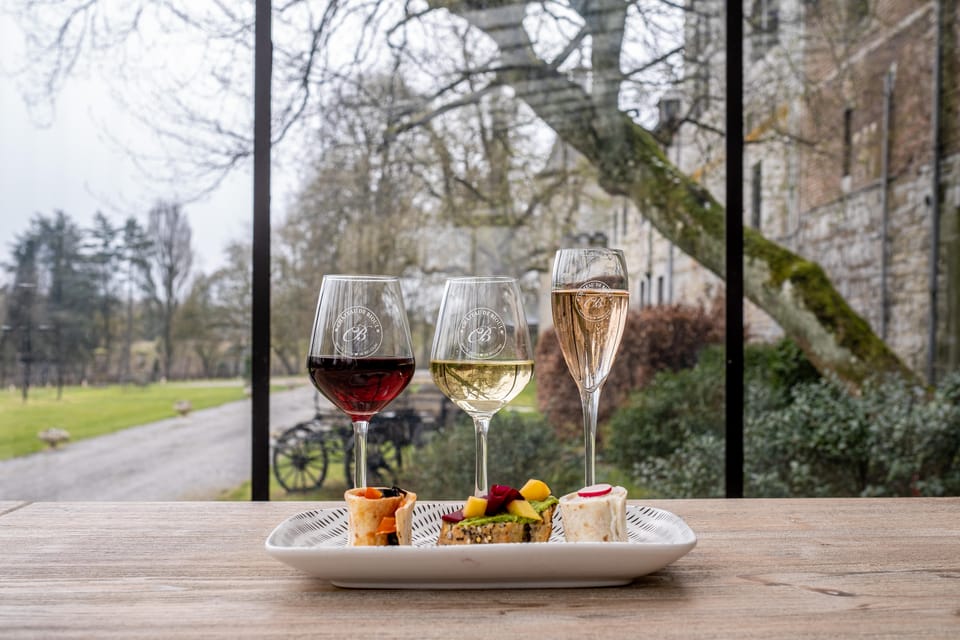
A few things will make this easier:
- Wear comfortable walking shoes. You’ll be on your feet across the château and estate grounds.
- Bring a camera, and remember there’s no flash inside the château.
- Check the weather. Belgium can flip conditions fast, and you’ll be outdoors in the park and on estate paths.
- Don’t plan for meals. It’s not included, so decide in advance where you’ll eat before or after.
Also note what’s not allowed: no smoking. It’s a standard rule, but it matters on estate grounds.
Language-wise, you’re covered. The host or greeter is French and English, and the audio guide is also available in French and English, which helps if the group moves quickly.
How to fit it into a Wallonia day trip
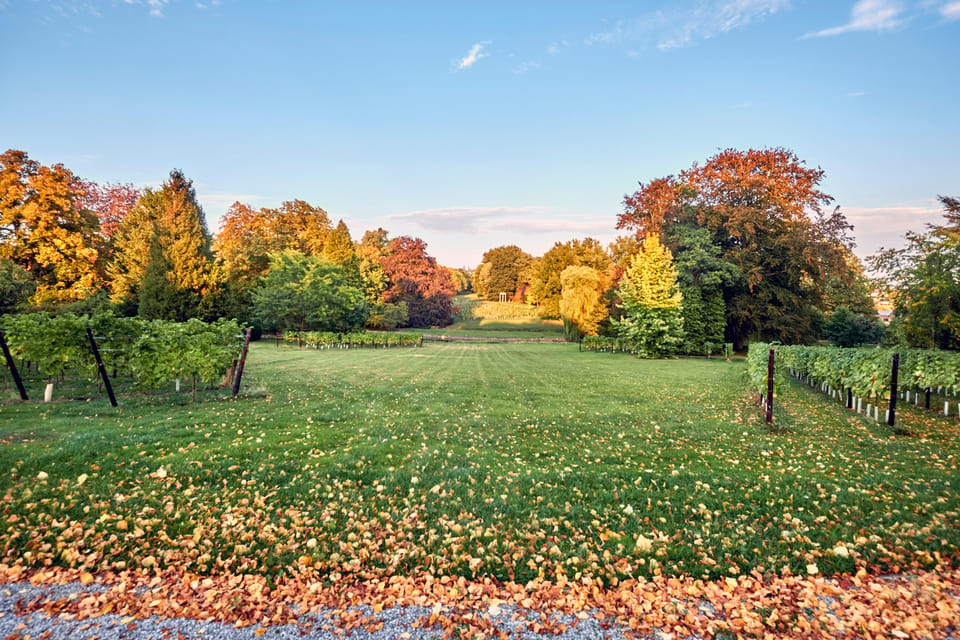
Because it’s a 1-day visit with starting times, it’s easier to build into a trip around Dinant and nearby villages. You can think of it as a “one strong anchor” day: heritage in the morning or early afternoon, estate walk and wine learning mid-visit, tasting at the end.
If you’re coming from somewhere else in Belgium or planning other stops, just be realistic about transit. Transport to and from the château isn’t included, so the easiest plan is to drive, take a taxi, or connect via local transport you arrange separately.
Should you book Château de Bioul and its wine tasting?
If you’re choosing between a château visit and a wine tasting, I’d book this. It’s one of the more logical pairings in the region: heritage rooms explain the family roots, and the vineyards and winery access explain what the estate does now. The tasting at the end ties it all together.
Book it if you want a calm, walkable day that mixes architecture, family preservation since 1906, and a production-focused wine experience. Even with just a single day, you’ll leave with a clearer sense of how a long-running estate becomes a modern wine producer.
Don’t book it if you can’t handle walking on uneven estate areas or if you need meals and full mobility support built into the experience. In that case, you’ll probably feel stressed instead of relaxed.
FAQ
What does the Château de Bioul tour include?
You get a discovery tour of the estate, a wine tasting session, access to the vineyards and winery, and access to the centenary park.
How much is the Château de Bioul experience?
It’s listed at $35 per person.
How long does the tour last?
It’s a 1-day activity.
What languages are available?
The host or greeter and the audio guide are available in French and English.
Is wine tasting included, or do I pay extra?
Wine tasting is included as part of the experience.
Are meals included?
No, meals are not included.
Can I take photos?
Photography is allowed, but no flash inside the château.
Is the experience suitable for wheelchair users or mobility impairments?
No. It is not suitable for people with mobility impairments and wheelchair users.
What should I bring for the visit?
Bring comfortable walking shoes and a camera. Also check weather conditions before you go.