REVIEW · YPRES
From Brussels: Flanders Fields Remembrance Full-Day Trip
Book on GetYourGuide →Operated by BRUSSELS CITY TOURS · Bookable on GetYourGuide
Flanders has a way of staying with you. This full-day WWI route takes you to the places you’ve seen in history books, then adds the human stories behind them. You’ll spend the day at battlefield sites and major memorials, including the Menin Gate Last Post Ceremony.
I like two things most: you get a structured route with In Flanders Fields Museum as a centerpiece, and the itinerary saves the most moving moment for night, with the daily tribute at Menin Gate.
One consideration: this is a 13-hour day, and time in Ypres can feel tight—especially if you want more than a quick pass through the museum.
In This Review
- Key highlights worth marking on your map
- A 13-hour WWI pilgrimage from Brussels
- Getting there: how the coach time sets up the day
- Passchendaele: where the day’s “battlefield” part becomes real
- Essex Farm and the Brooding Soldier: sacrifice you can’t shake off
- Ypres and the museum: a 1-hour window you should plan around
- Tyne Cot Cemetery: the largest Commonwealth resting place
- Essex Farm Cemetery and Dr. John McCrae’s connection
- Menin Gate at 8 p.m.: the Last Post Ceremony
- Price and logistics: is $107 good value for what you get?
- Who this tour fits best (and who should skip it)
- Should you book this Brussels to Flanders WWI day trip?
- FAQ
- How long is the Brussels to Flanders Fields full-day trip?
- Where do I meet the tour in Brussels?
- What time is the Last Post Ceremony at Menin Gate?
- What’s included in the price?
- What’s not included?
- Is this tour suitable for wheelchair users?
- What should I bring?
Key highlights worth marking on your map
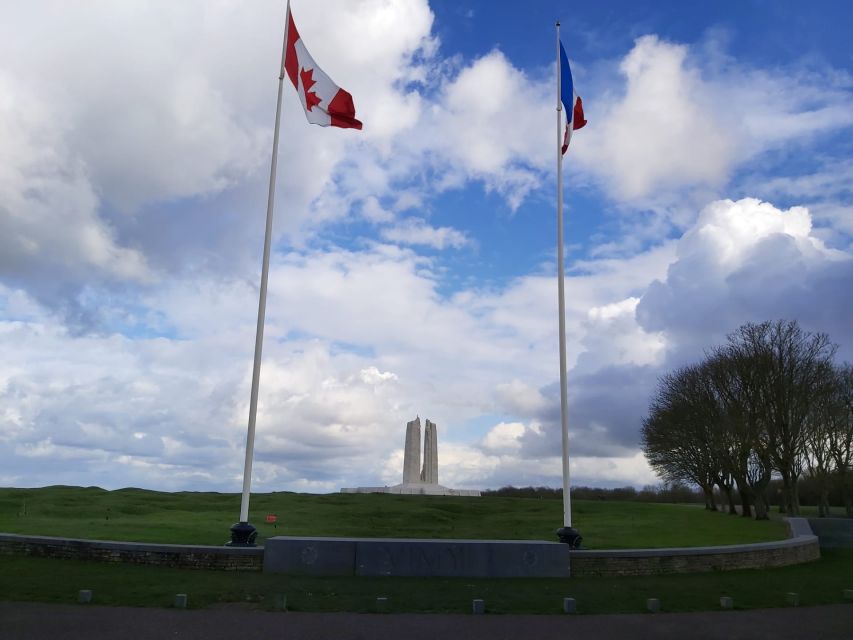
- Passchendaele battlefield with guided context for how the fighting unfolded
- Tyne Cot Cemetery, the largest Commonwealth cemetery in the world
- Brooding Soldier monument, marking 2,000 Canadian soldiers lost in the first German gas attack
- Essex Farm Cemetery, tied to Dr. John McCrae and the poem In Flanders Fields
- Menin Gate at 8 p.m. for the Last Post Ceremony, a daily tribute to the missing
A 13-hour WWI pilgrimage from Brussels
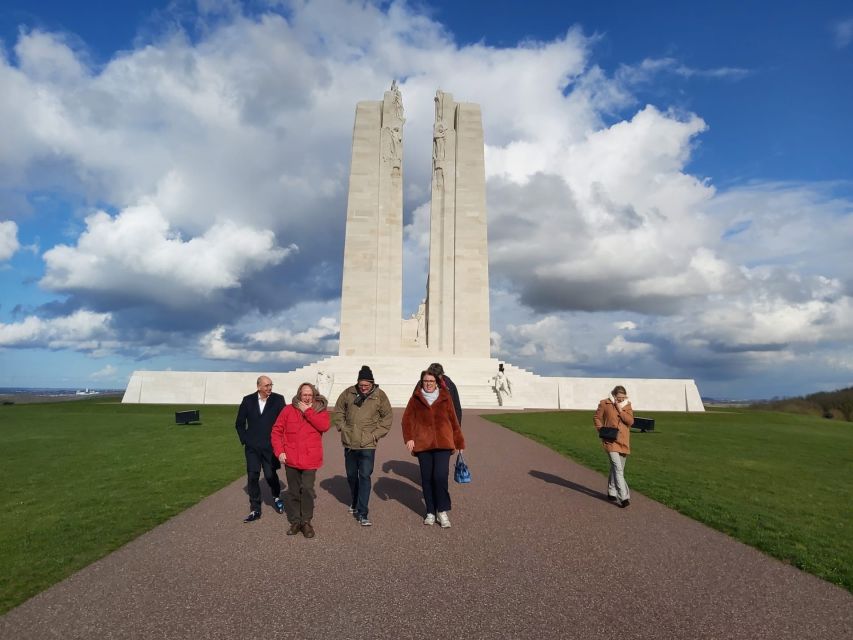
This is not a quick hit. It’s a long coach day designed for people who want the WWI story in the right order: how it started, how it turned into trench warfare, and what it left behind. Expect lots of memorials and graveyards. You’re there to remember, not to shop.
If you want the day to feel purposeful, the format helps. The guide sets the stage on the road, then you move from site to site: trenches and battlefield ground at Passchendaele, major cemeteries, and then the emotional anchor of the Last Post at Menin Gate at 8 p.m.
The other big reason I’d recommend it: it’s built around multiple “types” of sites. You get battlefield and trench references, museum explanation, individual memorial meaning, and then a ceremony that ties all those threads together.
You can also read our reviews of more tours and experiences in Ypres

Getting there: how the coach time sets up the day
You start in Brussels, meeting at the National Bank of Belgium area for the Keolis coach. Once you leave, you’re in transfer time right away—about 2 hours on the way to the Flanders region. That road time matters on this tour because the guide uses it to recount the events leading into WWI and the way the conflict developed.
One pattern I like from past groups is how guides often get specific early—using maps and clear background—so that when you arrive at the first memorial stop, you’re not just looking at names and stone. You’re understanding what you’re seeing.
Also, this day runs late. If you’re prone to getting tired and cranky on long trips, plan for it. You’ll be on the coach, in the cold or rain if weather turns, and walking through multiple outdoor stops.
Passchendaele: where the day’s “battlefield” part becomes real
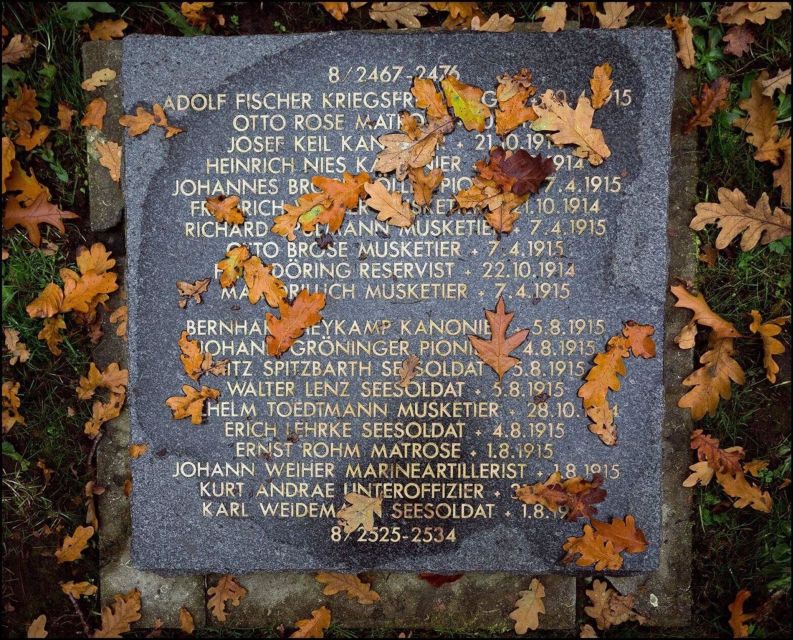
Passchendaele is the headline battlefield stop, and it’s more than a photo opportunity. The tour positions it after a drive through WWI context—there’s a stop at a German cemetery, then a move toward a section of WW1 trenches before you get to the battlefield focus.
What makes this stop worth your attention is that it’s framed for understanding: what kind of warfare it was, how it affected soldiers, and why this area became such a symbol of WWI’s suffering. The goal isn’t to give you a battlefield lecture. It’s to help you connect what you see later—cemeteries, memorial names, and artifacts—with why these places became so tragic.
Practical tip: on days like this, your mental “note-taking” matters. Bring a small notebook or just use your phone notes so the guide’s details don’t blur together by late afternoon.
Essex Farm and the Brooding Soldier: sacrifice you can’t shake off
After the battlefield sequence, the tour moves toward some of the most emotionally direct memorial points. You’ll stop at the Brooding Soldier, a monument that commemorates the sacrifice of 2,000 Canadian soldiers during the first German gas attack. This isn’t just a statue stop; it’s a marker of a specific event and the cost behind it.
From there, the day connects the memorial meaning to the engineering side of WWI. The itinerary mentions Hill 60, dug by tunnelling companies of the Royal Engineers before falling into German hands. Even if you don’t know trench warfare history ahead of time, this kind of detail helps. It turns the war from a general label into something that involved specific actions, technologies, and tactics.
The stops also include a moving German cemetery before you reach the trenches section. That’s important for balance. The WWI story here isn’t only framed through one national lens—it acknowledges the full scale of loss on all sides.
Ypres and the museum: a 1-hour window you should plan around
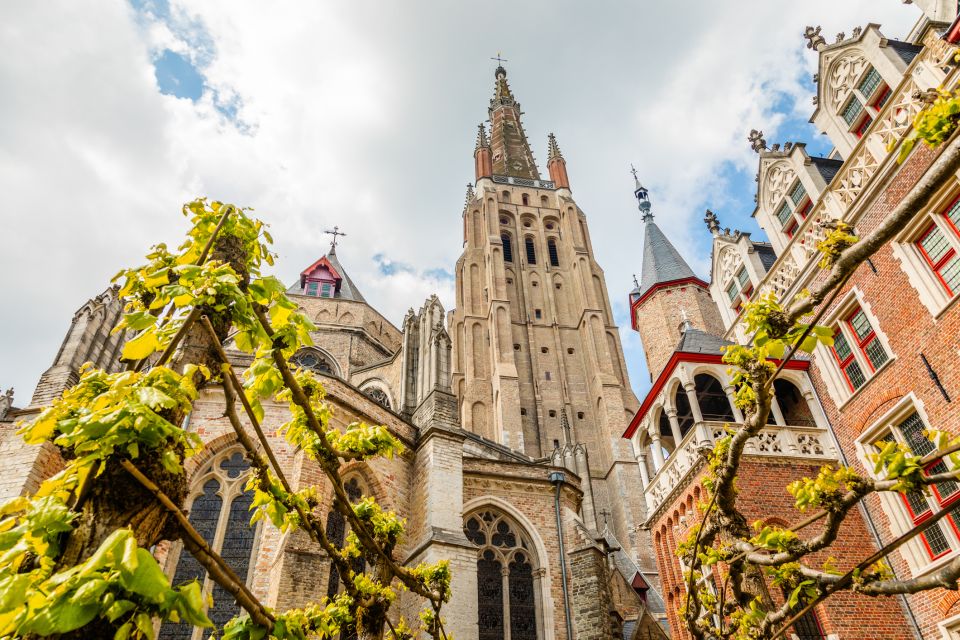
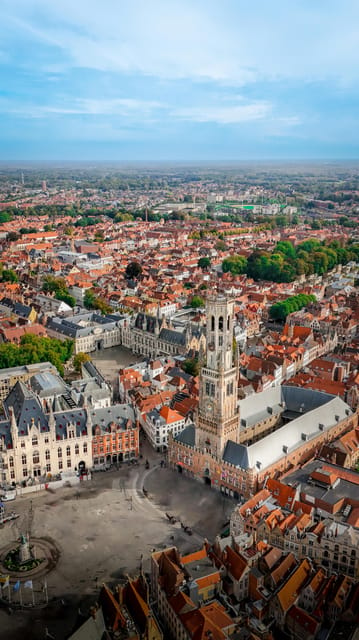
You reach Ypres for a visit of about 1 hour. During that window you’ll enter the In Flanders Fields Museum, which focuses on trench warfare across four years. The museum part is the backbone of the day’s narrative: it aims to turn the battlefield sights into something you can interpret.
Here’s the one caution I’d give you: the time in Ypres can feel short if you like to read slowly and take in everything at your own pace. The museum is the kind of place where you’ll see different story sections, personal accounts, and WWI objects. If you only have an hour, you need a plan—pick the sections that match what you care about most (trench life, key battles, or how the memorials connect).
From the guide side, past groups highlight how well some leaders explain the war and how they keep the day on time. Names that have come up in this context include Diedrich, Stefan, and Steffen—all praised for making the day feel more than “bus-and-barf of facts.”
You can also read our reviews of more tours and experiences in Ypres

Tyne Cot Cemetery: the largest Commonwealth resting place
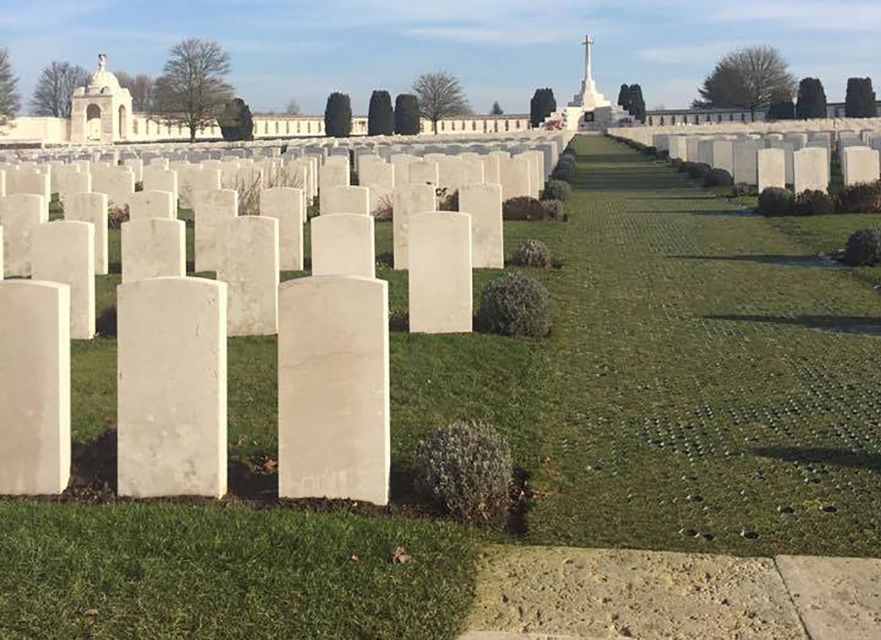
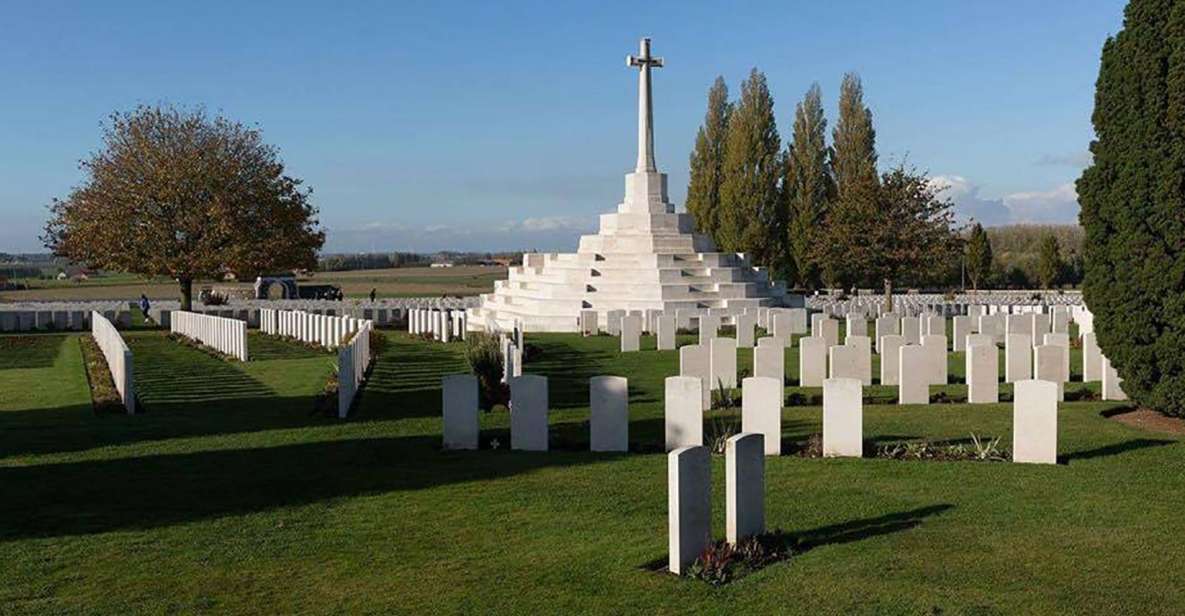
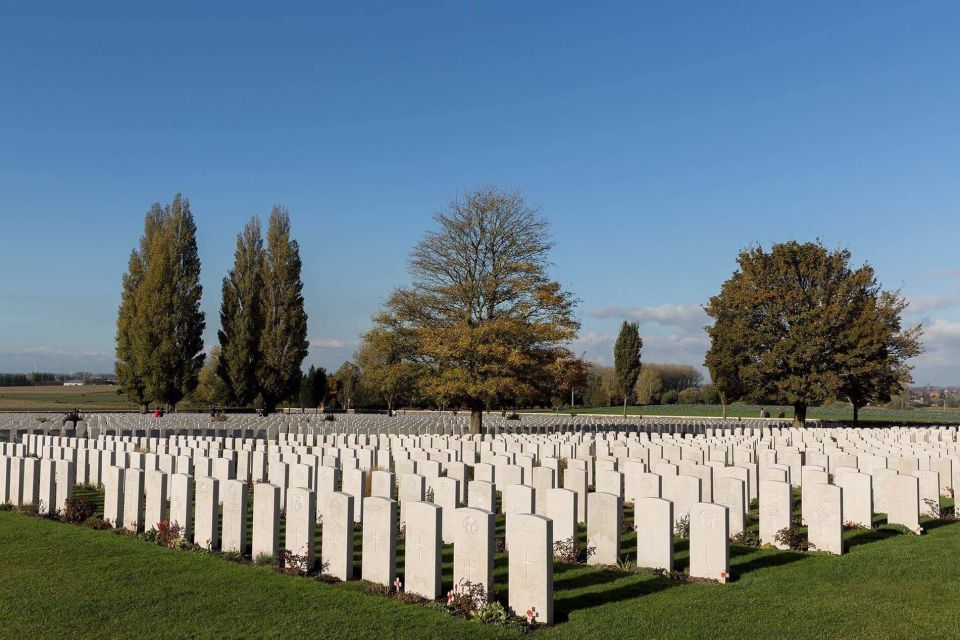
Next up is Tyne Cot Cemetery, described as the largest Commonwealth cemetery in the world. This is one of those places where the scale hits you first—rows of names, uniform headstones, and the reality that so many were lost far from home.
What I like about how this tour handles Tyne Cot is the pacing. It places the cemetery after the museum and memorial stops. By then, you’ve heard enough context that you aren’t just reading names—you’re understanding what they represent. That can change how you experience a cemetery. Instead of “this is sad,” it becomes “this is part of a larger story I now recognize.”
If you tend to get overwhelmed in cemeteries, you’ll still be able to take breaks in your own way. The tour’s structure gives you moments of quiet and reflection, including time to commemorate at the memorial points like the Brooding Soldier.
Essex Farm Cemetery and Dr. John McCrae’s connection
The itinerary also includes Essex Farm Cemetery, described as a field hospital location tied to Canadian field surgeon Dr. John McCrae. This is where he wrote the poem In Flanders Fields.
This stop is valuable because it bridges the war’s facts and the war’s culture—how people processed grief and loss when they were living inside the catastrophe. Poetry can be a shortcut to empathy, and this one has become a lasting emblem. Seeing the place it connects to helps the words land with weight.
The tour schedule also includes time for lunch in Ypres earlier and then a quick snack before heading toward Menin Gate. That matters because the Last Post Ceremony is at 8 p.m., and you’ll want your energy for the evening.
Menin Gate at 8 p.m.: the Last Post Ceremony
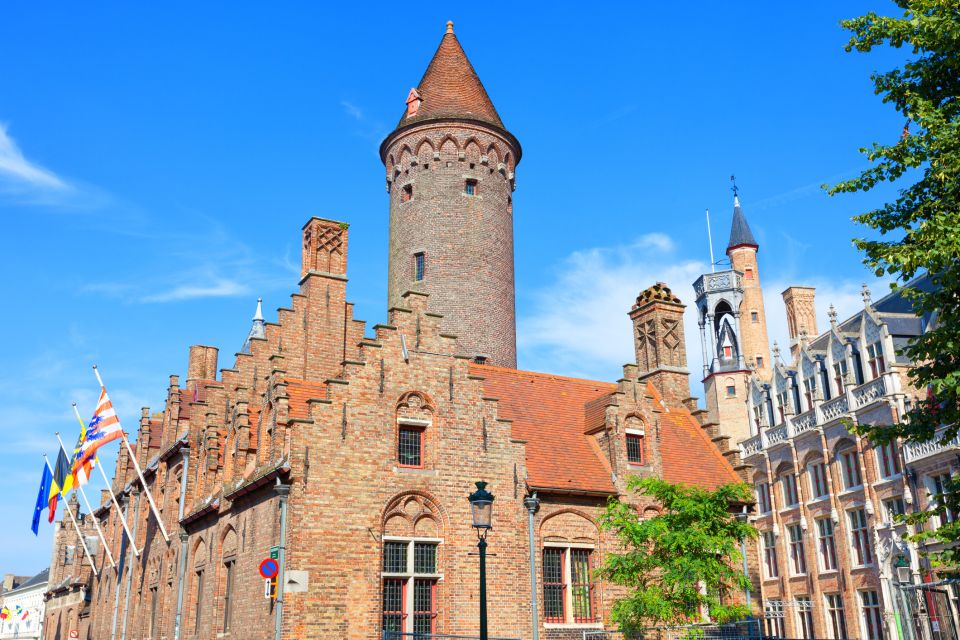
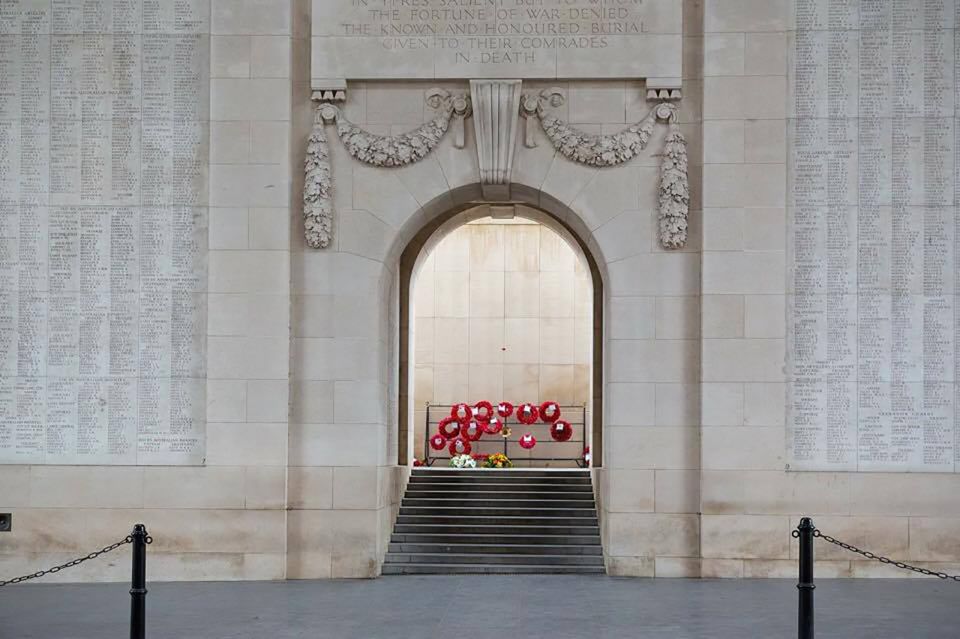
The night finish is the big event: you’ll attend the 8 p.m. Last Post Ceremony at Menin Gate. The ceremony is described as a daily tribute to Commonwealth soldiers and officers who are missing after battle.
This is the part where the entire day’s structure pays off. You start with the war’s unfolding, you see battlefield and trenches, you visit major cemeteries, and you enter the museum with the historical thread in your head. Then Menin Gate puts all of that into a moment of public remembrance.
I’ll be honest: this kind of ceremony can feel like a pause button on emotions. You might go into it expecting a formal event and instead get something much more human—quiet, focused, and heavy.
Price and logistics: is $107 good value for what you get?
At $107 per person, you’re paying for a full-day guided format: a professional guide, roundtrip by coach, and museum entrance. You’re also paying for the fact that this is built around a fixed-time event at Menin Gate—something you can’t easily replicate solo without planning.
The main value question is time. It’s a 13-hour day, and the itinerary is packed. That can be great if you want momentum and clear structure. It can be less fun if you prefer slower travel or long museum wandering.
There are also some real-world time drains you should know about. One theme that has shown up for some groups is additional pickup/drop-off stops on the way—such as time spent in Bruges to pick up more passengers. That doesn’t change the core sites, but it can add coach time. If you’re booking this, go in expecting a long day even without traffic.
Who this tour fits best (and who should skip it)
This tour fits best if you’re one of these people:
- You care about WWI history and want more than “surface-level” stops
- You like guided context that ties battlefield sites to memorial meaning
- You want a single-day route that includes museum time and a ceremony
It’s not a great fit if you need mobility-friendly logistics. The tour states it’s not recommended for people with limited mobility, and it’s not suitable for wheelchair users. You’ll be on a coach for long stretches and visiting multiple sites.
If your interest is strictly casual—like you just want to see one memorial and take a few photos—this might feel too serious and too long.
Should you book this Brussels to Flanders WWI day trip?
Book it if you want a guided route that hits the major WWI landmarks in a focused order, and especially if the Menin Gate Last Post is on your list. The combination of Passchendaele, Tyne Cot, the museum, the McCrae connection, and the evening ceremony is hard to replicate with the same level of structure.
Skip or rethink it if you’re sensitive to long days, short museum time, or added coach delays. Also, if mobility is an issue, don’t try to force it—this one is clearly not built for wheelchair access.
FAQ
How long is the Brussels to Flanders Fields full-day trip?
It runs for about 13 hours.
Where do I meet the tour in Brussels?
Meet at the National Bank of Belgium area. Look for staff and the Keolis coach outside the National Bank of Belgium on Bd de Berlaimont 18.
What time is the Last Post Ceremony at Menin Gate?
The tour includes the 8 p.m. Last Post Ceremony at Menin Gate.
What’s included in the price?
A professional guide, roundtrip coach transport, and entrance to the In Flanders Fields Museum are included.
What’s not included?
Hotel pickup and drop-off are not included.
Is this tour suitable for wheelchair users?
No. The tour is not suitable for wheelchair users, and it’s also not recommended for people with limited mobility.
What should I bring?
Bring comfortable shoes.