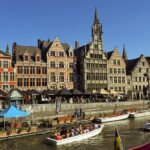
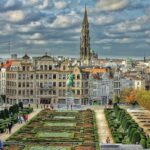
Two hours, and Brussels clicks fast. I like how the route is designed to feel comfortable (no climbing up, no stairs), while still packing in the main sights. I also love the extras: guides share practical life-hacks for the rest of your stay, including where to eat Belgian waffles and what souvenirs are worth your money. One drawback to consider: it’s still two hours outdoors, so cold or rain can make the walk feel longer.
If you’ve never been to Brussels, this kind of overview helps you start making sense of the city right away. Guides like Evgenia, Paulina, Nver, Yuvi, and Polina stand out for weaving history with everyday life, plus giving you pointers for what to do next. If you’re short on time, this is a strong match; if you’re trying to avoid lots of walking, rethink the plan.
In This Review
- Key highlights I think you’ll actually care about
- Entering the route: Royal Palace to Grand Place (and why it matters)
- The walk you feel: parks, walls, and the city’s hidden layers
- Park of Brussels stops: what to watch for while you’re there
- Notre-Dame des Victoires au Sablon and the legend of Holy Maria
- Manneken Pis, antiques, and the Museum Quarter: from famous to street-level
- Grand Place: arriving with context changes everything
- The guides: the difference between facts and understanding
- Price and value: is $60 for two hours worth it?
- Who this tour fits best (and who should choose differently)
- Practical tips before you go: shoes, umbrella, water, and pace
- Should you book this Brussels Highlights and Hidden Spots tour?
- FAQ
- Where does the tour start?
- How long is the Brussels walking tour?
- How much does it cost?
- What languages are offered?
- What should I bring?
- Is the tour wheelchair accessible?
- Is the tour a good option for first-time visitors?
Key highlights I think you’ll actually care about
- A mostly downhill route from the Royal Palace area to the center, keeping effort reasonable
- A tight 2-hour format that covers top landmarks plus quieter stops without rushing you to death
- Local guide context that connects Brussels’ official buildings with how people live
- Off-the-path moments in places like the Park of Brussels and the Museum Quarter
- Actionable tips after the walk for relaxing, fun ideas, waffles, and smart souvenir picks
Entering the route: Royal Palace to Grand Place (and why it matters)
This tour is built around a smart logic: start at the Royal Palace area, then work your way downward to the heart of the city. That sounds like a small design choice, but it changes everything about the experience. When you don’t have to climb the hill, you can pay attention instead of conserving energy.
You’ll begin by learning what the Royal Palace area represents, then keep moving through a mix of planned views and smaller discoveries. The pacing is meant for first-timers and also for people who already know a bit, because you still get a clear mental map of how Brussels “stacks” from upper areas down toward the center.
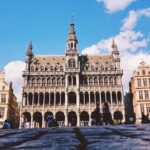
At the end, you land at Grand Place, one of Europe’s most famous squares. The key is that you won’t just look at it like a postcard. You’ll arrive with context, so the architecture and street-level details start making sense.
You can also read our reviews of more walking tours in Brussels
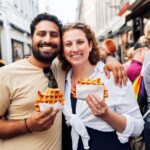
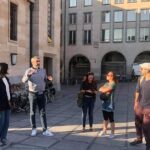
The walk you feel: parks, walls, and the city’s hidden layers
After you leave the starting zone, you spend time in the Park of Brussels. This is where the tour shifts from big monuments to quieter, more personal spots. You’re not wandering randomly; you’re guided to places that help explain how Brussels blends formal spaces with everyday calm.
Then you hit remnants of ancient medieval city walls. This stop can be easy to overlook on your own because you might think, Where’s the rest? The guide helps you read what’s left as part of a bigger story, so even fragments feel meaningful instead of confusing.
One practical win: the walking is framed as manageable. The tour is described as comfortable, with no climbing up and no stairs, which matters if you’re balancing sightseeing with fatigue. And based on how people rate the experience so highly, the route design is doing its job.
Potential drawback: because you’re outside and walking continuously, it helps to pack for weather. Bring your umbrella and water, and wear shoes that won’t punish you after 90 minutes.
Park of Brussels stops: what to watch for while you’re there
In the Park of Brussels, the tour doesn’t treat greenery like filler. You’re guided to hidden spots, which is useful because parks in big cities can feel like open space with no itinerary. With a guide, you start noticing small details: changes in sightlines, quiet corners, and how the park sits in relation to the surrounding neighborhoods.
This section is especially valuable if you want Brussels to feel human, not just official. Parks are where locals slow down, and even a short guided walk can give you a sense of daily rhythm.
Tip for you: if you want photos, keep an eye on your guide’s suggestions. One guide (Polina) was praised for pointing out good places to take pictures, and that’s exactly the kind of nudge that saves time once you’re on your own later.
Notre-Dame des Victoires au Sablon and the legend of Holy Maria
Next comes Notre-Dame des Victoires au Sablon, and this is one of those stops where a guide can turn a building into a story. You’ll learn about a legend connected with Holy Maria, and you’ll also get a sense of how religious landmarks in Brussels carry meaning beyond their walls.
Why this works: Brussels is a city where symbols matter—politics, faith, and public life are always cross-wired in subtle ways. A guided stop like this gives you interpretive tools, so you’re not just saying, Okay, a church. You’re learning what the place represents and why it’s remembered.
Consideration: if you’re the kind of visitor who dislikes stops that feel too “lecture-like,” you’ll still benefit here because the legend angle is meant to be a hook, not a textbook. Still, it’s indoors/outdoors depending on timing and conditions, so dress appropriately for the day.
Manneken Pis, antiques, and the Museum Quarter: from famous to street-level
Then you hit the iconic Manneken Pis fountain. This is the kind of sight everyone knows, but it’s also a classic trap for visitors who only glance and move on. With a guide, the fountain becomes a doorway into local humor and tradition—something Brussels does well.
After that, you’ll pass an antique market. Even if you don’t buy anything, it’s useful because it shows Brussels as a working city with daily commerce and character, not a theme park.
Finally, you roll into the Museum Quarter area. This stretch helps connect the dots between “things to see” and “where culture hangs out.” If you’re already thinking about your next day of sightseeing, this is one of the most practical moments of the tour because it sets up what you might choose later.
A small reality check: the Museum Quarter vibe can be a bit more “destination” than “local neighborhood.” That’s not a problem, but it helps you understand why it’s on the route: it’s a cultural anchor before you land in Grand Place.




Grand Place: arriving with context changes everything
Grand Place is the finale, and it’s where you should slow down. The guide’s job here is to make you notice details you’d otherwise miss: architectural patterns, the sense of civic pride the square represents, and why the place is treated like a centerpiece.
You’ll also get a tour wrap-up that doesn’t end at the square. Guides help you plan the rest of your stay by sharing where to relax, where to have fun, and what to do next. That matters because Brussels can feel spread out, and good suggestions can save you from a stressful “where should I go now?” moment.
One extra detail worth flagging: people praised guides for not just listing sites, but connecting them to daily decisions. That’s the difference between a sightseeing walk and a tour that helps you travel smarter.
The guides: the difference between facts and understanding
The overall quality here seems to come from the guides’ style. Multiple people specifically mentioned guides going above and beyond with insight, and several called out how knowledgeable the guides were about both government-level context and the city’s upper and lower areas.
Paulina, for example, was praised for explaining the upper town and lower town, plus how government fits into the picture. Polina was praised for arranging the route generally downhill so the walking wasn’t so bad. Evgenia was praised for pointing out places that felt off the usual path.
This is what you should look for in a Brussels guide: someone who can connect official landmarks (palace, major churches, civic squares) with how the city actually feels on the street.
If you’re traveling solo, that matters even more. A strong guide gives you a mental map you can use the rest of the week without feeling lost.
Price and value: is $60 for two hours worth it?
At $60 per person for a 2-hour walking tour, you’re paying for time-saving and context. You’re not just buying access to sights; you’re buying interpretation plus a curated route that reduces the usual friction of first-time sightseeing.
Here’s the practical way to judge value:
- If you only have a day or two, a focused route keeps you from spending half your time figuring out where things are.
- If you like history with everyday meaning, the tour’s “story + lifestyle” approach can make famous places more than just checkmarks.
- If you enjoy planning, the post-walk tips (including waffles and souvenir ideas) can pay off immediately.
Is it cheap? No. But considering you get a professional local guide, a short structured itinerary, and actionable guidance for the rest of your trip, it’s reasonably priced for a first-orientation experience.
Who this tour fits best (and who should choose differently)
This tour is a great match if you:
- are a first-time visitor and want a clear sense of Brussels fast
- already visited some sights but want the “how it all connects” version
- prefer walking tours that avoid steep climbs and awkward stairs
- want practical ideas for eating and exploring after the main route
You might want to choose another option if you:
- hate being outside for a couple of hours, especially in winter or wet weather
- need wheelchair accessibility, since the tour is stated as not suitable for wheelchair users
Also, it’s offered in Russian and English, so language comfort matters. If you speak one of those, you’ll get the full benefit of guide explanations and legend stories rather than trying to piece things together on your own.
Practical tips before you go: shoes, umbrella, water, and pace
Pack like it’s a regular city walk. The tour asks for comfortable shoes, an umbrella, and water, and that’s sound advice. Brussels weather is famously changeable, and the tour stays outdoors for the walking sections.
Pacing tip: treat it like a guided orientation, not a sprint. Take breaks when your guide pauses, and don’t rush to the next photo. If you want to see everything clearly, give your feet a fair job. The route is designed to avoid stairs and hill climbing, but your legs still do the work.
If you’re a light packer, prioritize:
- good grip shoes
- a compact umbrella
- a bottle of water you’ll actually drink
And one mindset tip: go in curious. The best moments are usually the ones where a guide points out why a small detail matters.
Should you book this Brussels Highlights and Hidden Spots tour?
Book it if you want Brussels to feel navigable and meaningful within two hours. This is especially smart for first-timers who want the big anchors (Royal Palace area, Notre-Dame des Victoires au Sablon, Manneken Pis, Grand Place) plus quieter stops that give the city texture.
Skip it or choose something else if you’re not into walking in cold or rain, or if accessibility is a serious need for you. Also, if you already know Brussels extremely well and want deep specialization (like only architecture or only art), you may find this too broad.
But if you want a solid starting point with professional guidance, comfortable movement, and practical planning help after the walk, it’s an easy yes.
FAQ
Where does the tour start?
The meeting point is very close to Metro station Trône (lines 2 and 6). Look for your guide near the monument Leopold II holding a yellow sign that says My Super Tour/Bruxelles 15:15.
How long is the Brussels walking tour?
The tour lasts about 2 hours.
How much does it cost?
The price is $60 per person.
What languages are offered?
The live tour guide is available in Russian and English.
What should I bring?
Bring comfortable shoes, an umbrella, and water.
Is the tour wheelchair accessible?
No, it is not suitable for wheelchair users.
Is the tour a good option for first-time visitors?
Yes. It’s described as suitable for first-time visitors (and also for travelers who have already been in Brussels), with a route designed to help you get your bearings without climbing the hill.