REVIEW · BRUGES
Bruges: Guided Walking Tour
Book on GetYourGuide →Operated by buendía · Bookable on GetYourGuide
Bruges clicks into focus in two easy hours. I love how the guide connects the major sights across the UNESCO historic center without turning it into a checklist, and I love that you get a break to handle lunch on your own and chase chocolate and lace shops. The only real consideration: this tour isn’t set up for people with mobility impairments, because it’s a walking route.
What makes it work is the human touch. Guides (you might meet names like Maria, JK, Diego, Peter, and Marija) tend to keep the pace steady and the stories lively, with humor and city legends tied to what you can still see today. One more practical note: Bruges sometimes uses radio systems with headphones, so it helps to bring your own earbuds or small headphones.
By the end, you’ll finish near the Campanario de Brujas, and the guide sticks around long enough to answer questions and point you toward a smarter lunch spot outside the heaviest tourist lanes. You also get guidance on Belgium beer and a few extra places to visit, including museums, based on what you’re into.
In This Review
- Key moments that make this Bruges walk worth it
- Entering Bruges: the 2-hour reset you’ll feel right away
- Meeting points: Bargeplein or Zilt Immo, and why that matters
- Lake of Love: the quiet mood before the crowds
- Begijnhof (founded in 1245): faith, community, and a human scale
- Walplein Square and Stoofstraat: why tiny streets tell big stories
- Old St. John’s Hospital and Church of Our Lady: seeing devotion in stone
- Gruuthuse Palace area: where style meets local influence
- Rozenhoedkaai and Dijver Canal: the postcard turn (with context)
- Tanners Square (Huidenvettersplein): the working side of Bruges
- Burg Square and Gothic Town Hall: civic pride in full view
- Basilica of the Holy Blood and Grote Markt with Belfort
- Lunch break, chocolate, and lace shops: make your time count
- Belgium beer advice and museum follow-ups
- Price and value: what $25 buys you in Bruges
- Headphones and Bruges radio rules: a small detail that saves annoyance
- Who should book (and who should skip)
- Should you book this Bruges guided walking tour?
- FAQ
- How long is the Bruges guided walking tour?
- How much does the tour cost, and what’s included?
- Where do I meet the guide?
- What languages is the live guide available in?
- Do I need to bring headphones?
- Is lunch included?
- Can I cancel for a full refund?
Key moments that make this Bruges walk worth it
- A tight UNESCO loop that gives you the big-picture story fast, then shows you the physical evidence
- Canals and quays where photos actually look like Bruges postcards, with context attached
- Begijnhof and Lake of Love stops that explain why this city feels calmer than its famous squares
- Burg Square and Grote Markt where Gothic town power and civic life meet in one walk
- A lunch break you control, so you’re not trapped in a single plan
- Guides who answer your questions and tailor suggestions to your day
Entering Bruges: the 2-hour reset you’ll feel right away
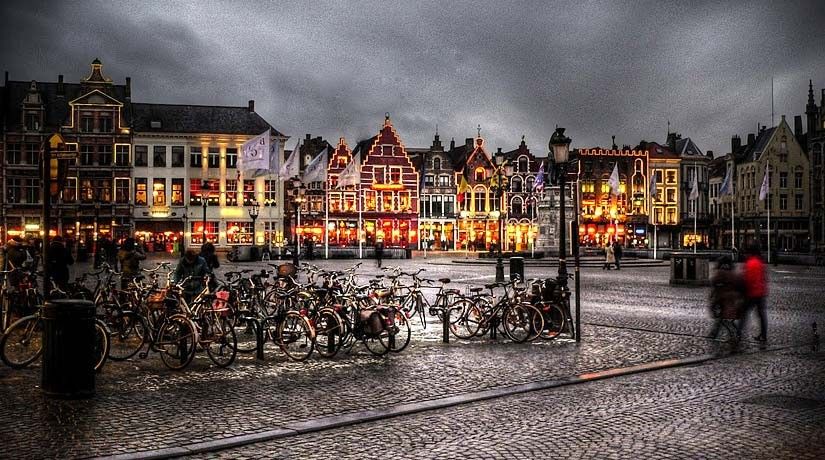
Bruges is one of those cities where everything looks pretty, but you can still waste time wandering without direction. This guided walking tour is designed for the opposite: you start with orientation, then you build a mental map while you move.
It lasts about 2 hours, and the rhythm is important. You get guided stops at key landmarks, but you’re not stuck listening nonstop. You’re walking through the heart of Bruges, learning what each place meant back when the city was thriving, and also why it still looks the way it does.
A big part of the value is that you leave with clarity. After a couple of hours, you’re able to walk the streets on your own without feeling like you’re guessing. That’s especially helpful if you only have a weekend, or if Bruges is one stop on a bigger Belgium plan.
You can also read our reviews of more walking tours in Bruges

Meeting points: Bargeplein or Zilt Immo, and why that matters
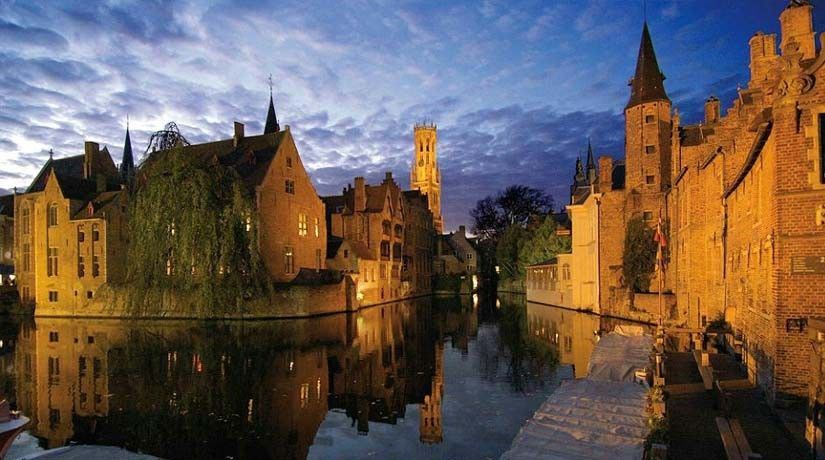
The meeting point can vary depending on the option you book, but the two starting areas you may see are Bargeplein (Katelijnparking) and Zilt Immo. Since Bruges is a maze of narrow streets, I’d treat your meeting point like it’s a big deal, not a quick check-in.
If you want the smoothest start, arrive a bit early and do a quick check that you’re in the right place before you pull out your phone. The tour is short, so any delay can feel like it shrinks your time even more.
Also, wear comfortable shoes. This is a city-walk format, not a sit-and-stare museum day. You’ll be on your feet through lanes and around squares, including areas near canals.
Lake of Love: the quiet mood before the crowds
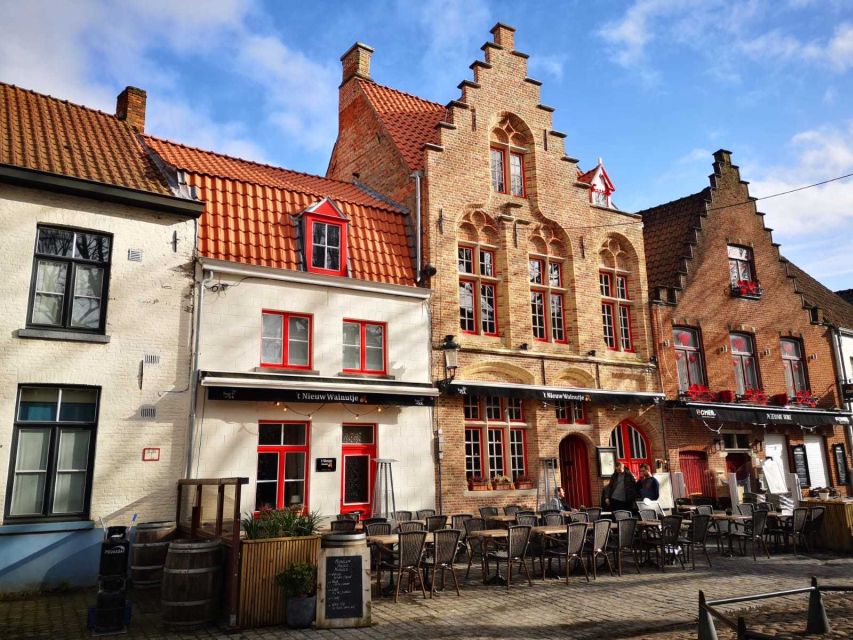
The walk starts at one of the meeting points, then moves to the Lake of Love area. This stop is short, around 10 minutes, but it sets the tone. The city can look picture-perfect from every angle, yet this is where you start feeling the softer side of Bruges—calmer, more intimate, and a good reminder that not everything here is about big public buildings.
You’ll also learn what to look for as you move on. Guides tend to connect how Bruges grew, why certain neighborhoods took shape, and how water and street layout influenced daily life. Even if you’re not a history person, the explanation usually makes the streets feel less random.
Begijnhof (founded in 1245): faith, community, and a human scale
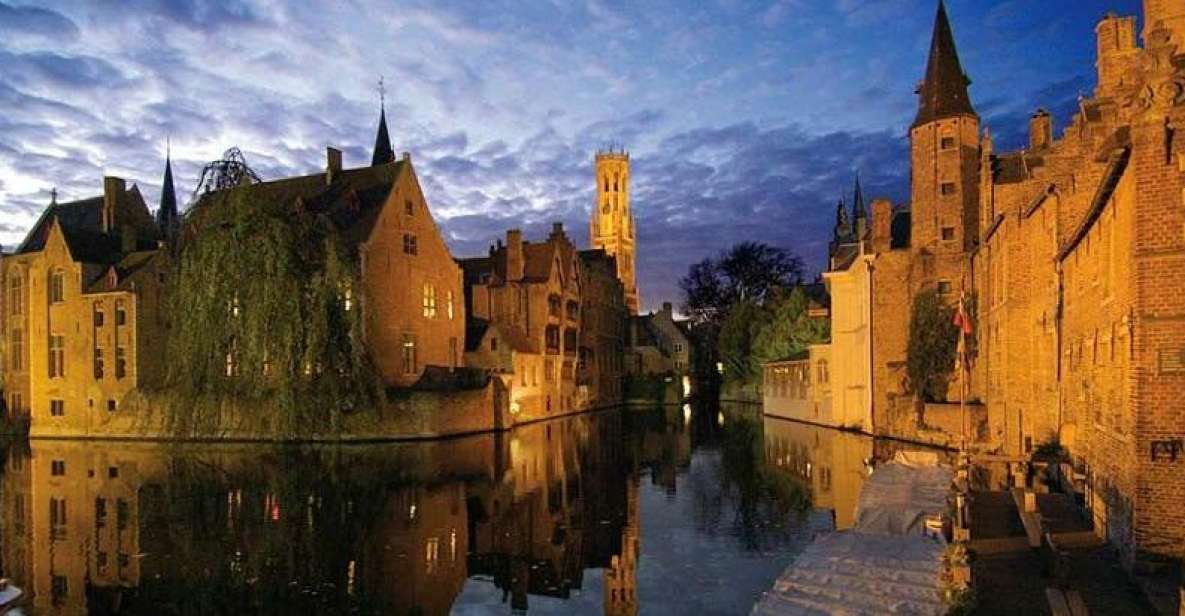
Next comes the Begijnhof, founded in 1245, with about 15 minutes of guided time. This is one of those places that can feel almost separate from the busy streets outside—because it was designed for a specific kind of community life.
What I like about this stop is how it changes your view of Bruges. It reminds you that the city wasn’t only built by merchants and councils. It also formed around people living daily routines tied to faith and social structure.
Since this is a walking tour, you’ll benefit from taking it slowly here. Notice how the layout supports privacy and quiet, and don’t rush the details. The whole point is that you’re learning the city’s logic while you’re inside it.
Walplein Square and Stoofstraat: why tiny streets tell big stories
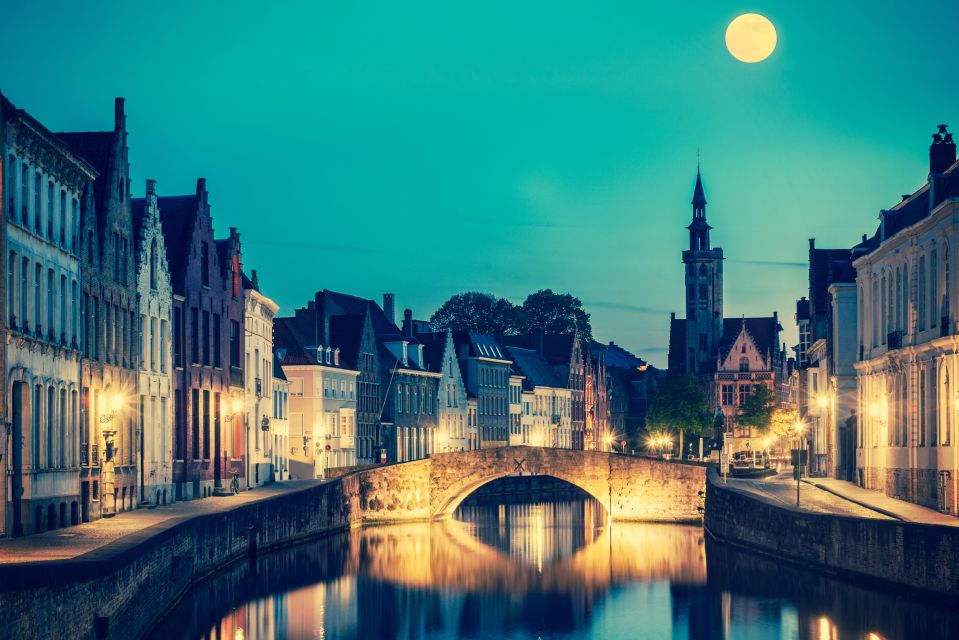
After Begijnhof, you’ll head toward Walplein Square and then Stoofstraat, with about 10 minutes guided time per stop. These areas matter because Bruges isn’t only about the famous squares. The “in-between” spaces are where daily life happened, and where the city’s character shows up most clearly.
This is also where the guide’s style can really make a difference. When a guide adds local legends or explains how people used these streets over time, it turns a route into a narrative. You start thinking: why is this street here, why is it shaped like this, and what kind of buildings usually belonged nearby?
You can also read our reviews of more guided tours in Bruges


Old St. John’s Hospital and Church of Our Lady: seeing devotion in stone
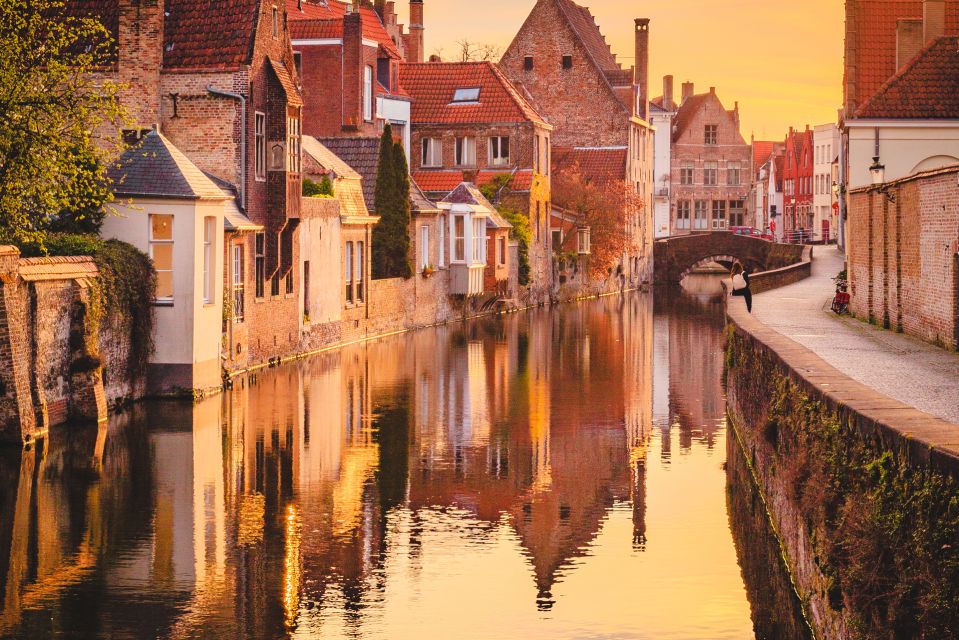
From the lanes, the tour moves to major landmarks: Old St. John’s Hospital and the Church of Our Lady (about 10 minutes each). These stops widen your perspective fast.
Here’s what you’re really gaining: a sense of how religious institutions and civic care were tied together in older Bruges. Even if you only spend a short time at each site, you’re learning what kind of community these places served.
The Church of Our Lady stop is also where Bruges’ “pretty” becomes “powerful.” You’ll see the scale and form of the building, then understand what that meant for the city’s identity.
Gruuthuse Palace area: where style meets local influence
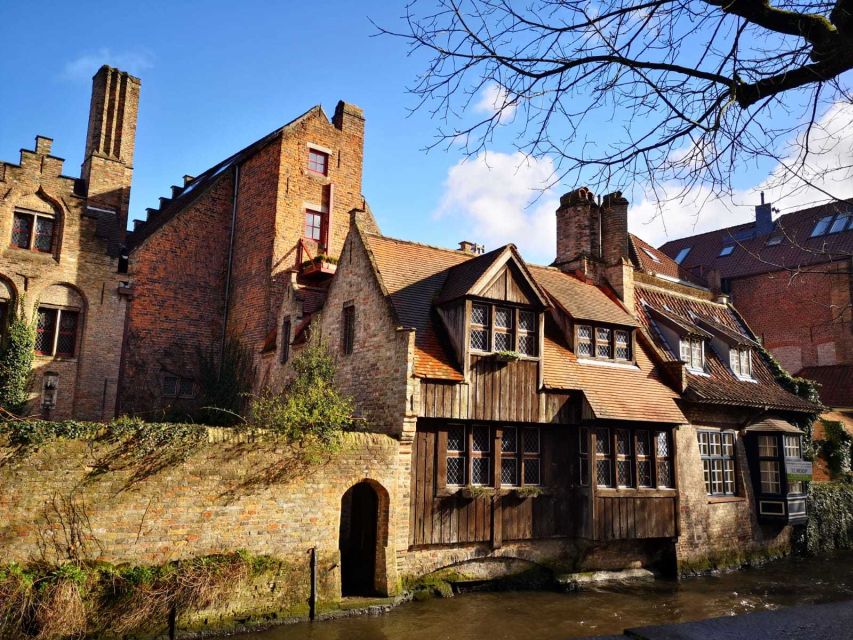
The guided tour includes Gruuthuse Palace (with about 10 minutes at the stop that may connect with the Gruuthusemuseum area). This is a great point in the tour because it breaks you out of only churches and civic plazas.
This stop helps you read Bruges as a city of influence. You’re starting to notice how families and institutions left their mark, and how grand architecture sat in the middle of ordinary walking routes.
If you’re the type who loves spotting coats of arms, decorative building details, or the social meaning of how spaces are arranged, you’ll appreciate this segment. It’s not long, but it gives you a framework for what you’ll later notice on your own.
Rozenhoedkaai and Dijver Canal: the postcard turn (with context)
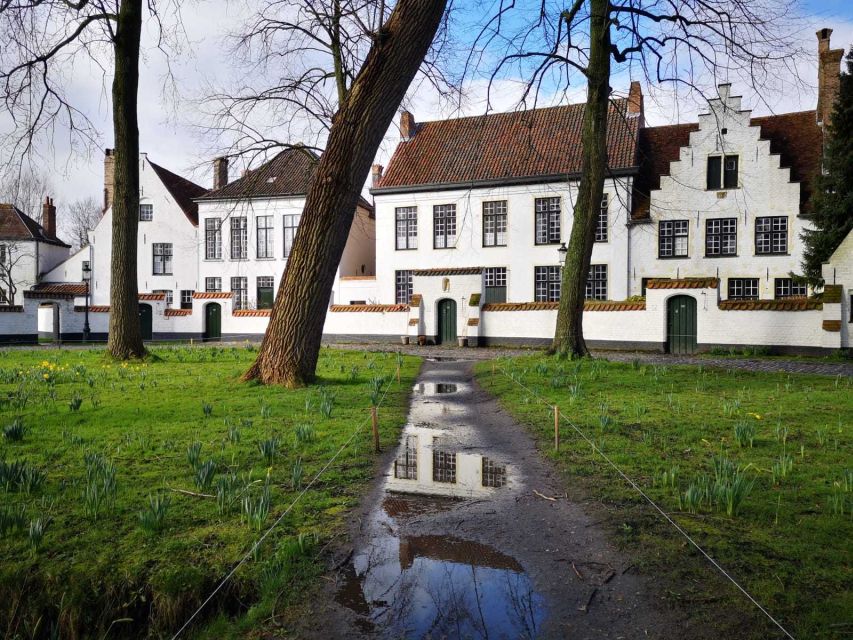
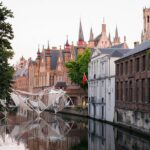
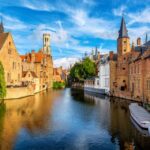
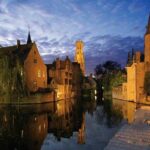
Next comes one of Bruges’ most photogenic sequences: Rozenhoedkaai and the Dijver Canal area (with guided time around 15 minutes for Rozenhoedkaai). This section is where the city’s canal culture becomes real in front of you.
I like that the guide doesn’t just point and say photo here. You’re taught what the quays and water edges were used for, and why the canal setup mattered. That context makes your photos feel less like luck and more like understanding.
A practical tip: if it’s chilly or rainy, this is where you’ll probably want a quick photo burst and then keep moving. The city looks great even in bad weather, but long pauses can make your hands and feet numb.
Tanners Square (Huidenvettersplein): the working side of Bruges
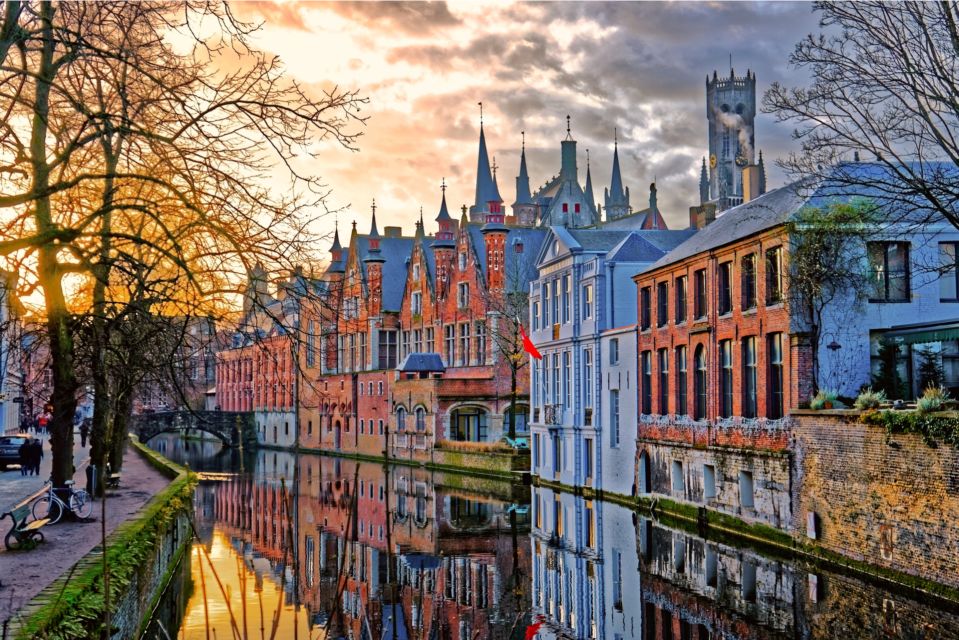
After the canal-side views, you’ll walk to Tanners Square (Huidenvettersplein) for about 10 minutes of guided time. This is a smart inclusion because it reminds you Bruges wasn’t just “scenery.” It was a working city.
When you connect where tanners and craft trades fit into the city’s layout, you start noticing how economic activity shaped street life. Even if you don’t remember every detail, the mental shift is useful: Bruges is charming because it’s old, but it’s also charming because it once functioned.
Burg Square and Gothic Town Hall: civic pride in full view
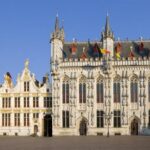
One of the tour highlights is Burg Square, with about 15 minutes of guided time, plus a chance to see the surrounding civic buildings, including the Gothic Town Hall.
This is Bruges at its most “official.” It gives you a clear anchor point for the rest of your day. If you think of Bruges like a map, Burg Square becomes a key reference you can return to mentally.
You’ll also learn why these squares mattered for governance and public life. The city’s beauty is real, but the meaning behind it is what makes it stick.
Basilica of the Holy Blood and Grote Markt with Belfort
The tour then reaches the Basilica of the Holy Blood and finishes the heart of the walk at Market Square (Grote Markt) with the Belfort (both are included, each with about 10–15 minutes of guided time depending on the stop).
If you’ve only seen Bruges in photos, this is the moment where it becomes spatial. Grote Markt is the classic focal point, and the Belfort is a signature shape you’ll recognize later even from a distance.
I like that this part of the tour ties the religious and civic together. You see how a city can use monumental architecture to express faith, status, and identity—then you realize why these sites remain so central in the modern tourist experience.
Lunch break, chocolate, and lace shops: make your time count
The tour includes free time for lunch, so you can explore beyond the tight guided loop. This is where you get to decide how you want your Bruges day to feel.
Use this break to:
- Grab lunch somewhere less tourist-stuffed, based on the guide’s suggestions
- Follow up on the tour by browsing chocolate and lace shops
- Take your own slow walk with your new mental map
One of the best values here is that you’re not trapped in a schedule. If you want to keep walking, you can. If you need to sit and recover, you can do that too.
Food and drinks are not included, so plan to budget for lunch separately. The good news: the guided orientation usually helps you find something better faster.
Belgium beer advice and museum follow-ups
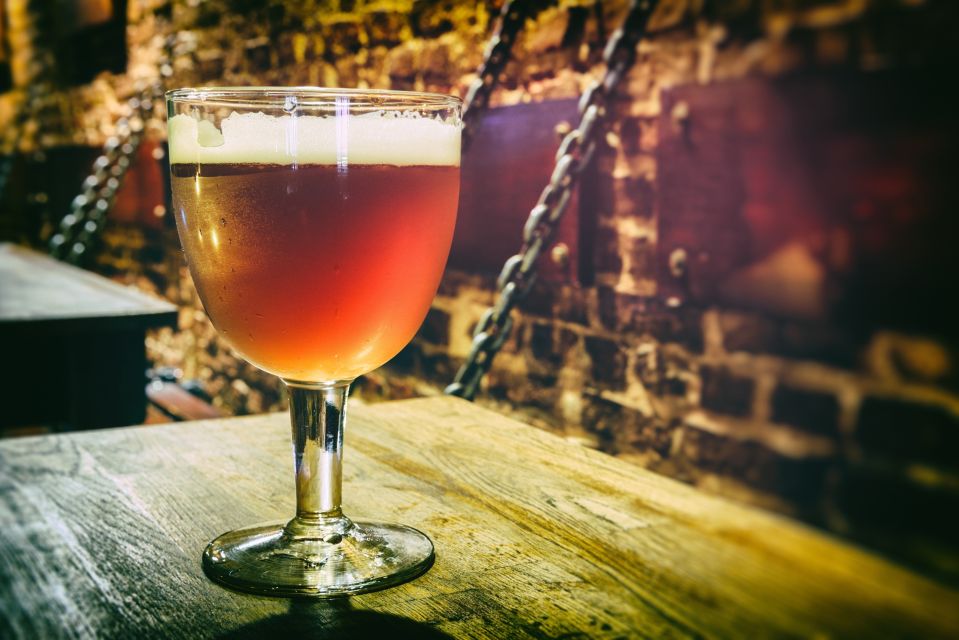
At the end of the visit, the guide answers questions and recommends places for lunch outside the tourist area. You’ll also get advice about Belgium’s famous beer, plus additional suggestions including museums.
This is one of those “small” benefits that matters. Bruges is a city where people can oversimplify the day: canals, squares, done. A good guide helps you choose what fits your interests—art, history, or hands-on culture—so you don’t waste time on places that don’t match your vibe.
Guides you might meet (again, names like Diego, Maria, JK, Peter, and Marija come up) often lean into humor and personal storytelling, which makes the recommendations feel practical rather than generic.
Price and value: what $25 buys you in Bruges
At $25 per person for around 2 hours, this tour is strong value if you’re trying to see the real center efficiently. You’re paying for:
- A local guide’s route planning through the UNESCO core
- Quick context at major landmarks (churches, civic buildings, canal edges)
- Time saved versus trying to piece together a coherent walk on your own
You’re also getting a sort of “city compass.” That’s hard to price, but it’s what keeps this from feeling like a short stroll with facts. Bruges rewards attention, and a guide helps you pay it at the right moments.
If you’re the kind of traveler who loves wandering without structure, you might skip the tour and do it all on your own. But if you’d rather trade two hours for months of better memories and better independent navigation, this is a fair deal.
Headphones and Bruges radio rules: a small detail that saves annoyance
Bruges has a tourist-visit management rule that can require radios with headphones on certain occasions. Because disposable headphones create waste, you may be asked to bring your own.
If you don’t have your own, the company can provide disposable headphones for 1 EUR.
This is worth remembering because it affects comfort. Earbud-friendly small headphones are easy to bring, and they can make it much easier to hear your guide clearly—especially if the group is moving close together in busy areas.
Who should book (and who should skip)
This tour is best for:
- First-time visitors who want the historic center story fast
- People who like walking tours with clear landmark stops and photo moments
- Anyone planning a short stay and wanting smart lunch recommendations afterward
It’s likely not the best match if you:
- Need a route that works for mobility impairments (the tour isn’t suitable)
- Want a totally no-walking experience (it’s built around steady walking)
- Have restrictions around group movement and short guided pauses
One more etiquette note: alcohol and drugs are not allowed, so keep it a clean, city-focused day.
Should you book this Bruges guided walking tour?
I’d book it if your goal is to understand Bruges quickly and walk out with a real sense of how the city fits together. The mix of canals, Begijnhof calm, major churches, civic squares like Burg and Grote Markt, plus a lunch break you control makes the timing feel efficient rather than rushed.
Skip it if you can’t do the walking, or if you want a slower, independent day with zero structure. But for most people doing a weekend in Belgium, this is one of the simplest ways to get the city to click fast—then let you enjoy the rest of Bruges on your own.
FAQ
How long is the Bruges guided walking tour?
It lasts 2 hours.
How much does the tour cost, and what’s included?
The price is $25 per person, and the only listed inclusion is a tour guide. Food and drinks are not included.
Where do I meet the guide?
The meeting point can vary depending on the option booked, but starting options include Bargeplein (Katelijnparking) and Zilt Immo.
What languages is the live guide available in?
The live tour guide is available in Spanish and English.
Do I need to bring headphones?
Sometimes Bruges requires radios with headphones. Because you may be asked to bring your own to avoid disposable ones, it’s a good idea to bring your own headphones/earbuds. If you don’t have them, disposable headphones may be provided for 1 EUR.
Is lunch included?
Lunch isn’t included, but you do get free time for lunch so you can explore more and visit shops like chocolate and lace stores.
Can I cancel for a full refund?
Yes. There’s free cancellation up to 24 hours in advance for a full refund.