REVIEW · BRUGES
Bruges: Private Guided Tour by Pedicab
Book on GetYourGuide →Operated by Fietskoetsen Brugge · Bookable on GetYourGuide
Skip the walking, keep the wonder. This private Bruges pedicab tour is a fast, comfortable way to see the UNESCO old town while your guide points out what most people miss, then explains how the city went from a coastal outpost to a medieval trade powerhouse. You also get a real conversation about daily life in Bruges, not just a script.
I especially like the UNESCO canal-and-medieval-street views you can take in without getting your shoes wrecked by cobblestones. The other standout for me is the guide storytelling—people like Pieter, Luis, and David are the kind of hosts who can turn buildings and bridges into understandable history, and still leave room for your questions.
One thing to consider: it’s priced per group (up to 3), so if you’re traveling solo, it can feel pricier than a standard walking tour. Also, 2 hours is ideal for an overview, but it won’t replace a longer, slower day in Bruges if you want to linger at every stop.
In This Review
- Key highlights at a glance
- Pedicab in Bruges: the practical upgrade you’ll feel right away
- Meeting on the Markt, right by the old medieval market
- Canals and medieval buildings: the UNESCO views without the heavy footwork
- How Bruges grew into a trading center (and what that means today)
- Local shortcuts and quieter corners your feet won’t find fast
- Private comfort: up to 3 seats, canopy cover, and rain-ready touches
- Who should choose this Bruges pedicab tour?
- Price and value: $175 per group can be a deal or a splurge
- Guide styles you might notice: history focus, humor, and thoughtful pacing
- Tips for making the most of your two-hour ride
- Should you book this Bruges pedicab tour?
- FAQ
- How long is the Bruges private guided tour by pedicab?
- Where do I meet the guide?
- Do tours always depart from the Markt?
- How many people can ride in the pedicab?
- What languages are the live guides available in?
- What’s included in the price?
- What’s not included?
Key highlights at a glance
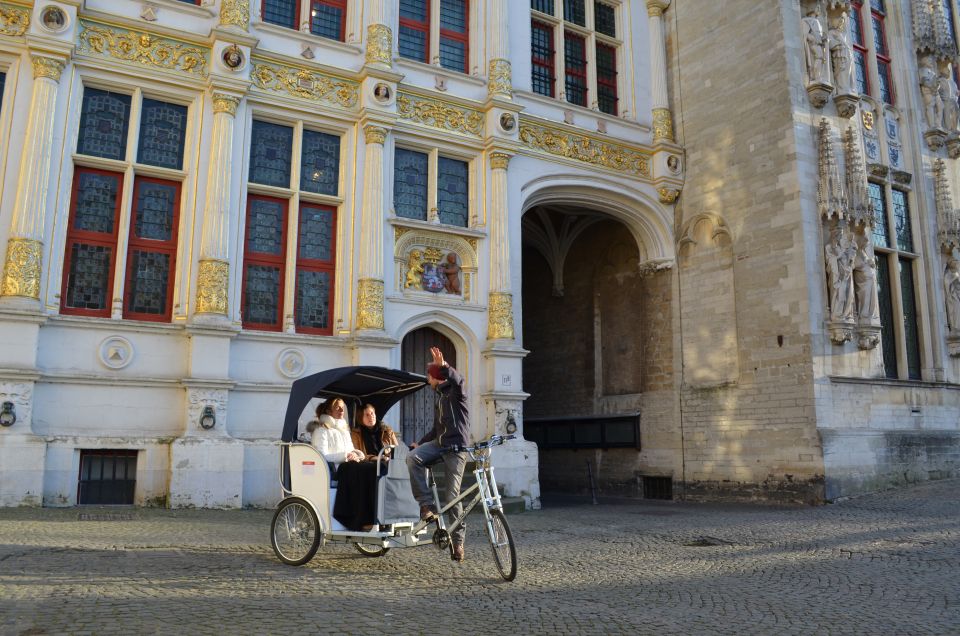
- Pedicab comfort for up to 3 with a canopy to help with rain and chill
- UNESCO old town views of canals and medieval architecture
- Local detours off the usual tourist path, reached without doing all the walking
- History you can picture: Bruges’ rise from coastal settlement to trade center (12th–15th c.)
- Small-group, real chat with your private guide about living in the city
Pedicab in Bruges: the practical upgrade you’ll feel right away
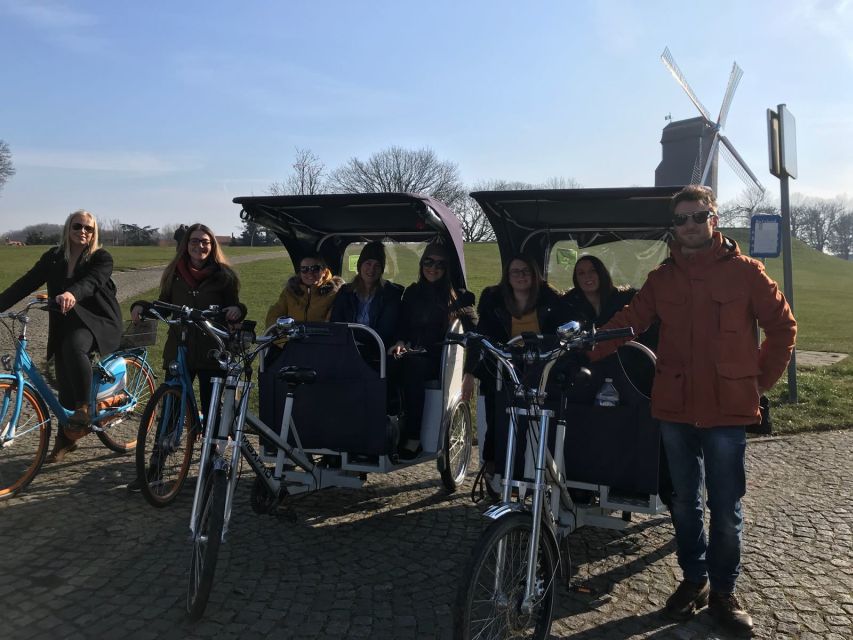
Bruges is gorgeous, but it can be a lot on the body. The streets are cobbled, the sights are spread out, and the “I’ll just walk between highlights” plan can turn into sore calves faster than you expect. This is where a pedicab makes sense. In two hours, you get a big hit of the city’s feel—canals, medieval buildings, and the main squares—without spending most of your energy stepping around.
I also like that this isn’t a race-through. You’re sitting up under cover, you can relax, and the pace gives you time to absorb what you’re seeing. That matters in Bruges because so much of the charm is in the details: street proportions, the way waterways shape neighborhoods, and the look of older building facades as you move through the old center.
The private setup is another real advantage. You’re not trying to keep up with a group headset vibe. It’s just you (and up to two others), so your guide can slow down when you’re taking photos or when you ask a question that’s on your mind.
You can also read our reviews of more guided tours in Bruges

Meeting on the Markt, right by the old medieval market
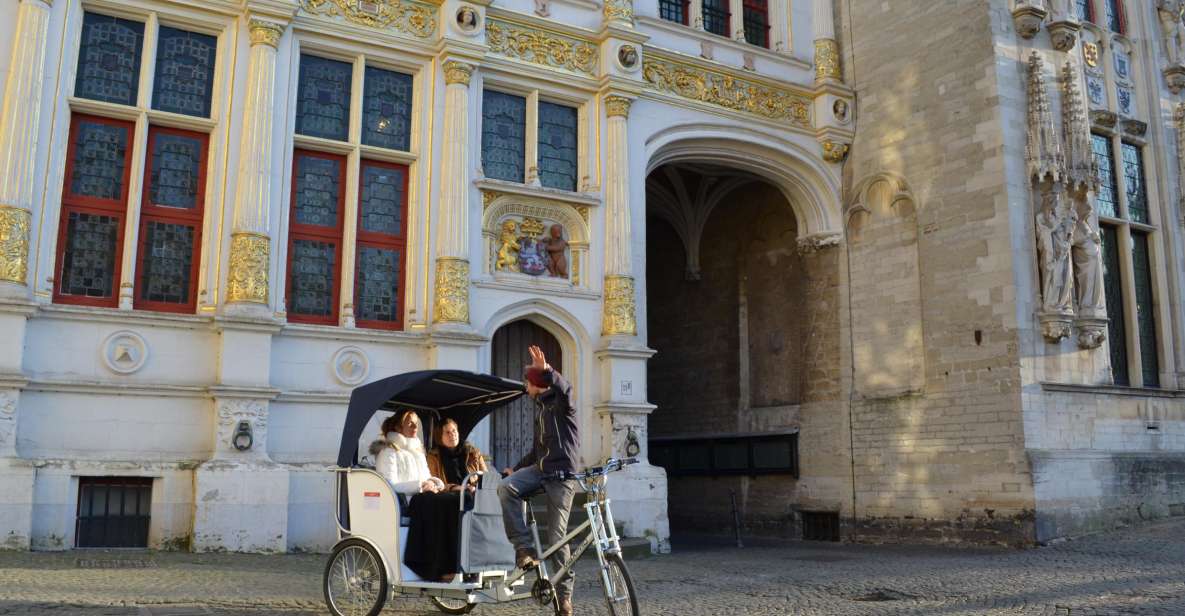
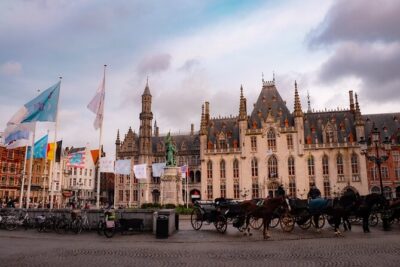
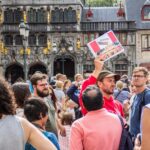
Your tour starts in a very easy-to-find place: the Markt (Market Square). You meet in front of Burger King on the Markt, at the site of the old medieval market. That’s a smart starting point, because it immediately puts you in the setting of how Bruges functioned when it was a major trading city.
One small but useful heads-on: tours run daily from the Markt, but Wednesdays depart from The Burg instead. If you’re choosing a day, this is worth noting so you don’t arrive at the wrong square with time ticking.
Once you’re mounted, you get the benefit of someone who knows the city’s rhythm. Instead of playing map-game with narrow streets and canal turns, your guide handles the route. You can focus on enjoying the views and letting the background stories connect the dots between what you’re seeing and why Bruges looked the way it did.
Canals and medieval buildings: the UNESCO views without the heavy footwork
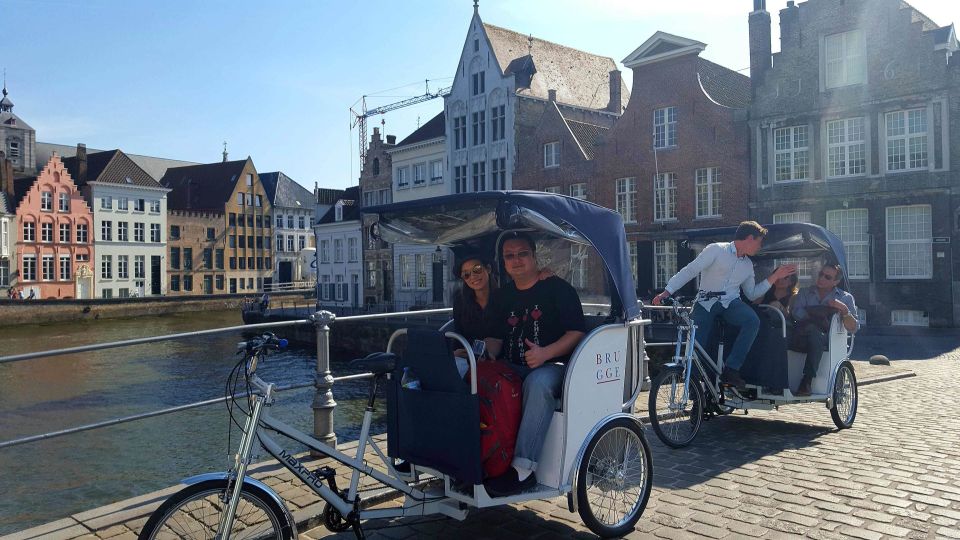
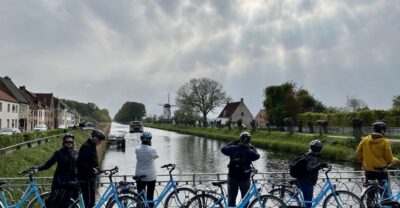
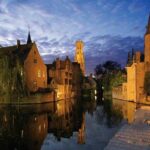
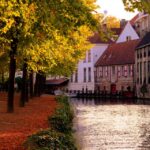
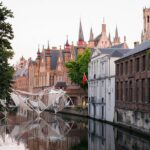
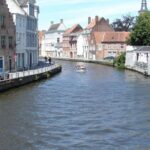
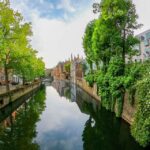
A big promise of this tour is clear: picture-perfect canals and medieval buildings in Bruges’ UNESCO World Heritage old town. The pedicab format helps because you’re not bouncing between viewpoints by foot. You’ll glide through areas where the water and architecture create that classic Bruges look—then you can actually look, not just move.
What I’d watch for as you ride is how the canals shape where people go and how the city grew. Waterways weren’t just scenery in Bruges; they were part of the working city—trade routes, transport, and the practical link between neighborhoods. When your guide points out these relationships, the “pretty postcard” view starts making sense as an urban system.
You also get chances for photos. Several guides in real use talk while pedaling and then pause at particularly interesting sights so you can hop out, frame the shot, and get back on without feeling like you’re constantly rushing. That balance—sightseeing plus time to stop—is a big reason this works better than a typical self-guided sprint.
How Bruges grew into a trading center (and what that means today)
Bruges didn’t become important by accident. Your guide’s job is to connect the past to the streets you’re passing. During this tour you’ll learn how the city grew from a coastal settlement into one of the great centers of trade from the 12th to 15th centuries.
Here’s the practical takeaway: when you understand trade-power, you start seeing it in the architecture and the urban layout. More wealth flowing through a city usually means more elaborate buildings, bigger public spaces, and a city plan that can handle commerce. You’ll likely notice how the center feels structured around key public areas, while the canal network turns movement into something more fluid than “just streets.”
This is also where the private guide format helps. Instead of hearing the same condensed talking points every time, your guide can tailor the conversation based on what you care about—history, architecture, or just the vibe of living in Bruges today. Many guides named in the experience focus heavily on historical and architectural connections, which is exactly what you want from an overview tour.
Local shortcuts and quieter corners your feet won’t find fast
One of the best parts of this style of tour is the permission to go off the obvious path. This experience aims to take you to hidden locations known only to locals—or at least places most visitors would skip because they require too much walking or because they’re not on the tight “top 10” route.
I like that the tour doesn’t treat Bruges like a museum you must sprint through. Instead, it gives you a chance to compare. You’ll see the well-known views, then you’ll also catch glimpses of quieter streets and calmer angles where the city looks more lived-in than staged.
There’s also a timing angle that matters. One guide’s approach is helped by choosing a time that’s naturally calmer. For example, a 10am start can reduce crowds you’d otherwise face later in the day, even though the tour includes quieter areas anyway. If your goal is to take photos without shoulder-to-shoulder traffic, picking an earlier departure is a smart move.
You can also read our reviews of more private tours in Bruges

Private comfort: up to 3 seats, canopy cover, and rain-ready touches
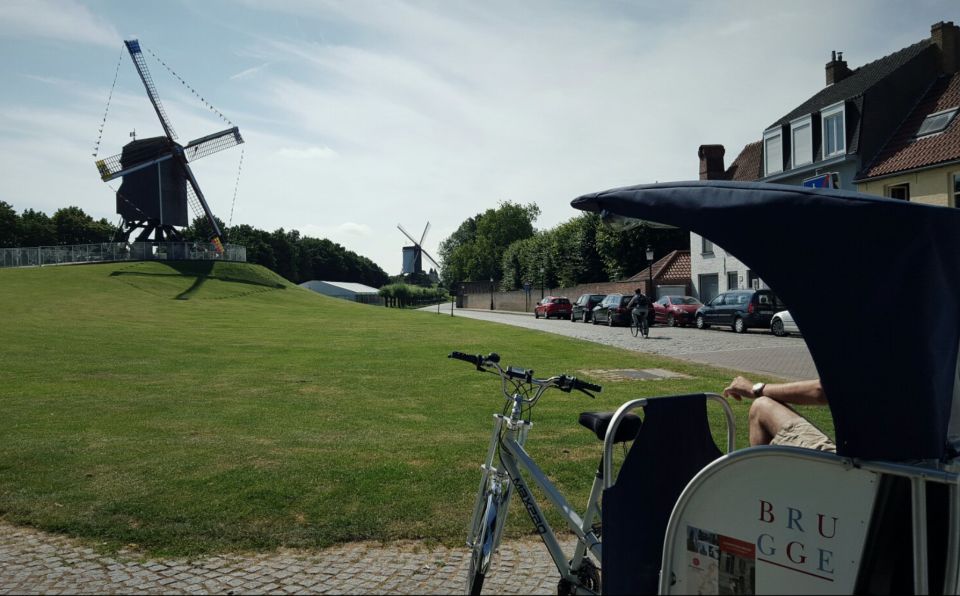
This pedicab is designed for small groups—up to 3 people—and it includes a canopy to keep you covered. That sounds simple, but in Bruges it’s a big deal. Weather can change fast, and even when it’s not pouring, it can be cold and damp near the canals.
In real-world use, guides often show that they’re paying attention to comfort. One guide provided a waterproof blanket when it rained, and other stops are handled in a way that keeps you from getting stuck waiting outside in bad conditions. You’re not just relying on the bike’s canopy; your guide is actively trying to keep the experience enjoyable.
If you’re traveling with someone who gets tired easily from walking—like an older parent or anyone with limited stamina—this is a very practical fit. You get the city’s highlights plus the storytelling, without the “we have to keep moving” pressure.
Who should choose this Bruges pedicab tour?
This is ideal for people who want a guided overview with minimal physical strain. If you’re the kind of traveler who likes history, architecture, and the story behind city layout, you’ll get a lot from this. The guide conversation about what it’s like to live in Bruges today is also a plus if you enjoy asking questions beyond the facts on a sign.
You’ll also like it if you’re short on time. Two hours is long enough to get a meaningful sense of Bruges and its medieval logic, but short enough to slot into a packed itinerary.
On the other hand, if you prefer wandering at your own pace with long stays at a few specific sights, you may want to pair this with additional free time afterward. Think of this tour as your orientation and your story map, not your only Bruges day.
Price and value: $175 per group can be a deal or a splurge
The price is $175 per group, up to 3 people, for a 2-hour guided pedicab ride. That structure changes how you should judge value.
- If you go as a pair (2 people), you’re effectively paying about $87.50 per person.
- If you go as a group of 3, it drops to about $58.33 per person.
- If you go solo, it stays at the full $175 for you.
So the value math is straightforward: the more people in your group, the more it feels like a smart buy. It also helps that you’re paying for a private guide plus transportation in a city where cobblestones and spacing make walking slower and more tiring.
To me, the best justification isn’t just “you get a ride.” It’s that the guide adds context you can’t easily get while wandering, and the pedicab expands how many parts of the old town you actually see in a short window.
Guide styles you might notice: history focus, humor, and thoughtful pacing
One thing that comes through strongly is how personality matters in a tour like this. Guides named in the experience—Pieter, Luis, and David stand out—are described as friendly, personable, and confident in explaining the city’s history and architecture. That combination is important because Bruges can feel like a pretty maze. A guide who can explain what you’re seeing helps you make sense of it fast.
Some guides are also practical about comfort and pacing. Chilly, rainy days often lead to little adjustments like blankets or extra care during stops. You’ll also find guides who talk clearly while riding and then pause at the best photo points—so you aren’t sprinting to catch the view.
Your best move as a rider: come with 1 or 2 questions ready. Ask how trade power shaped the city, or what daily life is like now compared with medieval times. When the tour stays conversational, the two hours feel longer—in a good way.
Tips for making the most of your two-hour ride
You’ll get the most out of this tour if you treat it like a guided orientation with room for photos and questions.
- Bring a camera and be ready for stops where the view opens up over canals and older buildings.
- Dress for Belgian weather. Even with a canopy, Bruges can feel chilly near the water.
- If you’re aiming for fewer crowds, choose an earlier departure when possible.
- Don’t over-plan. Let the guide’s hidden-area choices surprise you—those are often the moments that feel most like Bruges, not just Bruges-the-postcard.
And yes, plan your expectations: this is an overview. You’ll see a lot, but you’ll also likely end the tour wanting to come back and linger in your favorite area.
Should you book this Bruges pedicab tour?
I’d book it if your priority is a smooth, comfortable introduction to Bruges—one that combines canal views, medieval streets, and clear historical context in just two hours. It’s especially worth it if you’re with older family, anyone tired by walking, or you just want to maximize your time without turning your trip into a foot marathon.
Skip it (or pair it with something else) if you want a long, slow day devoted to one or two specific landmarks. This tour is built for breadth and storytelling, not deep museum-style time.
If you’re trying to decide, here’s the simple rule: if you want to get your bearings fast and learn what makes Bruges tick, this pedicab format is a very strong choice.
FAQ
How long is the Bruges private guided tour by pedicab?
It lasts 2 hours.
Where do I meet the guide?
You meet in front of Burger King on the Markt (Market Square) in Bruges.
Do tours always depart from the Markt?
Tours depart from the Markt daily, except Wednesdays, when they depart from The Burg.
How many people can ride in the pedicab?
The pedicabs seat up to 3 people.
What languages are the live guides available in?
The tour guide is available in Dutch, English, and French.
What’s included in the price?
Included are a local guide and transportation by pedicab.
What’s not included?
Tip for the guide is not included.