REVIEW · BRUGES
Photo Tour “Jan van Eyck”
Book on Viator →Operated by From Bruges with Love · Bookable on Viator
A photo walk in Bruges feels like cheating—quickly. This guided route is built for better frames and easier navigation, with stops around Jan van Eyck Square, Rozenhoedkaai, and Nepomucenus Bridge plus ongoing photography guidance. I particularly like the small group setup (so you get real attention, not a lecture from the back) and the way the walk targets repeatable “stand here” viewpoints. One consideration: the pace can feel a bit exhausting if you’re sensitive to a lot of short stops and standing around for the light.
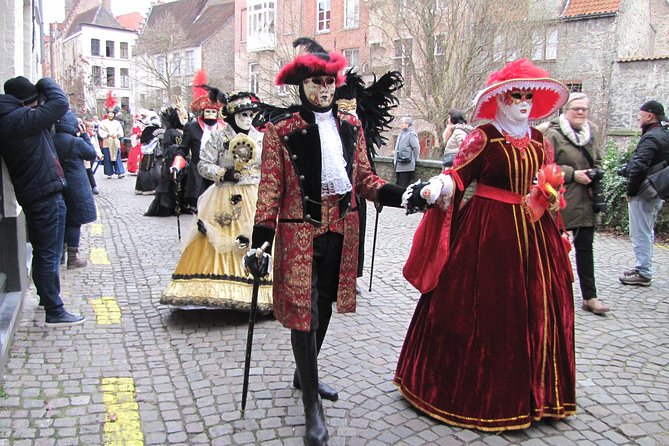
You’ll start at Historium BrugesMarkt and finish near Nepomucenus Bridge, so the flow stays tight and your brain isn’t stuck on directions. The guide, often named Ivan, brings city history into the photo moments and keeps things lively, including stories that add meaning to what you’re shooting (like the swans detail that people remember). Still, if weather is bad, this is a tour that depends on conditions—so have a flexible mindset.
Because this is a guided walk rather than a photo workshop, the value is in the timing and viewpoints. You get a plan, you get insider spots, and you get help with where to stand. The only “drawback” I’d flag is that the tour’s best results are tied to light and calm weather, so plan to dress for real street conditions in Bruges.
In This Review
- Key Highlights to Expect on This Bruges Photo Tour
- The Real Reason This Jan van Eyck Photo Tour Works
- Meeting at Historium BrugesMarkt and a 2-Hour Rhythm You Can Handle
- Stop at Poorters Loge (Burghers’ Lodge): When Buildings Become Subjects
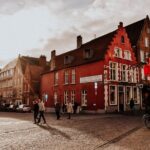
- Jan Van Eyckplein: Old Harbor Energy and Square Composition
- Groenerei: A Guided Stand-Here Moment That Changes Everything
- Vismarkt: From Fish Market Past to Photo Worthy Corners
- Huidenvettersplein (Tanners’ Place): Craft History in a Small Frame
- Rozenhoedkaai / Quai du Rosaire: Bruges’ Most Photographed View, Done with Purpose
- Nepomucenusbrug: The Final “Only Pros See” Frame
- The Photography Coaching That Makes the Difference
- Value Check: Does $47.50 Make Sense for a 2-Hour Walk?
- Who Should Book This Photo Tour
- Should You Book the Bruges Jan van Eyck Photo Tour?
- FAQ
- How long is the Jan van Eyck photo tour in Bruges?
- Where does the tour start and end?
- How much does it cost?
- How big is the group?
- Is a mobile ticket used?
- What should I do if the weather is poor?
Key Highlights to Expect on This Bruges Photo Tour
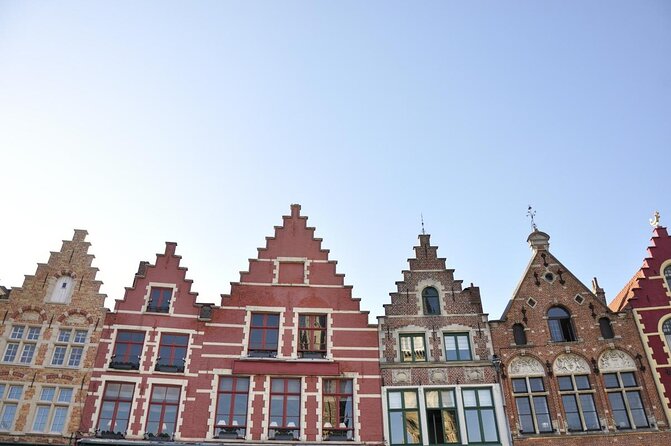
- Small-group feel (max 12), which makes it easier to get personalized shooting advice
- Rozenhoedkaai / Quai du Rosaire as the star viewpoint you’ll hit on purpose, not by luck
- Jan van Eyckplein and the old harbor vibe, helping you photograph Bruges with context
- Focused stops at places like Vismarkt and Huidenvettersplein, where architecture tells stories
- A final “pro-style” frame at Nepomucenus Bridge, built around a last photo moment
The Real Reason This Jan van Eyck Photo Tour Works
Bruges can be overwhelming with its canals, brick lanes, and postcard angles. This tour is helpful because it keeps you pointed in the right direction and ties your camera positions to what’s happening in the scene. Instead of wandering and hoping, you’re guided through the parts of town that naturally photograph well.
I also like that it’s not just about scenery. The guide adds history while you’re there, so your photos carry more than just a pretty view. When you understand why Poorters Loge, the fish market area, or the tanners’ place mattered, you’ll photograph with more intent.
The other practical win is that you don’t need a map. You’re following a route with a clear start and end, so you can spend your energy on composition, not on figuring out which bridge comes next.
You can also read our reviews of more photography tours in Bruges
Meeting at Historium BrugesMarkt and a 2-Hour Rhythm You Can Handle
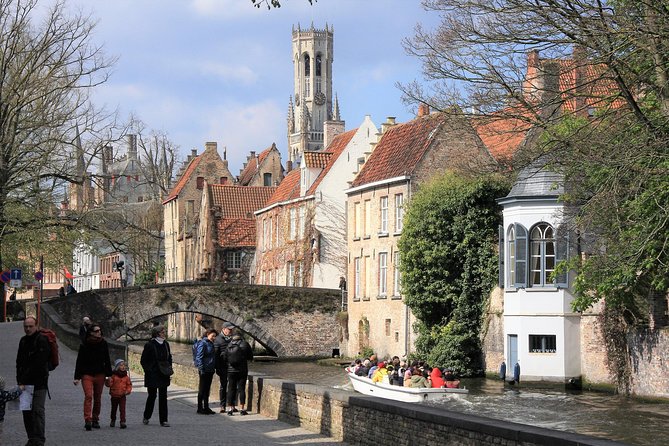
The walk starts at Historium BrugesMarkt 1 at 1:30 pm, and you end at Nepomucenus Bridge on Dijver, with the endpoint about 200 meters from the start area. That “finish close-ish to where you began” design is underrated. You get variety without needing long travel time between far-flung neighborhoods.
The total duration is about 2 hours, which means there’s time for multiple photo stops but not enough time for a slow, wandering pace. Some of the sessions are short (like a few minutes at Vismarkt), while others run longer (Groenerei and Jan van Eyckplein). The rhythm matters because it teaches you how to work with quick photo windows.
Group size is capped at 12, and that’s a big reason people call it intimate. With fewer people, you’re more likely to ask questions and get direct feedback on positioning.
Stop at Poorters Loge (Burghers’ Lodge): When Buildings Become Subjects
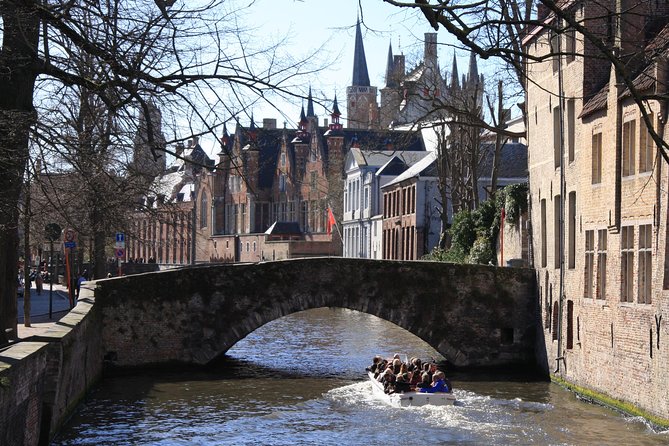
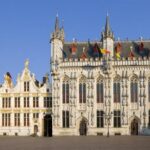
Your first featured stop is Burghers’ Lodge, also known as Poorters Loge. This is framed as the first office building in the world, which instantly gives the architecture a story. Even if you only spend about 3 minutes here, it’s a strong early anchor because it pushes you to look upward and around, not just at canals.
This kind of stop is great for improving your photo instincts. Early in a tour, you’re still warming up. By giving you a landmark with strong structure, the guide helps you switch from casual snapshots to more deliberate framing.
A small practical note: because the stop is short, you’ll want to have your camera ready. If you’re fiddling with settings or stuck checking your bearings, you’ll miss the best moment.
Jan Van Eyckplein: Old Harbor Energy and Square Composition
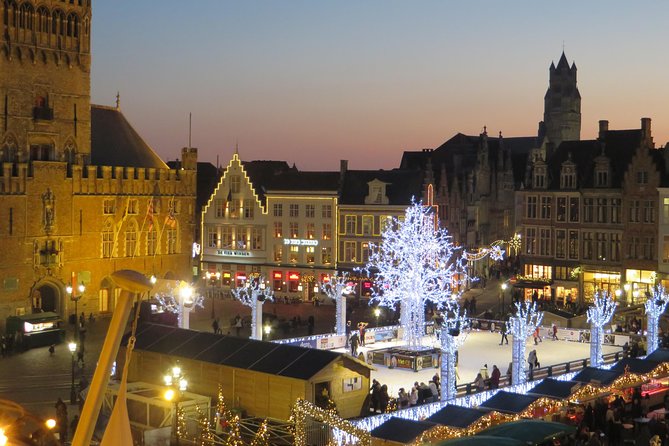
Next comes Jan Van Eyckplein, where the medieval harbor activity is the focus. This stop is longer than some of the others (around 15 minutes), which gives you time to try different angles. In a square like this, I find it’s easier to practice composition because you can control your viewpoint and wait for the scene to settle.
Think of this as a chance to photograph Bruges like a real city, not a museum. The history connected to the harbor gives context to the buildings and makes the “wide view” shots feel earned.
Potential drawback: if you’re expecting total quiet, this area can still feel active because it’s part of the historic center. Your best photos will come from stepping slightly aside, shooting through lines, and using the buildings to break up the frame.
Groenerei: A Guided Stand-Here Moment That Changes Everything
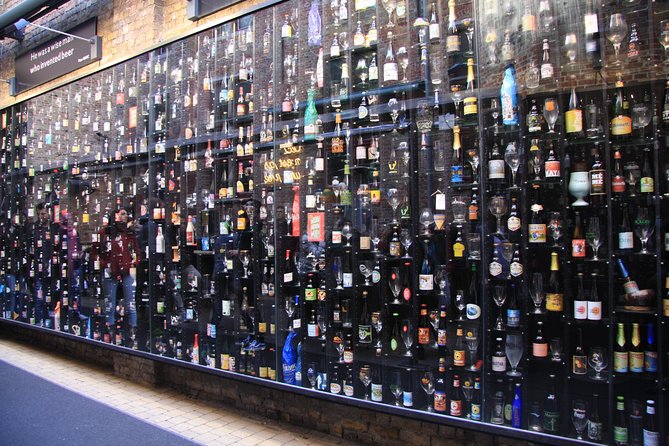
Groenerei is where the tour leans into the “stand on a special spot” approach. You spend about 15 minutes here, and the guide is described as setting you up for a surprise. That wording usually translates to one thing in photo terms: you’re likely to be positioned for a better view than you’d find on your own.
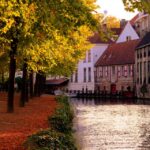
This stop is valuable because it trains you to seek viewpoint logic. Instead of chasing random angles, you learn how a small move can change reflections, canal framing, and how foreground and background interact.
Also, there’s a hint from people’s experiences that some sections feel quieter, which helps you avoid constant crowd interruptions. That matters for canal photography, where you often want clean water and uncluttered reflections.

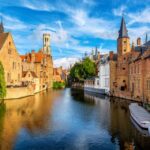
Vismarkt: From Fish Market Past to Photo Worthy Corners
At Vismarkt, you’re looking at the former fish market area. The stop is brief (around 5 minutes), but it’s still worth treating like a real assignment: find the lines, notice the signage or building edges, and capture details that show the area’s old purpose.
Market history gives you a theme. When you know it was a big fish market, you’ll naturally look for the “where people came and traded” feeling. Your photos won’t look like you just photographed a street; they’ll look like you photographed a place with a job.
Because this is a short stop, don’t plan on trying to take every possible shot. Pick 2-3 strong compositions and move with the group.
Huidenvettersplein (Tanners’ Place): Craft History in a Small Frame
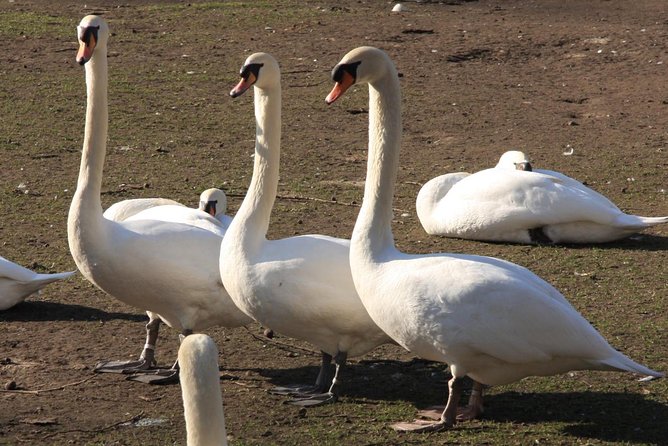
Huidenvettersplein, known here as the Tanners’ Place, is another quick stop (about 5 minutes). Tanners are not just a trivia topic. They’re part of why many medieval cities had their trades concentrated where water was nearby. In photo terms, that means you can connect the canal-and-stone vibe to how the city worked.
I like these trade-story stops because they prevent Bruges photos from becoming one-style postcards. Instead of everything being about bridges and canals, you add texture: buildings and streets that reflect how people lived and worked.
Quick heads-up: since the stop is short, keep your gear simple. If you’re changing lenses repeatedly, you’ll feel rushed.
Rozenhoedkaai / Quai du Rosaire: Bruges’ Most Photographed View, Done with Purpose
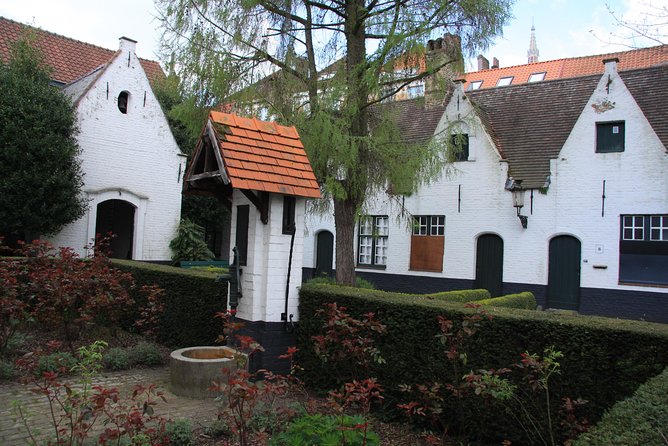
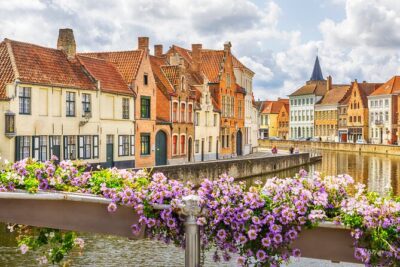
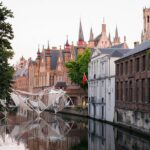
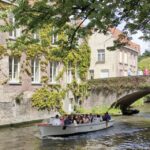
Now you reach the part many people actually come for: Quai du Rosaire / Rozenhoedkaai. This is described as without a doubt the most photographed view of the city, and you’ll spend about 5 minutes at the viewpoint area.
Here’s the value: the tour doesn’t just bring you to a famous spot. It brings you at the right moment in the route, with a guide who can suggest where to stand. That’s the difference between a basic photo and something that feels composed.
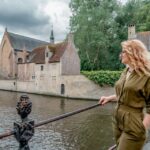
This is also the stop where you can practice reflection discipline. You’ll often want to frame the scene so water shapes the composition rather than turning into a messy backdrop. In a canal city, reflection is both an opportunity and a risk.
A practical caution: famous viewpoints can attract photographers. Your best strategy is to follow the guide’s stand point quickly, take your shots, and then experiment within the small area you’re given. Don’t drift far and lose time.
Nepomucenusbrug: The Final “Only Pros See” Frame
The final stop is Nepomucenusbrug. You’ll make the last picture here, described as one that only professionals see. In a walking tour, that usually means you’ll be guided to an exact perspective, likely one that aligns the bridge, canal, and surrounding buildings in a cleaner way.
You spend about 5 minutes at this stop, and it’s also where the tour ends. This final-photo focus is smart. Most groups rush out of the last location. Here, you’re told it matters, so you’re more likely to take a considered shot instead of a tired snap.
If you want one takeaway from this stop, it’s this: don’t save all your camera energy for the most famous view. Use your momentum to get a last frame that’s different—often tighter, more aligned, and more intentional.
The Photography Coaching That Makes the Difference
The tour description promises advice on taking great photos, and that’s exactly what turns a sightseeing walk into a photo walk. You’ll get guide commentary as you go, plus insider tips on where the photogenic spots are and how to work them.
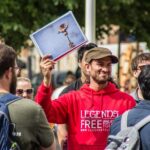
From what people highlight after the walk, the guidance isn’t just technical. It’s practical and local. The guide, often referred to as Ivan, blends humor and city love with stories that explain why locations look the way they do. That mix helps you see scenes with more meaning, which makes your photos look better because you’re paying attention to details.
In a small group, you can also ask questions. People mention one-to-one chats because there are only a few participants. That matters if you’re trying to figure out what to shoot: wide angles, bridge views, street details, or canal reflections.
And yes, this tour can be a bit tiring in the best way. Short stops plus waiting for the right view can add up. If you know you’ll be restless standing still, bring a water bottle and a calm mindset.
Value Check: Does $47.50 Make Sense for a 2-Hour Walk?
At $47.50 per person for about 2 hours, this is priced like a curated, guided experience rather than a basic city stroll. Whether it’s a good value depends on what you want.
If you want a route with built-in “photo assignment” stops, this is a fair trade. You get multiple landmark locations, plus photography advice, plus access included where noted at several stops. You also get the benefit of a small group size, which can save you time trying to figure out viewpoints on your own.
If you already know Bruges well and you prefer wandering solo, you might feel the price is less justified. But if you want to improve your results without turning the day into a scavenger hunt, the structure helps.
The biggest value lever is the guide’s role. The price covers more than walking. It covers local knowledge and the kind of “stand here” guidance that you rarely get when you’re just following your own route.
Who Should Book This Photo Tour
This is a great match if you:
- want a guided path through Bruges’ most camera-friendly areas
- enjoy learning stories tied to what you’re photographing
- like small groups and the chance to ask questions
- want a plan for a short time in Bruges without stress
It’s also a solid option if you’re traveling with family or friends who want history and photos, not just museums. One memorable detail from experiences: Ivan is described as funny and city-loving, and he’s also known for sharing extra material like a city guidebook by email after the tour.
Who might hesitate? If you have limited stamina, the tour’s short “stop-and-go” schedule can feel like work. Also, because it’s weather-dependent, you should be ready for light changes or rerouting if conditions aren’t good.
Should You Book the Bruges Jan van Eyck Photo Tour?
I’d book it if you want better Bruges photos with less guesswork. The lineup of stops hits the city’s strong visual themes: harbor history at Jan Van Eyckplein, canal framing at Groenerei and Rozenhoedkaai, and a final bridge perspective at Nepomucenusbrug. The small-group cap and ongoing photo tips are the difference-maker.
I wouldn’t book it if your goal is only casual sightseeing and you hate standing still waiting for the right shot. Also, if your schedule is locked and bad weather would break your day, remember the tour requires good conditions.
Bottom line: for $47.50, you’re paying for structure, viewpoint guidance, and a guide like Ivan who turns famous scenes into something you can photograph with intention.
FAQ
How long is the Jan van Eyck photo tour in Bruges?
The tour lasts about 2 hours.
Where does the tour start and end?
It starts at Historium BrugesMarkt 1, 8000 Brugge, Belgium, and ends at Nepomucenus Bridge on Dijver, 8000 Brugge, Belgium.
How much does it cost?
The price is $47.50 per person.
How big is the group?
The maximum group size is 12 travelers.
Is a mobile ticket used?
Yes, it includes a mobile ticket.
What should I do if the weather is poor?
This experience requires good weather. If it’s canceled due to poor weather, you’ll be offered a different date or a full refund.
If you want, tell me when you’re visiting Bruges (month and time of day) and what you’re shooting with (phone, compact, DSLR). I can suggest how to plan your camera time around the best light for these exact stops.