REVIEW · BRUGES
From Bruges: Flanders Fields Remembrance Full-Day Trip
Book on GetYourGuide →Operated by BRUSSELS CITY TOURS · Bookable on GetYourGuide
A WWI day trip that hits hard. This full-day drive from Bruges into Flanders Fields connects the story step by step, from the first German gas attack memorial stops to the museum and, later, the Last Post Ceremony at Menin Gate. What I like most is how the tour ties locations to specific war moments, and how the guide keeps the facts human without turning it into a lecture.
The main thing to plan for is the schedule: it’s a long day with limited time at each site, so you’ll want to be ready to move, stand, and absorb on the go.
In This Review
- Key Points You’ll Care About
- WWI From Bruges: What Makes This Tour Worth Your Time
- Getting There: Coach Ride, Meeting Point, and Your Best Game Plan
- German Cemetery, Trenches, and the Brooding Soldier Story
- Ypres Break and the In Flanders Fields Museum (70 Minutes Guided)
- Passchendaele Battlefield and Tyne Cot: The Scale of Loss
- Essex Farm and Dr. John McCrae: Why the Poem Still Matters
- Menin Gate at 8pm: Last Post Ceremony Finale (With Restoration in Mind)
- Price and Value vs. DIY: What $91 Buys You
- Who Should Book (and Who Might Prefer Something Else)
- Should You Book This WWI Day Trip From Bruges?
- FAQ
- How long is the Flanders Fields Remembrance full-day trip?
- What does the tour cost?
- What’s included in the price?
- Is lunch included?
- What happens in the evening at Menin Gate?
- Where do I meet the group in Bruges?
- Is this tour in English?
- Is the In Flanders Fields Museum visit included?
- Is the tour suitable for wheelchair users or limited mobility?
- What’s the cancellation policy?
- Can the tour be canceled if too few people book?
Key Points You’ll Care About
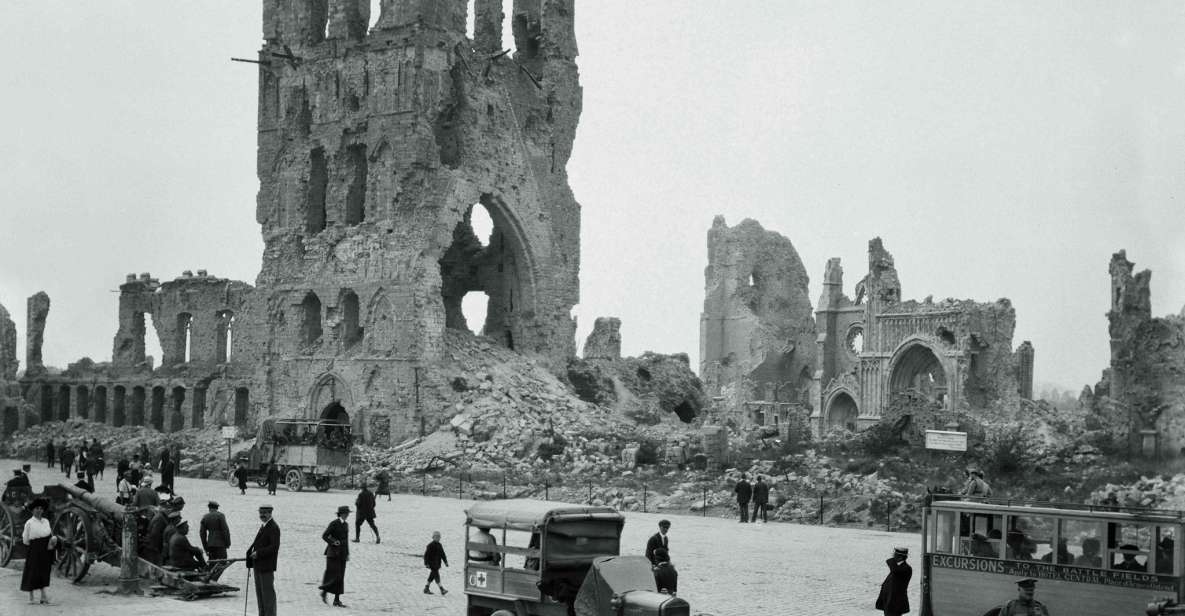
- 8pm Menin Gate Last Post Ceremony is built into the itinerary for a powerful ending
- Tyne Cot Cemetery is the largest Commonwealth cemetery in the world, with British, Irish, Australian, and Canadian soldiers
- In Flanders Fields Museum entry is included, with a guided tour portion
- Monument of the Brooding Soldier + Hill 60 connect the Canadian gas-attack sacrifice to Royal Engineers tunneling
- Essex Farm + Dr. John McCrae ties the battlefield to the poem In Flanders Fields
- Coach timing matters: the day is tightly packed, and some stops can feel rushed
WWI From Bruges: What Makes This Tour Worth Your Time
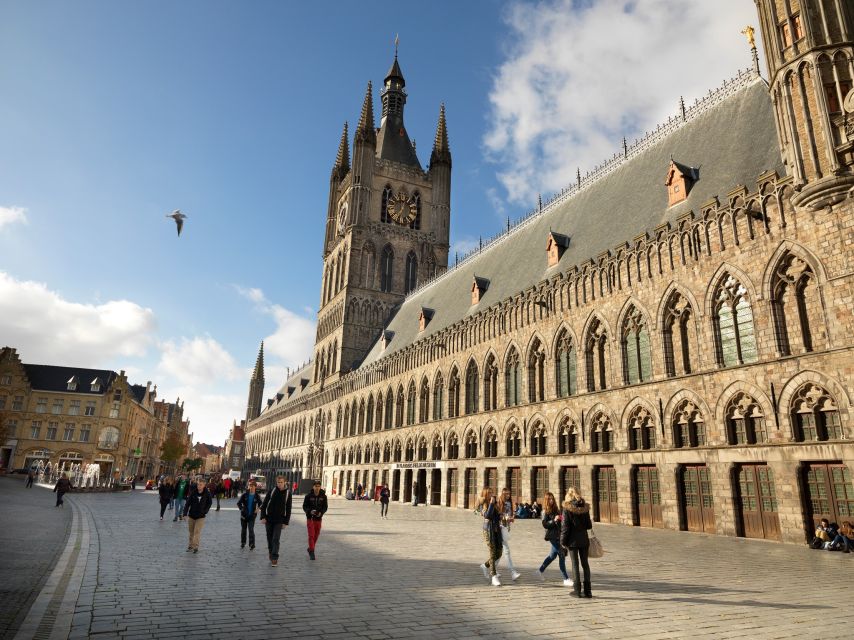
This tour is for you if you want the First World War story in the real places where it happened, not just in a book. You start with the big picture—how events led to the war and how the disaster developed—then you gradually step into the specific sites that shaped the fighting in Flanders.
I like that the day doesn’t treat cemeteries as a checklist. The itinerary includes a very moving German cemetery stop, then takes you to trench sections and memorials, and only later shifts into the visitor-focused sites like the museum. That flow makes the emotional impact build naturally, instead of hitting you all at once.
And yes, the last stop is the one people remember. The daily tribute at Menin Gate at 8pm gives the day a clean emotional landing: Commonwealth soldiers and officers who were missing after battle are honored there every evening.
You can also read our reviews of more tours and experiences in Bruges.
Getting There: Coach Ride, Meeting Point, and Your Best Game Plan
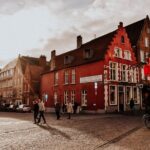
You’ll meet at Bargesquare / Bargeplein—the bus parking area by the public bathroom, under a large red canopy/roof. It’s simple once you spot it, but don’t leave it to the last second.
The day runs about 10 hours, including roundtrip coach time. You get a bus ride (about an hour each way), plus time for visits, a lunch break, and the 8pm ceremony. That matters because this isn’t a relaxed “wander at your pace” outing. It’s more like a guided walk through a sequence of battle-era locations.
A practical tip: wear comfortable shoes. You’ll be spending time outdoors at memorials and cemeteries, and the tour isn’t recommended for people with limited mobility or wheelchair users. If you’re someone who gets worn out by long days, this one will still work—but you’ll feel it. A few reviewers also flagged that the bus can be noisy at times; if you’re sensitive to audio, consider bringing ear buds so you don’t miss the guide when you’re seated farther back.
German Cemetery, Trenches, and the Brooding Soldier Story
The day begins by setting context en route, with your guide explaining the chain of events that led to the First World War and how the disaster unfolded. This is useful because it gives meaning to what you’ll see later, from memorials to cemetery names.
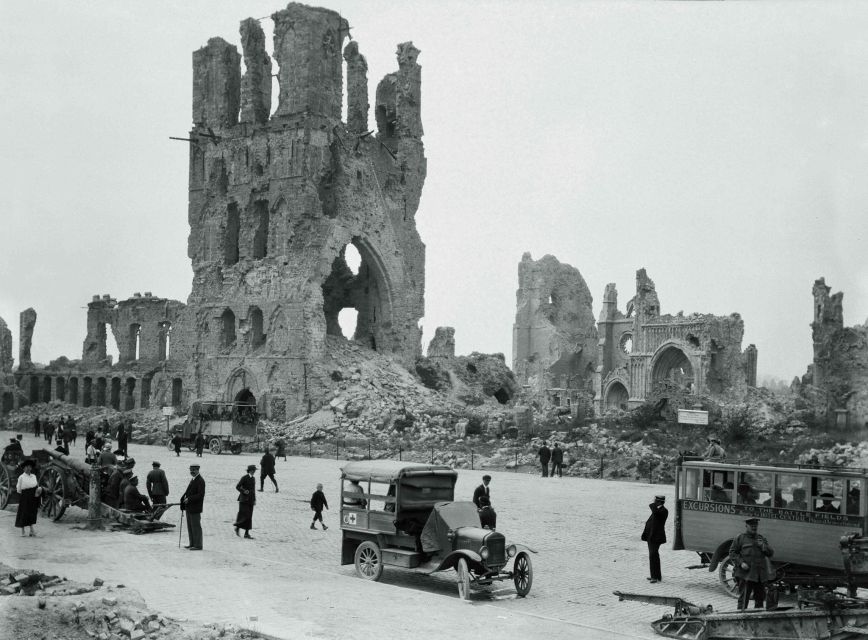
Early on, you stop at a German cemetery that the tour describes as very moving. Then you drive to a section of WW1 trenches. Even if you’re not a military history person, trench lines help you understand what “war” meant on the ground: cramped, brutal, and drawn out.
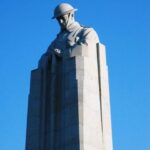
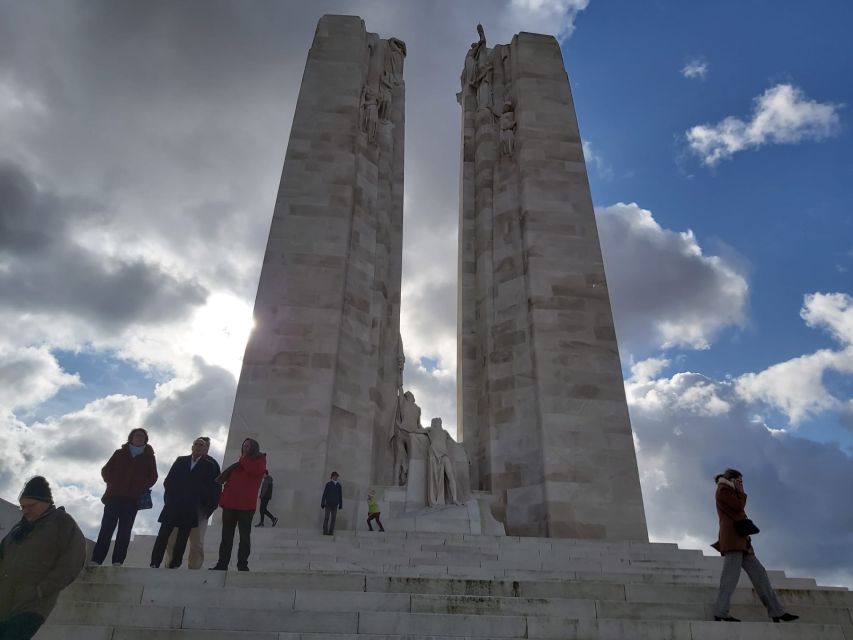
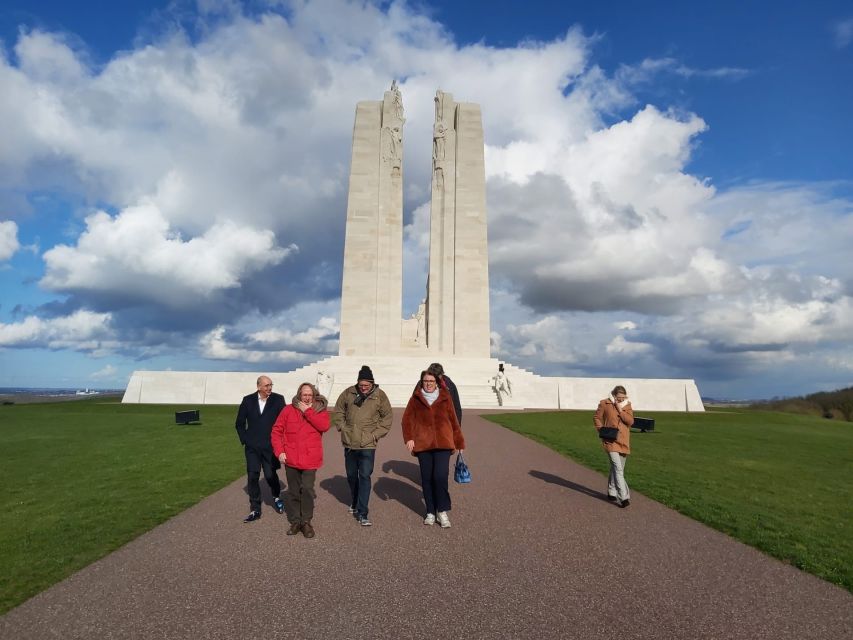
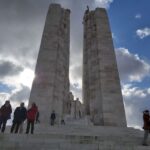
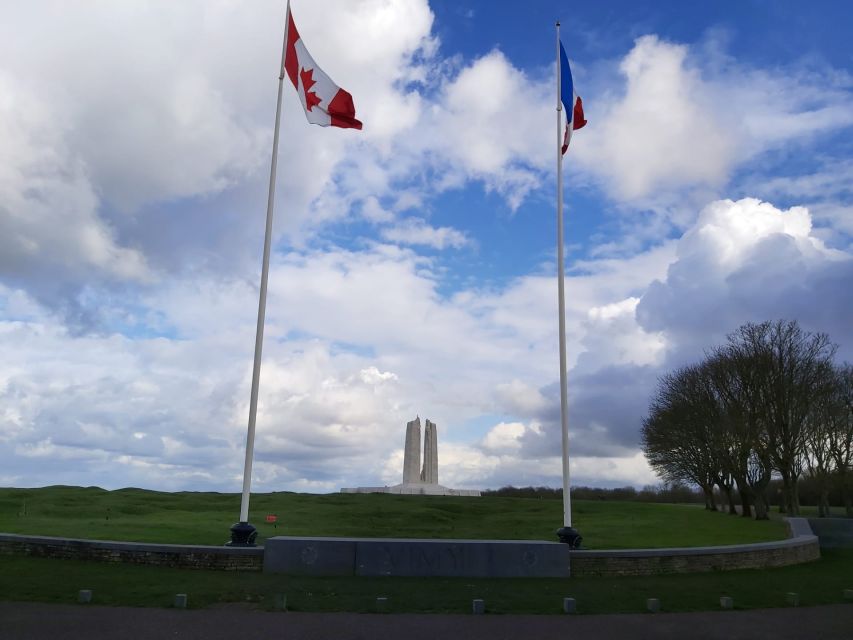
From there, the tour focuses on a Canadian connection you won’t forget: the Monument of the Brooding Soldier, built to commemorate the sacrifice of 2,000 Canadian soldiers during the first German gas attack. Close by is Hill 60, which had fallen into German hands, but was mined by tunneling companies of the Royal Engineers.
Why this matters: these stops don’t just show symbols. They connect strategy (gas attack, tunneling) to specific human cost. It’s also where the guide’s style becomes important. Some guides running this trip—names like Diederick, Stefan, Derek, Johannes, and Dietrich show up in reviewer notes—are praised for keeping the tone respectful and clear, so the story lands without becoming graphic or sensational.
Ypres Break and the In Flanders Fields Museum (70 Minutes Guided)
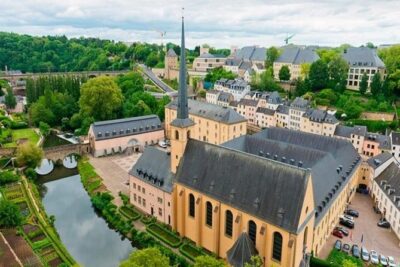
After the trench and memorial stops, you get lunch time in Ypres, then head to In Flanders Fields Museum. This is one of the best values on the itinerary because it adds depth you can’t get from just standing in the open air.
The tour includes a guided portion of the museum experience (about 70 minutes). You’ll hear touching stories behind four years of trench war—stories that help connect the places you’ve visited to the people who lived and died there.
Here’s the trade-off: a few reviews noted the museum time can feel tight if you want to read every panel and browse slowly. That doesn’t mean the museum isn’t worth it. It just means you should treat this as the guided highlights tour. If you love museums and want maximum reading time, plan to come back to the area another day on your own.
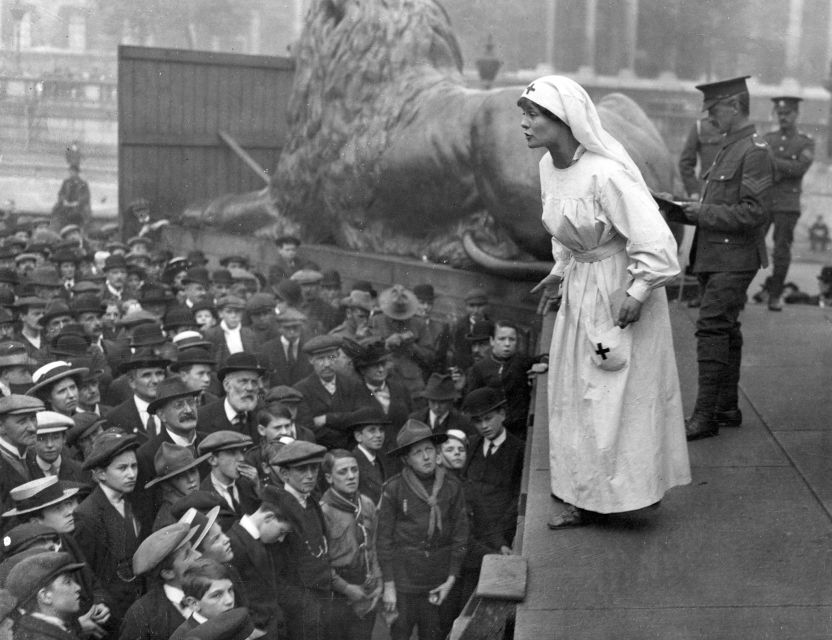
Also, one reviewer suggested the tour doesn’t emphasize roles like nurses and women in the war. If those perspectives are important to you, you might want to add your own reading before you go, so you’re not relying on the day trip alone for that angle.
Passchendaele Battlefield and Tyne Cot: The Scale of Loss
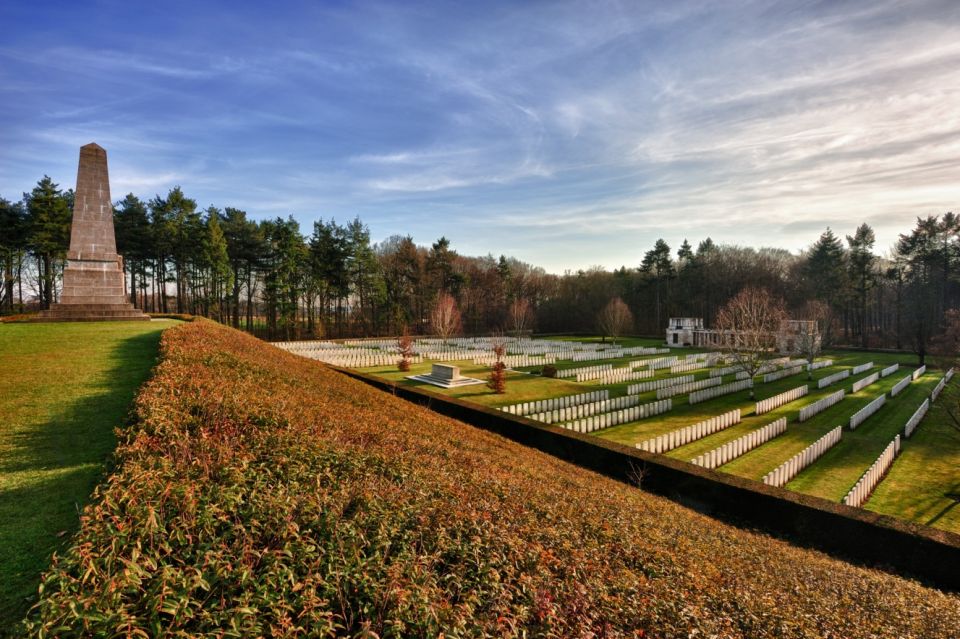
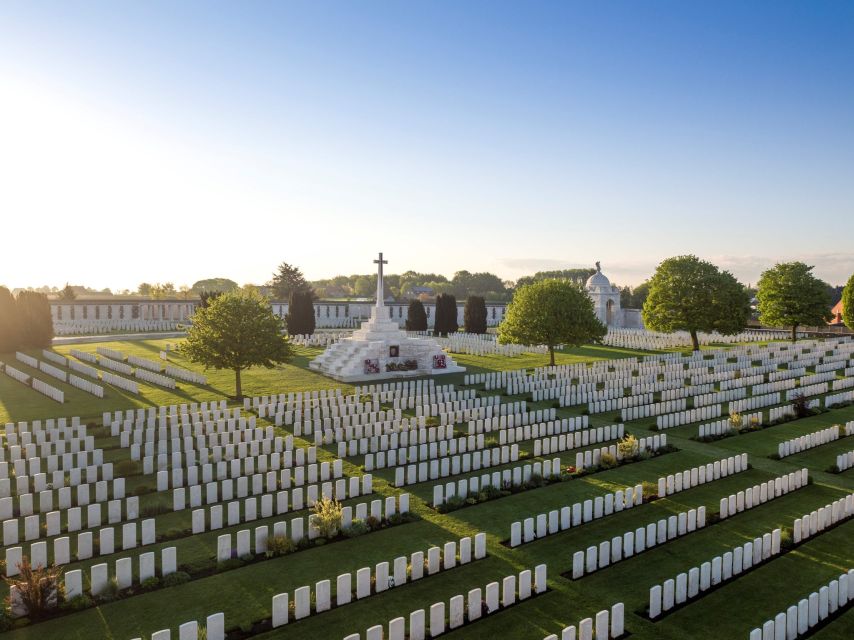
Next comes the battlefield portion at Passchendaele, followed by time at Tyne Cot Cemetery. The cemetery is described as the largest Commonwealth cemetery in the world, with soldiers resting there from Britain, Ireland, Australia, and Canada.
Tyne Cot is where the tour becomes very still. Cemeteries like this don’t need big explanations once you’re there, but your guide’s job is to keep names and context from turning into a blur. The way this itinerary is built helps: you already saw trenches and memorials, so the cemetery doesn’t come out of nowhere. It feels like the closing chapter to what you’ve been shown.
A small consideration: cemetery time is meaningful, but it can’t be infinite on a 10-hour schedule. If you want long browsing, bring the mindset of savoring the “big sections” rather than trying to photograph every plot line. You’ll have enough time to absorb, but not enough to do it like a solo day trip.
You can also read our reviews of more tours and experiences in Bruges
Essex Farm and Dr. John McCrae: Why the Poem Still Matters
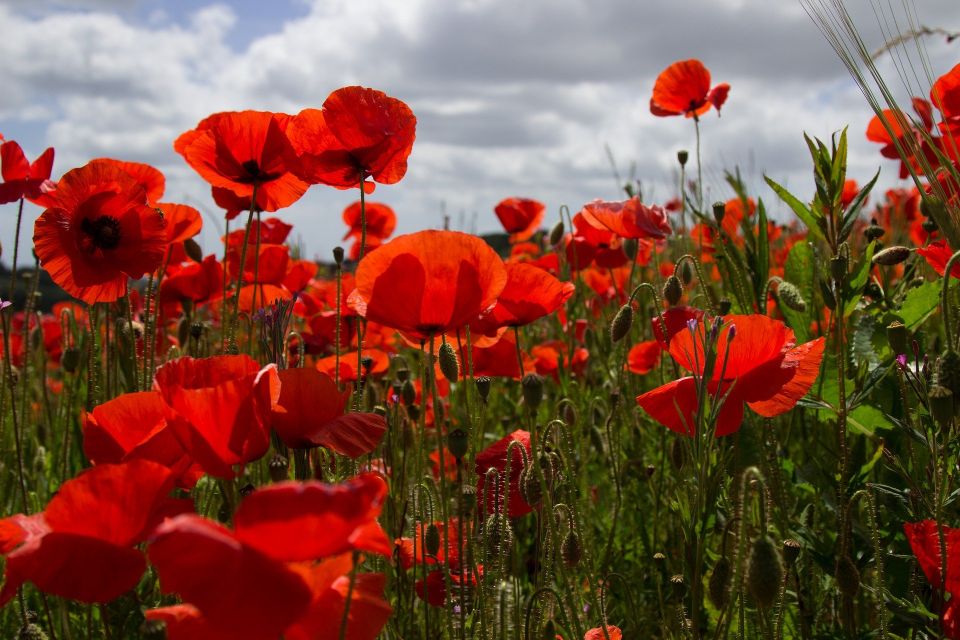
The itinerary includes Essex Farm, described as the field hospital where Canadian field surgeon Dr. John McCrae wrote the poem In Flanders Fields. That connection is a key reason this tour feels more than just military sightseeing.
When you see the location tied to the poem, the text stops being a line from a textbook. It becomes part of the lived wartime world—something written in the middle of the chaos, not long after everything was over.
After this, the coach returns you toward Ypres, with time for a quick snack before the evening ceremony. That break is more important than it sounds. By the time you’re heading toward 8pm at Menin Gate, you’ll be emotionally spent and physically tired, and a little fuel helps you stay present instead of just surviving the schedule.
Menin Gate at 8pm: Last Post Ceremony Finale (With Restoration in Mind)
Then you arrive at Menin Gate for the Last Post Ceremony at 8pm. The tour frames it as a daily tribute to all Commonwealth soldiers and officers missing after battle. This is one of those experiences that’s hard to categorize as entertainment. It’s a ritual, and the purpose comes through quickly.
There’s also a practical note: Menin Gate has restoration works underway until mid-2025, and that can affect the view. One review mentioned the gate being covered in scaffolding and that the crowd composition leaned toward cadets and civilians. That may or may not match what you’ll see, but it’s smart to accept that the setting could look different than you imagined.
What helps is the structure: a short coach ride, a defined visit block, and a ceremony you don’t have to figure out on your own. This is a big reason I like guided tours for memorial events—your effort goes into paying attention, not chasing logistics.
Price and Value vs. DIY: What $91 Buys You
At about $91 per person for a 10-hour day, the value isn’t just the coach ride. You’re also paying for:
- A live guide who explains how the war developed and ties that to the exact stops
- Transportation that handles the routing and timing between dispersed sites
- Included entry to In Flanders Fields Museum (which is a real cost saver compared to piecing it together)
If you try to do this independently from Bruges, you’ll likely spend time figuring out trains/buses, then time waiting around, then time coordinating museum and cemetery visits before racing to Menin Gate. This tour reduces that stress with a single day plan and a guide to interpret what you’re seeing.
The main cost is time and flexibility. You’re not choosing how long to linger at each place. And for some people—especially those who want to read everything at the museum or soak longer at Tyne Cot—that can feel limiting. But if you want a guided overview that’s heavy on the key sites, this price looks fair.
Who Should Book (and Who Might Prefer Something Else)
This tour is a great fit if you:
- Want a guided, structured introduction to major First World War sites in Flanders
- Care about Commonwealth war history and locations tied to Canada, especially the Brooding Soldier and In Flanders Fields connection
- Like the idea of ending the day with the 8pm Menin Gate ceremony
It’s not the best match if you:
- Have mobility limitations or need wheelchair-friendly access (the tour is not recommended for this)
- Want a slow, unhurried day with long independent time at each stop
- Want extensive coverage of topics beyond military sites and major memorial stories (for example, additional attention to roles like nurses may not be front and center)
Should You Book This WWI Day Trip From Bruges?
Yes—if you want one day that does the heavy lifting for you. The best part is the way the tour turns the war into a sequence you can follow: trenches and cemeteries, memorials like the Brooding Soldier, a major museum stop, Tyne Cot, Essex Farm and Dr. John McCrae, and then the Last Post at Menin Gate.
Book it with open eyes about the schedule. This is a long day with limited time at each site, and that can make it feel busy near the end. If that trade-off is okay—and you’re okay standing, walking, and paying attention—this is one of the strongest “from Bruges, see the core WWI sites” choices around.
FAQ
How long is the Flanders Fields Remembrance full-day trip?
It runs for about 10 hours.
What does the tour cost?
The price is listed as $91 per person.
What’s included in the price?
Included items are roundtrip coach transportation, a live English guide, and entry to the In Flanders Fields Museum.
Is lunch included?
No. Lunch is not listed as included. The schedule includes a lunch stop window.
What happens in the evening at Menin Gate?
You attend the Last Post Ceremony at Menin Gate at 8pm.
Where do I meet the group in Bruges?
You meet at Bargesquare/Bargeplein, at the bus parking spot. You can wait under the large red canopy next to the public bathroom.
Is this tour in English?
Yes, the tour is offered in English.
Is the In Flanders Fields Museum visit included?
Yes. Museum entry is included, with a guided tour portion during the stop.
Is the tour suitable for wheelchair users or limited mobility?
No. It is not recommended for people with limited mobility, and it is not suitable for wheelchair users.
What’s the cancellation policy?
Free cancellation is available up to 24 hours in advance for a full refund.
Can the tour be canceled if too few people book?
Yes. The tour may be canceled if the minimum number of participants is not met.