REVIEW · BRUGES
Flanders Fields Remembrance Tour from Bruges
Book on Viator →Operated by Brussels City Tours - Keolis Travel · Bookable on Viator
WWI in Flanders has a way of shrinking your brain down to one truth. This Bruges-based Flanders Fields Remembrance Tour strings together cemeteries, preserved front-line spots, and the quiet ritual at Ypres’ Menin Gate. You’re not just looking at monuments—you’re being shown how the war unfolded, day by day, place by place.
I especially love the way the tour builds an emotional ladder: from the German cemetery at Vladslo, to the trench warfare sites near Diksmuide, then into the huge Commonwealth memorial grounds at the Ypres region. I also like that the day keeps steering you back to meaning, ending with the Last Post Ceremony—a simple daily tribute that hits harder after you’ve seen the scale of loss. One possible drawback: it’s a long, packed day with many stops, and if the group size is larger than expected, it can get harder to hear every detail.
In This Review
- Key Things That Make This Tour Worth Your Day
- Why This WWI Day Trip Works So Well From Bruges
- Bruges to Vladslo: Germany Military Cemetery and Grieving Parents
- Diksmuide’s Trench of Death and the Brooding Soldier Commemoration
- Ypres Lunch and the Flanders Field Museum Before Hill 60
- Passchendaele and Tyne Cot: When Scale Turns Sobering
- Essex Farm Field Hospital and the Origin of In Flanders Fields
- Menin Gate and the Last Post Ceremony: The Moment Everyone Remembers
- Price, Time, and Group Size: What You’re Really Paying For
- Should You Book the Bruges Flanders Fields Remembrance Tour?
- FAQ
- What time does the tour start in Bruges?
- How long is the Flanders Fields Remembrance Tour?
- Is the tour in English, and do I get a ticket on my phone?
- Is lunch included in the price?
- What is the main ceremony at the end of the tour?
- What should I know about group size and comfort?
Key Things That Make This Tour Worth Your Day
- A guided route through key WWI sites starting in Bruges and moving across the Western Front
- Multiple cemeteries and memorial moments, not just one big stop
- Trench of Death and Hill 60, where the setting is part of the story
- Tyne Cot and the Commonwealth War Graves Cemetery, where numbers become real
- Guides like Stephen, Dedrick, Diederik Naeyaert, and Deidrich are repeatedly praised for respectful, clear explanations
- Last Post at the Menin Gate, the emotional finale built for daily remembrance
Why This WWI Day Trip Works So Well From Bruges
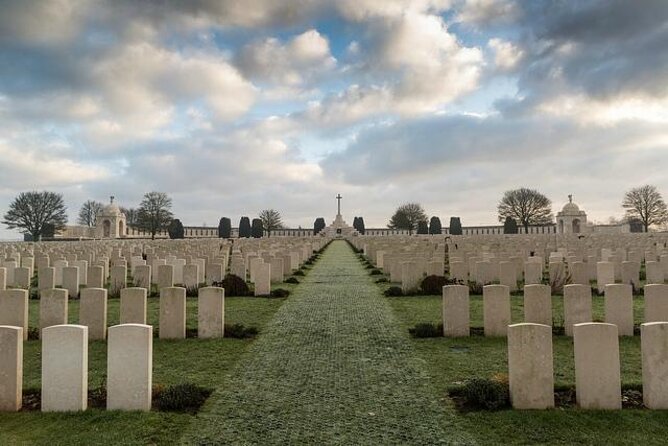
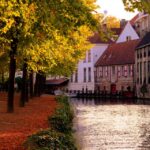
Bruges is a great place to stay for this kind of excursion because it keeps the logistics simple: you meet centrally, jump into an air-conditioned vehicle, and spend the day focused on one theme—World War I in Flanders.
What makes the day feel “complete” is the pacing of locations. You start by visiting burial grounds and memorial sculpture, then move toward battlefield sites that show what troops actually faced. By the time you reach Ypres for the museum time, the trenches and tunnels don’t feel like random ruins—they make sense. You also get built-in reflection, since several stops are designed for quiet respect rather than quick photo ops.
One more practical point: this tour is listed for moderate physical fitness, so plan for standing and walking across cemetery paths and battlefield memorial areas. If you know you’ll tire fast, bring water, wear grippy shoes, and be okay with “slow sightseeing” at sites that are emotionally heavy.
You can also read our reviews of more tours and experiences in Bruges.

Bruges to Vladslo: Germany Military Cemetery and Grieving Parents
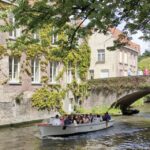
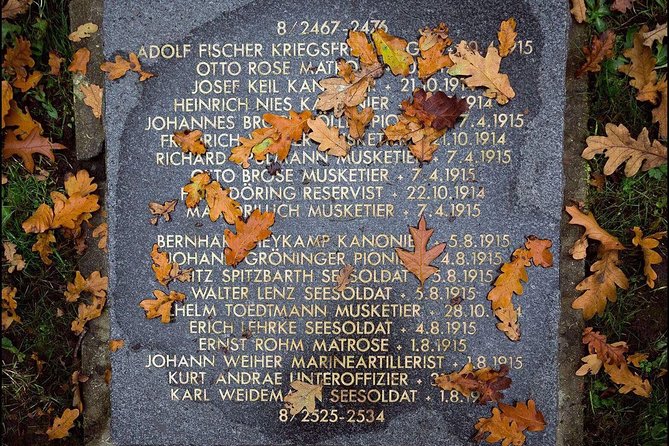
The day starts with a drive out of Bruges toward Vladslo, where you’ll visit the Germany Military Cemetery. This is the kind of place that reminds you WWI casualties weren’t one-sided. The tone here is set early: the cemetery grounds are solemn, and you’ll spend time looking at the rows and the memorial details.
One of the strongest elements at this stop is the Grieving Parents sculpture by Käthe Kollwitz. It’s the sort of artwork that translates history into lived grief. You don’t need a lecture to understand what it’s saying. Seeing it before you tackle trench and battlefield sites is smart, because it gives you emotional context before the tour starts describing tactics and offensives.
Why I think this stop matters: later, you’ll learn about gas attacks, trench systems, and the machinery of war. Starting with a memorial for the dead helps you keep the human scale in mind as the day gets more technical and intense.
Diksmuide’s Trench of Death and the Brooding Soldier Commemoration
After Vladslo, the route heads toward Diksmuide, where you’ll get out for Trench of Death, a stretch of the Western Front associated with soldiers’ end-of-line reality. This is not a battlefield museum with glass cases. It’s the actual feel of a front-line region—flat ground, memorial markers, and the sense that soldiers had nowhere to hide.
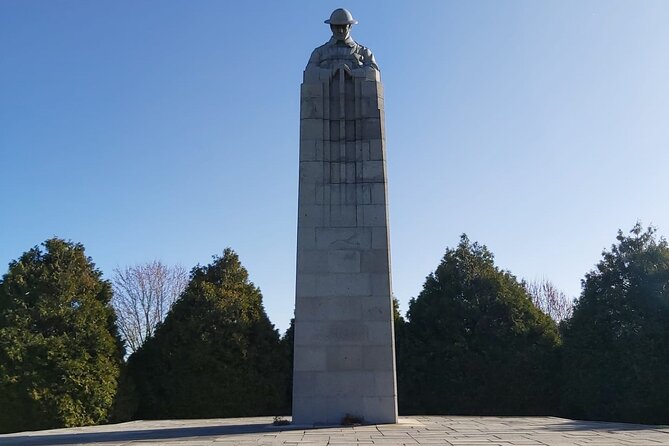
Near there, you’ll also see the statue of the Brooding Soldier, created to commemorate the sacrifice of 2,000 Canadian soldiers during the first German gas attack. That detail gives the stop a sharp historical edge. You’re not only looking at a generic war memorial; you’re connecting a named group and a specific moment to a physical marker in the landscape.
The potential drawback here is timing and pace. Because the day is structured around many sites, you won’t have endless time for every stop to sink in. If you tend to linger (which I recommend at cemeteries), keep your expectations realistic: this tour is designed to pack meaning into a single day, not to slow down for one location forever.
Ypres Lunch and the Flanders Field Museum Before Hill 60
Once the tour reaches Ypres, you’ll take a break with a plowman-style lunch at a local restaurant. Lunch isn’t just fuel here—it’s where the day shifts from “battlefield mode” into “understand mode.” It gives you a chance to reset your head before the museum work.
Then comes the Flanders Field Museum, with time for you to see exhibitions and learn the story of the war. You’ll also hear the war story via an audio guided component. That combo tends to work well: you get artifacts you can look at, and you get explanations that connect those objects to what happened outside the cases.
After the museum, you head up to Hill 60 to see tunnels used during the fighting. This stop often feels like a reality check. Trenches are one thing, but tunnels mean soldiers dealt with darkness, cramped movement, and constant danger in spaces you can’t fully picture until you’re at the site.
Tip for getting more out of Hill 60: listen closely to the guide’s explanation during the walk and the viewing points. The tour’s emotional tone stays respectful, but the details are what help you make sense of why those structures mattered.
Passchendaele and Tyne Cot: When Scale Turns Sobering
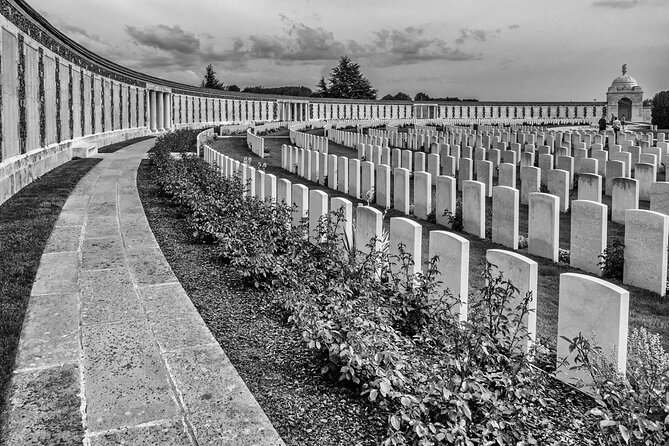
Next the day moves toward Passchendaele, including time at the Passchendaele New British Cemetery. This cemetery stop works as a bridge between earlier memorials and the bigger Commonwealth sites later. You’ll be in the same general war world, but the tone changes as the tour widens its focus.
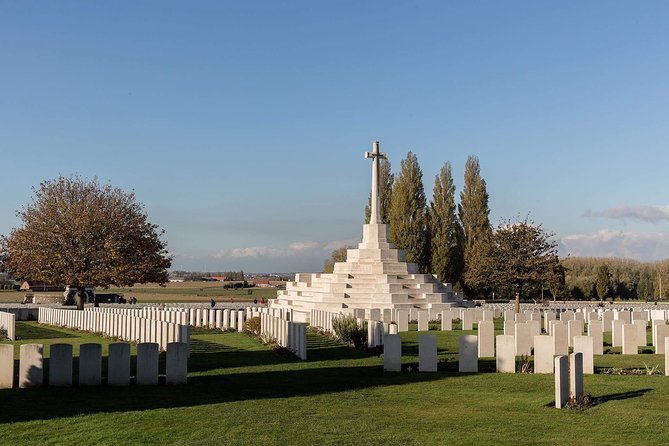
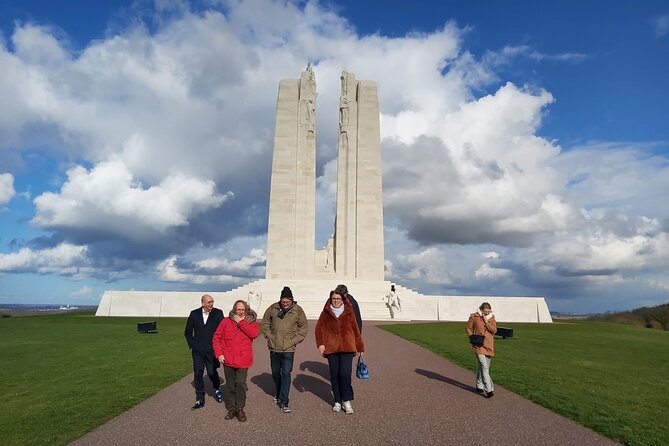
Then you’ll call at Tyne Cot, described as the world’s largest Commonwealth cemetery. The scale here is the point. Rows, repetition, and the sheer number of graves do a kind of math that feels impossible until you stand in front of it. The tour also highlights the Commonwealth War Graves Cemetery with 35,000 solemn headstones, and learning the global significance of this memorial area adds weight to what you’re seeing.
A smart way to experience Tyne Cot is to slow your pace on the first pass, then pick one or two details to focus on—names, ranks, dates—rather than trying to absorb everything. If you try to read every headstone, your brain will hit overload and you’ll lose the emotional meaning.
A practical note from the tour format: this is a packed day, so you may want to plan for quick bathroom breaks and water before you reach the biggest walking areas.


Essex Farm Field Hospital and the Origin of In Flanders Fields
After the larger Commonwealth grounds, you shift to a more specific, famous literary connection: Essex Farm Field Hospital. This is where Dr. John McCrae wrote the poem In Flanders Fields.
That’s a powerful pairing because it turns abstract loss into language. You’ve spent hours seeing memorials tied to particular offensives and units, and then you get the poem’s origin tied to a real field hospital location. It’s one of those moments where history feels like it has a direct line to culture.
The stop is short, but it’s focused. Even at 15 minutes, it can work well because you’re not asked to “tour everything.” You’re there to connect place with text, and then carry that understanding to the final ceremony.
If you’re a poetry person, bring your own copy of In Flanders Fields or save the text in your phone for later comparison. The tour gives you the location; your mind finishes the rest.
Menin Gate and the Last Post Ceremony: The Moment Everyone Remembers
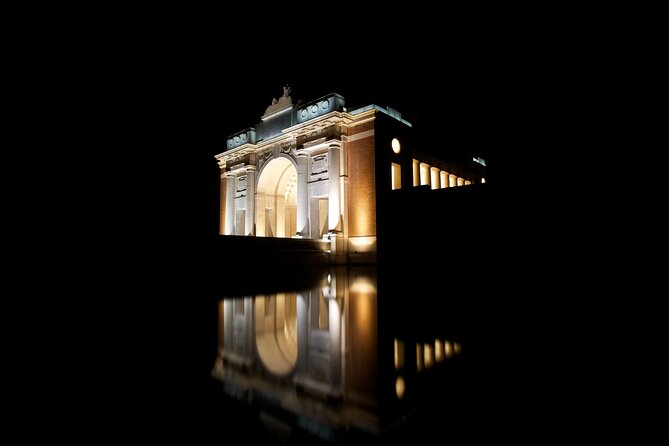
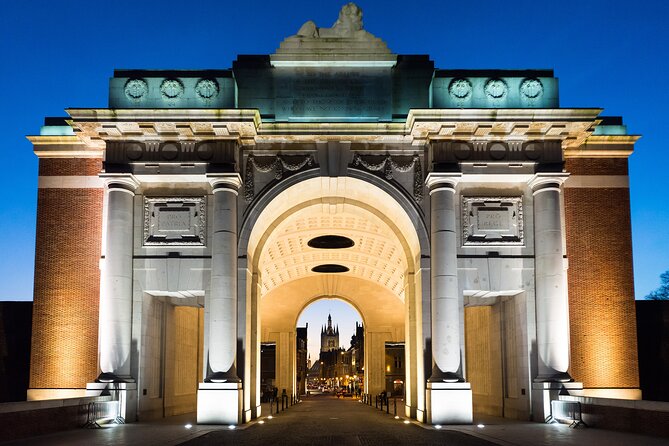
The finale is the Last Post Ceremony at Ypres Menin Gate. This is the highlight many people remember because it’s daily, simple, and public—an act of remembrance that continues regardless of weather, crowds, or schedules.
The tour frames it as a tribute to Commonwealth soldiers and officers missing after battle. That detail matters. You’re not just attending a performance. You’re participating in a tradition that has kept names and absence in public memory for over a century.
Expect a lot of emotion after a full day of cemeteries and front-line sites. The ceremony feels even stronger because you already visited places tied to loss: from the cemetery at Vladslo to trench memorials near Diksmuide, and the major Commonwealth grounds. The meaning stacks up.
One consideration: if you visit during periods of refurbishment, you might notice construction elements near Menin Gate. One review noted that scaffolding and construction vehicles affected the visual moment. You can’t fully control that, but it’s worth knowing so you’re not surprised if the setting isn’t perfectly postcard-clean.
Price, Time, and Group Size: What You’re Really Paying For
At about $95.34 per person, this isn’t a “cheap” outing, but it also isn’t trying to be. You’re paying for a full-day guided route across multiple major WWI sites, with transport and on-site interpretation.
What helps the value: the tour includes a professional multilingual guide and a structured day that covers a lot of the big names of the Western Front experience—Trench of Death, Hill 60, Tyne Cot, Essex Farm, and Menin Gate. You’d spend far more time and money assembling that yourself, and you’d likely miss the connections that make the day feel coherent.
Where the value can wobble is comfort and listening. The tour listing talks about an air-conditioned minivan, but some people noted it was delivered as a larger coach. Also, while the stated maximum is 200 travelers, actual group size can vary, and at larger sizes it may be harder to hear every point clearly. If you care about audio quality, sit where you can face the guide, and don’t expect every stop to feel slow and quiet.
Bottom line: this is a strong choice if you want a guided, comprehensive-feeling WWI day without planning a complex route.
Should You Book the Bruges Flanders Fields Remembrance Tour?
Book this tour if you want one day that connects the main WWI sites around Ypres into a clear emotional and historical path. It’s especially good for first-timers who don’t want to guess which memorials matter most or how to connect trenches, cemeteries, and the writing that came from the war.
Skip (or at least reconsider) if you hate long days, struggle with lots of walking, or need maximum quiet at every stop. The format is packed by design. Also, if you’re sensitive to motion or sound, pay attention to vehicle size and where you sit.
If you’re the kind of person who wants your history to have names, places, and a daily ritual attached to it, this tour delivers.
FAQ
What time does the tour start in Bruges?
The tour starts at 11:00 am from Bargeplein Bargeweg, 8000 Brugge, Belgium, and it returns back to the meeting point at the end.
How long is the Flanders Fields Remembrance Tour?
It runs for about 10 hours 30 minutes (approx.).
Is the tour in English, and do I get a ticket on my phone?
Yes. The tour is offered in English, and it uses a mobile ticket.
Is lunch included in the price?
Lunch is not included in the tour listing. The day includes time for a meal stop in Ypres.
What is the main ceremony at the end of the tour?
The day ends with the Last Post Ceremony at Ypres Menin Gate, a daily tribute to Commonwealth soldiers and officers missing after battle.
What should I know about group size and comfort?
The tour listing says the experience has a maximum of 200 travelers and uses an air-conditioned vehicle. In real life, group size and vehicle size can affect how easy it is to hear the guide at times, so sitting closer to the front can help.