REVIEW · ANTWERP
Landed On Time 60 min. Max 1 Person
Book on Viator →Operated by Antwerp Flight Simulation Center · Bookable on Viator
Flying a plane sounds wild.
In Antwerp, you get the basics of a Boeing 737 cockpit without any gate-to-gate nerves, plus real practice for takeoff and landing. What I like most is how you can pick your departure and arrival airports from a huge virtual menu, so the session feels personal instead of cookie-cutter.
You’re also not left to guess. You get instructions before you start, and the staff guides you through hands-on control work. The main thing to consider is time: the listed duration is about an hour, but you may spend closer to 1 hour 45 minutes total on-site when you include the briefing and prep.
In This Review
- Key highlights at a glance
- Why a Boeing 737 Simulator in Antwerp Feels Like the Real Deal
- Booking Value: Price and What That 60 Minutes Includes
- Getting to Antwerpen Meirbrug2000 and Checking In Smoothly
- Inside the Cockpit: What You Learn Before You Fly
- Takeoff Practice in the Captain’s Seat
- Landing Sessions: Where Learning Gets Real
- Your Full Flight: From Chosen Airport to Chosen Destination
- Optional Visual City Overflights: Hong Kong, Istanbul, San Francisco
- How Long It Really Takes (and How to Plan Your Day)
- Weather, Small Print, and the Practical Stuff That Matters
- Who This Suits Best (Beginners, Families, and Aviation Nerds)
- Tips to Get the Most Out of Your Session
- Should You Book the Antwerp 737 Flight Simulator?
- FAQ
- How long is the flight simulator experience?
- Do I fly a real plane or use a simulator?
- Can I choose the departure and arrival airports?
- Is this a private experience?
- What happens if the weather is poor?
- Is it suitable for kids?
Key highlights at a glance
- Private, max 1 person so the session can match your pace
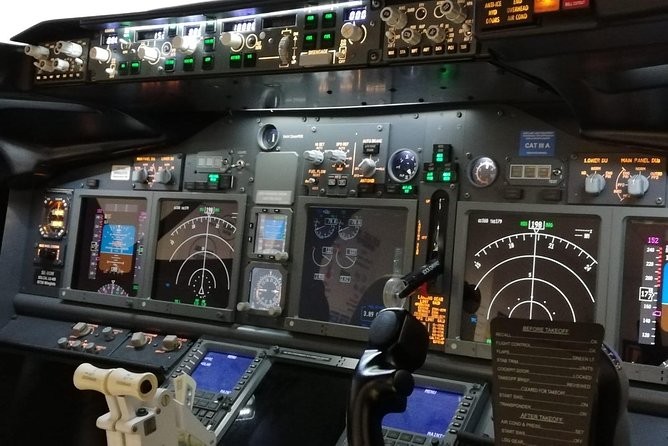
- Boeing 737 cockpit training with pre-flight instructions
- Pick thousands of virtual airports for takeoff and landing practice
- Hands-on takeoff, landing, and a full flight from your chosen origin
- Optional visual city tour over places like Hong Kong, Istanbul, or San Francisco
Why a Boeing 737 Simulator in Antwerp Feels Like the Real Deal
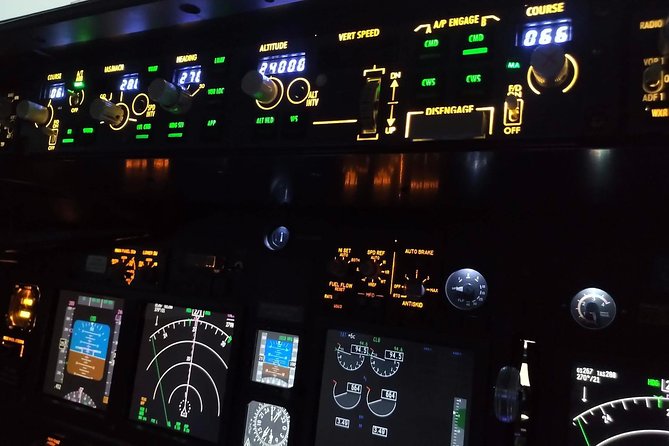
Antwerp is a great place to do something a little different from the usual museums-and-chocolate route. This flight simulator experience is built around the specific feel of a commercial cockpit, not a generic video game setup.
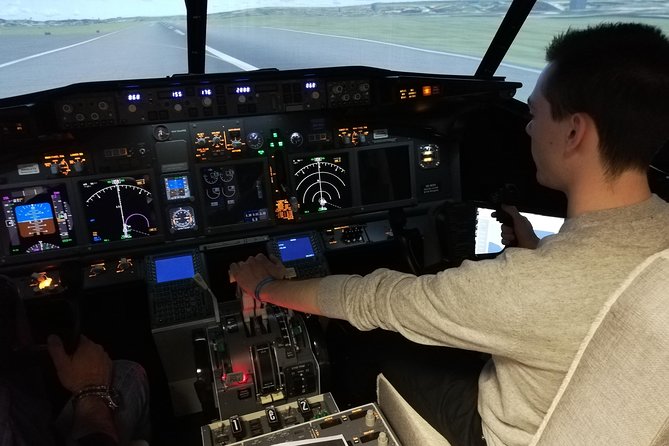
The core appeal is simple: you sit in the captain’s seat and learn the basics of the B737 controls. Even if aviation has always been a mystery to you, the structure helps. You start with the fundamentals, then you apply them during takeoff, landing, and a full flight segment.
The other win is choice. Instead of being assigned a random route, you can select your departure and arrival airports from many virtual options. That turns the flight into something you can tie to an interest—maybe a city you’ve visited, or a route you’d love to try someday.
You can also read our reviews of more tours and experiences in Antwerp.
Booking Value: Price and What That 60 Minutes Includes
This costs $142.48 per person, and it’s typically booked about 25 days in advance. The private cap—max 1 person—matters for value. You’re paying for your own time in the cockpit, not a shared schedule where you watch while someone else drives.
Also, be aware of the difference between “sim time” and “total time.” One session ran longer in practice: about 60 minutes in the pilot seat, plus additional time beforehand for instructions and cockpit details, leading to roughly 1 hour 45 minutes on-site. That mismatch is common with hands-on experiences, so plan for a longer block than the headline duration if you’re timing your day.
If you’re the type who likes controlled practice—learn, try, repeat—that timing works in your favor. You don’t just push buttons and hope. You get a guided flow, then you execute.
Getting to Antwerpen Meirbrug2000 and Checking In Smoothly
Your meeting point is Antwerpen Meirbrug2000 in Antwerp, Belgium, and the activity ends back there. It’s near public transportation, which is a plus if you’re spending the rest of the day exploring the city.
What I’d do the day of: show up a little early and keep your mobile ticket ready. The experience uses a mobile ticket, and that’s usually easiest when you don’t have to scramble with Wi‑Fi or screenshots right at the door.
One practical caution from a past booking: there were issues for someone using provided access codes and they couldn’t reach staff by phone or message. I can’t predict that will happen to you, but it’s smart to double-check your confirmation details ahead of time and have a backup way to contact the provider if something feels off on arrival.
Inside the Cockpit: What You Learn Before You Fly
Before you take off, you get instructions. The experience is designed for beginners, so you’re not expected to arrive knowing aviation terms or cockpit procedures.
During this setup phase, you’ll learn:
- the basics of aviation relevant to what you’ll do in the simulator
- the layout of the Boeing 737 cockpit
- how the controls connect to actions (what changes when you adjust something)
This is the part that makes the whole session feel safer and less intimidating. You’re not thrown into a cold start. Instead, you get a guided tour of what matters, then you start practicing the actions you just learned.
You’ll also likely notice how the cockpit experience is structured. The simulator setup encourages a step-by-step workflow: understanding first, then executing. That matters because flight is mostly about sequences, not just individual button presses.
Takeoff Practice in the Captain’s Seat
The highlight is the hands-on time in the captain’s seat. You’ll do takeoff sessions where you put your new cockpit understanding into action.
In plain terms, takeoff is where most people feel the thrill and the challenge at the same time. It’s also where the pre-flight instruction pays off. If you’ve ever wondered what pilots focus on in the real world, this is the moment your curiosity gets real.
What I like about this format is that it’s not a one-and-done stunt. You’re set up to practice. Even if you’re new, the experience is paced so you can learn the control logic, then apply it again during your session.
If your goal is just fun, you’ll still enjoy it. If your goal is to understand how a flight deck works, this is where that understanding starts to click.



Landing Sessions: Where Learning Gets Real
Landing is the part people remember. It’s also where you see how “small control changes” create big results in flight behavior.
After takeoff practice, you move to landing sessions. Here, the instruction matters because you’re dealing with stability and precision. You learn how adjustments translate into the approach and landing outcome inside the simulator environment.
One of the best signs that this experience is built for real learning: sessions come with patient explanations. For example, Jeroen is noted for being patient and giving good explanations, including taking a child on multiple flights during the session time. Another staff member, Frank, is mentioned for friendly guidance and explaining the basics in a way that made the experience feel beyond expectations.
That human factor is huge. A simulator can be technical, but if the instructor can break it down clearly, it becomes memorable instead of frustrating.
Your Full Flight: From Chosen Airport to Chosen Destination
After the takeoff and landing work, you’ll do a full-flight session using your preferred airports. This is where the experience stops feeling like isolated exercises and becomes an actual flight scenario.
The model here is flexible:
- choose your departure airport
- choose your arrival airport
- then run through a complete flight segment based on that route choice
The “thousands of virtual airports” idea isn’t just marketing fluff. The flexibility makes it feel like you’re planning something, not following a script. If you have a route you dream about—maybe a country you’ve studied, or a city you hope to visit—this part turns the simulator into a personal mini-journey.
It’s also a great confidence builder. If you can get through a complete flight scenario, you’re not just pushing controls—you’re coordinating a flight flow.
Optional Visual City Overflights: Hong Kong, Istanbul, San Francisco
There’s also an optional visual element: you may take a visual tour over one of several exciting cities such as Hong Kong, Istanbul, or San Francisco. That’s a fun add-on because it connects what you’re doing in the cockpit to a sense of geography and travel dreaming.
This part works best if you’re the type who likes a story during activities. Even if you keep it simple and focus on flying, the city visuals can make the whole flight feel more meaningful.
If you’re traveling with family or friends who don’t need aviation details, these visuals can also be a nice way to keep everyone engaged.
How Long It Really Takes (and How to Plan Your Day)
The experience is listed at about 1 hour. In practice, plan for more time. One described session was around 1 hour 45 minutes total, where the 60-minute pilot seat portion didn’t include instruction time and other session details.
Here’s how I’d schedule it:
- give yourself buffer time before and after
- avoid planning tight connections right after your booked slot
- treat it as a dedicated experience block, not a quick add-on
If you’re pairing this with sightseeing in Antwerp, choose nearby plans. You’ll want some breathing room once the session ends, especially if you’re driving or taking transit and trying to get anywhere on time.
Weather, Small Print, and the Practical Stuff That Matters
This experience requires good weather. If it gets canceled due to poor weather, you’ll be offered a different date or a full refund. That’s a key factor because simulators usually sound weather-proof—but this one explicitly ties to conditions.
The upside is you don’t need to guess too much. The cancellation process is straightforward: you can cancel up to 24 hours before the start time for a full refund. Just keep an eye on the local forecast as your date approaches.
Also note: it’s flexible for many people, with “most travelers can participate” status. If you’re generally comfortable in guided activities, you should be fine.
Who This Suits Best (Beginners, Families, and Aviation Nerds)
This is ideal if you fit at least one of these categories:
- First-timers who want a safe way to learn
You get instructions before flying. You’re guided through basics and practice, not left to figure it out alone.
- Aviation fans who want cockpit time
Sitting in the captain’s seat and learning the Boeing 737 controls is the core thrill. If you’re fascinated by how things work, you’ll enjoy the structured learning.
- Parents looking for a memorable gift
One family session involved an 8-year-old who had a great time, taking flights to places like Geneva and New York during the experience.
- People who like structure over random experiences
You do takeoff, landing, and a full-flight segment. It’s not just one continuous demo. The progression helps you feel your own progress.
If you want a pure sightseeing activity or a low-effort “walk in and watch” vibe, this might feel a bit too hands-on. But if you enjoy learning by doing, it’s a great fit.
Tips to Get the Most Out of Your Session
You’ll enjoy this more if you come in ready to participate. Here are simple ways to make it click:
- Treat the briefing like the main event. The better you follow the basics of cockpit layout and controls, the more satisfying takeoff and landing will feel.
- Pick airports that matter to you. Since you can choose your departure and arrival, use that freedom to build your own mini trip story.
- Ask questions during instruction. This type of session usually works best when you communicate what you’re confused about early, before you start flying.
- Stay relaxed about accuracy. Your goal isn’t to ace a commercial pilot test. Your goal is to understand the controls and run through the sequence.
And if you’re looking for a staff member to watch for: Jeroen is noted for patience and clear explanations, and Frank is mentioned for friendly basics and strong enthusiasm during the session.
Should You Book the Antwerp 737 Flight Simulator?
I think it’s worth booking if you want hands-on learning in a real cockpit setup, in a private setting, and you’re okay setting aside a meaningful block of time. The best value is for beginners, families, and anyone who likes the idea of choosing your own virtual airports.
It’s not as ideal if you’re trying to squeeze it into a super tight schedule or if you strongly prefer activities that don’t depend on weather conditions. Also consider that one past booking reported access-code trouble—so keep your confirmation details handy and be ready to contact staff if something doesn’t match what you expected.
If you want a memorable Antwerp experience that’s more than checking a box, this one delivers: cockpit time, real takeoff-and-landing practice, and the fun of flying a route you picked yourself.
FAQ
How long is the flight simulator experience?
The experience is listed as about 1 hour, but total on-site time can be longer once you include instructions and other session details. One session was described as about 1 hour 45 minutes total.
Do I fly a real plane or use a simulator?
You use a Boeing 737 flight simulator and sit in the captain’s seat to learn and practice control basics, including takeoff, landing, and a full flight.
Can I choose the departure and arrival airports?
Yes. You can choose your departure and arrival airports from many virtual airports, so your route can feel personalized.
Is this a private experience?
Yes. It’s a private activity with only your group participating, with a max of 1 person.
What happens if the weather is poor?
The experience requires good weather. If it’s canceled due to poor weather, you’ll be offered a different date or a full refund.
Is it suitable for kids?
There’s no specific age detail provided, but one family session involved an 8-year-old doing flight simulator flights. If your child is curious and comfortable with instructions, it can be a strong fit.