REVIEW · ANTWERP
Antwerp Private Custom Walking Tour With A Guide (Private Tour)
Book on Viator →Operated by Guydeez · Bookable on Viator
Antwerp is small enough to walk, but it tells big stories. This private custom tour strings together the city’s key sights with a guide who can steer the pace and the focus for your group. I especially like the flexibility to linger when something grabs you and the human, question-friendly way the city is explained as you go.
I also like that you’re not stuck with one fixed script. In the experiences I read, guides like Tinne, Shabnam Muqbil, and Arthur brought their own style, from personalized routing to clear answers and even quick, proactive check-ins by WhatsApp.
One thing to consider: it’s a walking plan with no food or drink included, so if you need regular breaks, you’ll want to plan those on your own. Also, because the time window is wide (2 to 8 hours), you’ll want to choose the length that matches how deep you want to go.
In This Review
- Key highlights worth booking for
- How the private, custom setup changes your Antwerp day
- Price and logistics: what to expect on the ground
- Setting the tone at Grote Markt (Big Market)
- Hendrik Conscience statue: why language history fits Antwerp
- Carolus Borromeus Church: the Jesuit chapter in Antwerp
- Handelsbeurs Antwerpen: the trade story behind the grand building
- Rubenshuis: when art, home, and business overlap
- MoMu from the outside: fashion as city culture
- Plantin-Moretus UNESCO printing setting: the power of print
- Nello & Patrasche: a literary pause that feels local
- Guides make it: flexible pace and real conversation
- Who this private tour is best for
- Should you book this Antwerp Private Custom Walking Tour?
- FAQ
- How long is the Antwerp private custom walking tour?
- Is this tour private?
- Where does the guide meet us?
- What’s included in the tour price?
- Are food and drinks included?
- Does the tour offer it in English?
- Can I cancel for a full refund?
- Are admission tickets included for the stops?
Key highlights worth booking for
- Private and custom routing so you can shape the tour around your interests
- Hotel pickup in Antwerp if you’re staying in the city
- Grote Markt to Handelsbeurs in one efficient old-city walk
- Fashion and print culture stops, including MoMu and the UNESCO Plantin-Moretus setting
- Art and language threads through Rubenshuis and the Hendrik Conscience statue
- A literary detour with the Nello & Patrasche statue from A Dog of Flanders
How the private, custom setup changes your Antwerp day
A big difference with a private walking tour is that the day doesn’t feel like a conveyor belt. Instead of watching a guide drag a crowd forward, you can ask questions and decide when to slow down. That matters in Antwerp because the best parts are often the details: carved façades, doorways, inscriptions, and the stories behind who built what.
This tour is priced at $65.02 per person with a private format and English-speaking guides. For Antwerp, that price makes sense if you want real context at major stops without the hassle of sorting maps and timing on your own. And because the tour is described as custom, you should be able to shift the emphasis toward art, architecture, fashion, or literature—whatever fits your trip.
A practical tip: if you know you’re into a specific theme (Rubens, printing history, or even the A Dog of Flanders connection), message that when you book. The more you guide the guide, the smoother the day feels.
You can also read our reviews of more walking tours in Antwerp
Price and logistics: what to expect on the ground
You’re looking at 2 to 8 hours (approx.), so the experience can range from a crisp “must-sees” walk to a longer, slower history-and-details day. Your exact route length may depend on your timing and what you choose to spend extra time on, since the tour is built to be customized.
Logistics are also fairly traveler-friendly. Pickup is offered at your accommodation if you’re located in Antwerp, and the activity notes it’s near public transportation. That’s useful even if you’re walking—because Antwerp can be a little hilly in spots, and you might want a nearby transit option if your feet get tired.
What’s not included is just as important: no food or drinks and no local transportation beyond walking. So think about this as an experience that will keep you moving between sights, not as a tour that feeds you. If you’re the type who gets cranky after 90 minutes without a break, plan for a stop at a café on your own schedule.
Setting the tone at Grote Markt (Big Market)
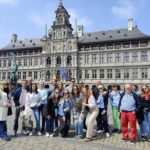
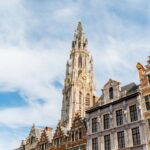
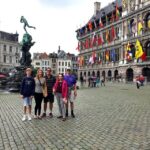
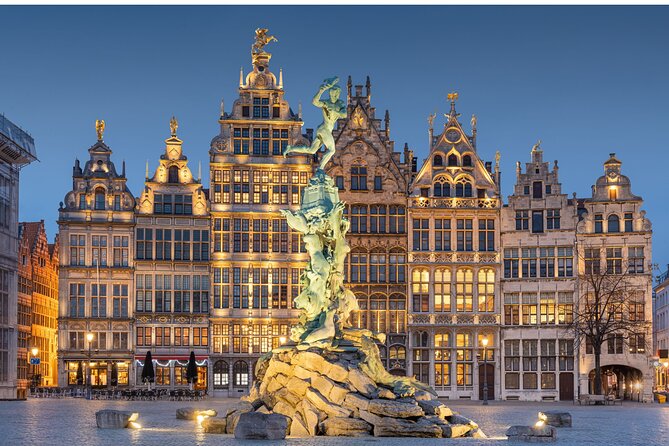
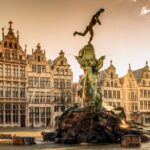
Your tour typically starts at Grote Markt, Antwerp’s central square in the old city core. This is one of those places where it’s easy to underestimate how much is going on because the buildings look beautiful and you want to take photos fast. The payoff of a guide here is that the square becomes a story: town power, guild wealth, and the Renaissance-style architecture that frames the everyday life of the city.
Here’s what you’ll want to watch for while you’re standing in the square:
- The Renaissance Town Hall as the anchor of the space
- The surrounding guildhall façades, with elaborate fronts that reflect how important trade was to Antwerp
- A sense of how the square “reads” as you move your viewpoint around the edges
Even if your schedule is short, this stop is worth it because it gives you a visual reference point. After Grote Markt, everything else feels more connected—less like random sights and more like a single city theme.
Hendrik Conscience statue: why language history fits Antwerp
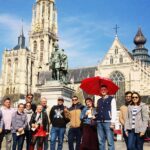
Next up is the Hendrik Conscience statue, tied to the man who helped pioneer Dutch-language literature in Flanders. Conscience is a smart stop to include because Antwerp isn’t just about art and trade; it’s also about culture and identity. If you’ve ever wondered why language matters in Belgium’s regional history, this is a clean place to start.
In practice, the guide’s job here is to connect the statue to a bigger idea: during a period when French held sway among elites, Conscience wrote in Dutch and helped shift what people valued in literature and public life. You don’t need a lecture to get it—you just need context, and a guide can give you that without turning the walk into a classroom.
This stop is also quick, which is perfect. You get meaning without losing too much time, and it sets you up for the religious and institutional buildings ahead.
Carolus Borromeus Church: the Jesuit chapter in Antwerp
At Carolus Borromeus Church (St. Charles Borromeo Church), you’ll see how Antwerp’s religious architecture connects to political shifts. The church was built in the early 1600s as a Jesuit church, then later closed, and eventually rededicated. Standing outside, it can be hard to grasp the timeline—so the guide’s explanation is the point.
What you’ll take from this stop is how buildings preserve power even when regimes or institutions change. Antwerp has a habit of reusing and re-framing spaces rather than starting over completely. That theme shows up again later when you get to the trading and printing history.
If you’re into architecture, you can use this pause to study the church form and its setting on Hendrik Conscience square. Even a short look gives you a better mental map of how the city’s landmarks cluster.
You can also read our reviews of more guided tours in Antwerp

Handelsbeurs Antwerpen: the trade story behind the grand building
Then comes one of the city’s headline economic landmarks: Handelsbeurs Antwerpen. Antwerp’s bourse is described as the world’s first purpose-built commodity exchange, and the building has had multiple lives over the centuries—once falling into disuse, later restored for the stock exchange, and now serving as an events venue.
Why this stop is especially valuable on a walking tour: it turns “history” from a timeline into something practical. Antwerp’s rise wasn’t random art luck—it was trade networks, shipping, and organized exchange. A guide helps you see the bourse as a symbol of how the city moved goods and capital.
One practical note: this stop is a good stretch point. It’s listed as a shorter segment, so you can use it to pause, check your photos, and reset your legs before the art stop that follows.
Rubenshuis: when art, home, and business overlap
At Rubenshuis, you’re stepping into the former home and workshop of Peter Paul Rubens. The story here isn’t just about a famous painter. It’s about how an artist built a working life in Antwerp—designing and expanding his townhouse in a way that echoed Italian palazzo ideals.
If you care about why art looks the way it does, this is a useful stop. Antwerp wasn’t working in isolation; Flemish artists were in conversation with wider European styles, and Rubens was one of the key figures pulling that connection into the city.
This is also a shorter stop, so don’t treat it as only a photo moment. Ask your guide how Rubens’s role in Antwerp fits with the city’s trading energy you just saw at the bourse. You’ll start to feel the logic of the day: art and commerce weren’t separate chapters in Antwerp.
MoMu from the outside: fashion as city culture
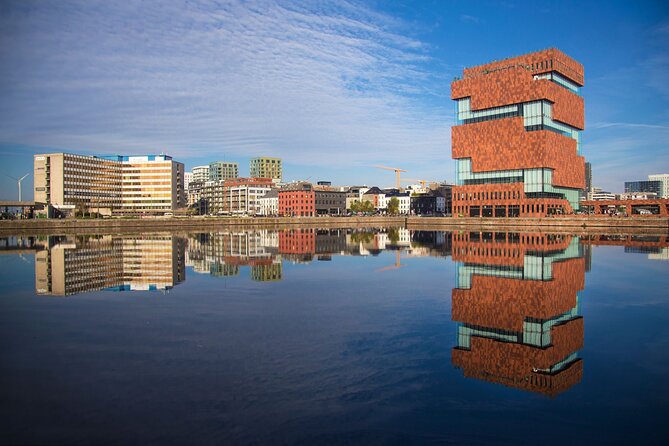
The tour then includes MoMu, the fashion museum of Antwerp. Here you’re not described as going inside—your guide shares information about the museum from the outside. That can sound limiting until you remember what this type of tour does best: it helps you place major institutions on your mental map.
Why I like including MoMu even as an exterior stop: Antwerp’s identity isn’t only old buildings and paintings. Fashion is part of the city’s modern cultural story. Seeing the museum during your historic walk also gives your day a better balance.
If fashion matters a lot to you, you can treat this as a “bookmark” moment. The guide’s framing can help you decide whether you’ll want a separate, longer visit on another day.
Plantin-Moretus UNESCO printing setting: the power of print
Next is the Plantin-Moretus Museum, tied to Antwerp’s printing legacy. It focuses on 16th-century printers Christophe Plantin and Jan Moretus and sits in their former residence and printing establishment at the Vrijdagmarkt. It’s been a UNESCO World Heritage Site since 2005.
Even without guaranteed entry time, this stop works because printing history explains how ideas traveled. Trade brought goods; printing brought information. Antwerp’s world influence wasn’t only ships and markets—it was also the ability to reproduce texts, spread knowledge, and build reputations far beyond the city.
If you want to get more from this portion, ask your guide what made the Plantin-Moretus operation significant in practical terms. A good guide can help you connect printing to the broader city picture you’ve been building since Grote Markt.
Nello & Patrasche: a literary pause that feels local
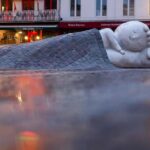
To end (or near the end), you’ll see the Nello & Patrasche statue linked to A Dog of Flanders. The story centers on Nello, a Flemish boy, and his dog, Patrasche, set in Antwerp. The novel was published in 1872 by Marie Louise de la Ramée under the pseudonym Ouida, and it became popular internationally, with adaptations across multiple countries and years.
This is a fun stop because it’s anchored in a very human story. It also adds variety to the walk: you’re no longer only looking at institutions and trade buildings. You’re looking at a piece of Antwerp’s cultural reach—how the city appears in literature and memory.
This can be especially enjoyable if you’re traveling with teens or you like stories that feel warmer than official history. Even for adults, it breaks the pattern so your brain doesn’t run on dates and names the whole day.
Guides make it: flexible pace and real conversation
The tour’s spirit shows up in the guide experiences. In one account, Tinne personalized the route and even added an unexpected stop at a specialty chocolate shop. That’s the kind of detail that makes a private tour feel like you’re spending time with someone who actually lives the city.
Another guide, Shabnam Muqbil, reportedly reached out proactively via WhatsApp to confirm the meeting point and to ask what you’re most interested in seeing. That’s small, but it matters. You arrive feeling oriented instead of stressed.
And Arthur came through with what one review described as strong history explanations that stayed interesting and not slow. That style is what you want on a walking tour: facts with forward motion, not long monologues that kill the energy of your feet.
If you want the best version of this day, treat the tour as a conversation. Ask about what you see right now, not just what happened long ago. That’s when Antwerp really clicks.
Who this private tour is best for
This experience fits best if you:
- Want must-see Antwerp without planning the whole day yourself
- Prefer a private pace over group herding
- Like mixing categories: architecture, art, language, and culture
- Want your guide to adjust to your group, whether you’re a couple, friends, or a family
It’s also a good choice for first-time Antwerp visits. Grote Markt and the bourse give you the city’s “power center,” Rubenshuis and church architecture give you the creative and religious backbone, and MoMu/Plantin-Moretus add cultural layers so you don’t leave with only one kind of story.
If you’re the type who already knows Antwerp’s art and trade history deeply, you might find you want more time at each place or a second, thematic visit. The tour can be customized, but the format is still a walking sweep through central highlights.
Should you book this Antwerp Private Custom Walking Tour?
I’d book this if you want a well-structured overview with a guide who can shape the day and answer questions in real time. The combination of hotel pickup (when you’re in Antwerp), English-speaking guiding, and a private format at a mid-range price is a solid value—especially if you’re traveling with someone who doesn’t want to navigate and decode on their own.
Book it with confidence, but keep one practical mindset: the tour includes no food or drinks, and it relies on a walking pace. If you have mobility limits or need frequent breaks, plan accordingly and choose a shorter duration.
Also, like any human-run experience, quality depends on the day and the guide. One outlier complaint in the provided material involved communication and a refund process being handled afterward. Your best defense is simple: confirm your meeting details in advance and keep your phone ready for last-minute coordination.
If you want your Antwerp day to feel personal, efficient, and genuinely connected, this is a smart pick.
FAQ
How long is the Antwerp private custom walking tour?
It runs for about 2 to 8 hours depending on the option you choose and how your group wants to pace the stops.
Is this tour private?
Yes. It’s a private tour, meaning only your group participates.
Where does the guide meet us?
Pickup is offered at your accommodation in Antwerp (if you’re located in the city).
What’s included in the tour price?
The tour includes a private walking tour, customization, and the meet-up/pickup at your hotel if you’re in Antwerp.
Are food and drinks included?
No. Drinks or food aren’t included, so you’d need to stop for a break on your own if you want one.
Does the tour offer it in English?
Yes, it’s offered in English.
Can I cancel for a full refund?
Yes, you can cancel for a full refund if you cancel at least 24 hours in advance.
Are admission tickets included for the stops?
The itinerary lists admission ticket free for multiple stops (like Grote Markt, the church, the bourse building, and Rubenshuis). MoMu is described as an outside information stop, and the information about Plantin-Moretus focuses on the museum’s significance; admission inclusion for entry into Plantin-Moretus isn’t specified in the provided details.