REVIEW · LIEGE
Liege Private Walking Tour
Book on GetYourGuide →Operated by Travmonde OÜ · Bookable on GetYourGuide
Liège has a way of making history feel personal. This 90-minute private walking tour turns the city’s Meuse River setting into a timeline you can actually walk through, from early roots to the hard chapters of the Liège Wars and later foreign rule. I especially like the way the guide connects what you see—especially medieval architecture—to the big political and religious shifts. The other strong point is the private setup, with a local guide who stays with just your group. One thing to consider: there are no entrance tickets included, so if you want to go inside any churches or museums along the route, you may need extra planning.
You’ll spend your time in the old center, moving through pedestrian streets like the Carré and stopping at stand-out landmarks such as the 12th-century Romanesque Church of St. Bartholomew. The stories are built around major eras: the Counter-Reformation, the Thirty Years’ War, and Liège’s evolution from Habsburg control to French rule. Based on the feedback I read, the guiding quality is often excellent, with named guides like Joseph Gerkens, Hilbert, and Karl called out for clarity and energy—plus one guide who adjusted quickly when a language match didn’t happen as expected.
If you’re tight on time and want a fast, focused way to understand why Liège looks the way it does, this format makes sense. But if you’re expecting a long museum-style route with lots of indoor stops, you’ll likely want to pair it with a separate visit after the walk.
In This Review
- Key highlights worth planning for
- Liège’s real superpower: history you can see from the street
- Where you meet: starting from Liège Tourism near the Quai
- The Carré on foot: how pedestrian streets help you read the city
- St. Bartholomew’s Church: a Romanesque stop that anchors the medieval feel
- Pre-Roman roots: early layers beneath the modern city
- The Liège Wars: why this city became hard to ignore
- Counter-Reformation: religious politics explained through place
- The Thirty Years’ War: when a local city got pulled into Europe
- Habsburg to French rule: the city changes governors, not its identity
- Private guide perks: real flexibility in 90 minutes
- Price and value: $309 for up to 15, built for groups
- What to watch for: entrances, language fit, and timing
- Who this tour is best for (and who should choose something else)
- Should you book the Liege Private Walking Tour?
- FAQ
- How long is the Liege Private Walking Tour?
- What is the group size and pricing?
- Where does the tour meet?
- What languages are available?
- Is this tour private?
- Are entrance fees included?
- Can the tour be customized?
- What is the cancellation policy?
- Does it include a reservation option without paying right away?
Key highlights worth planning for
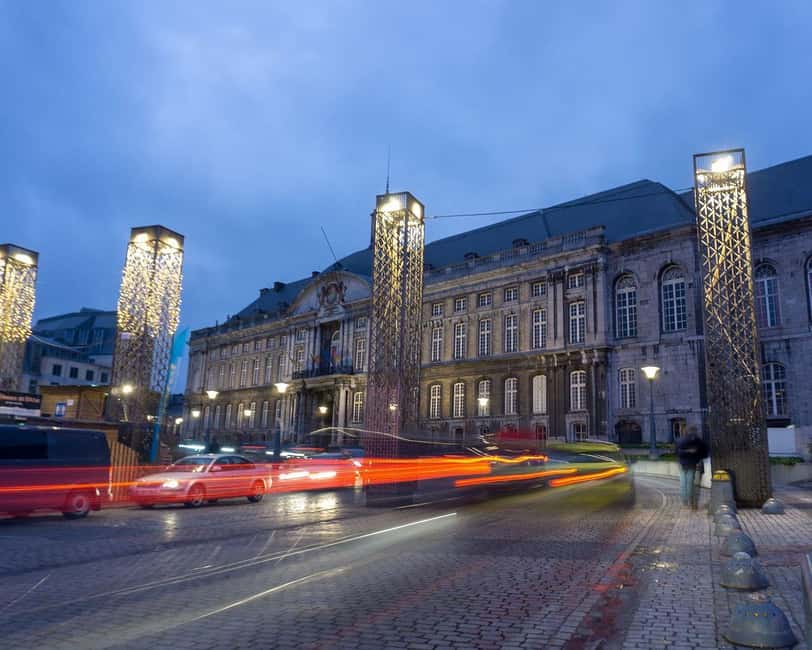
- Pre-Roman roots made understandable with street-level context, not textbooks
- Medieval Liège on foot, including the Romanesque Church of St. Bartholomew
- Big-era storytelling: Liège Wars, Counter-Reformation, and the Thirty Years’ War
- Carré pedestrian streets, where you feel the city’s day-to-day rhythm
- Private guide, only your group, with possible customization on the spot
- English or German tour, with guide skill praised even when plans shift
Liège’s real superpower: history you can see from the street
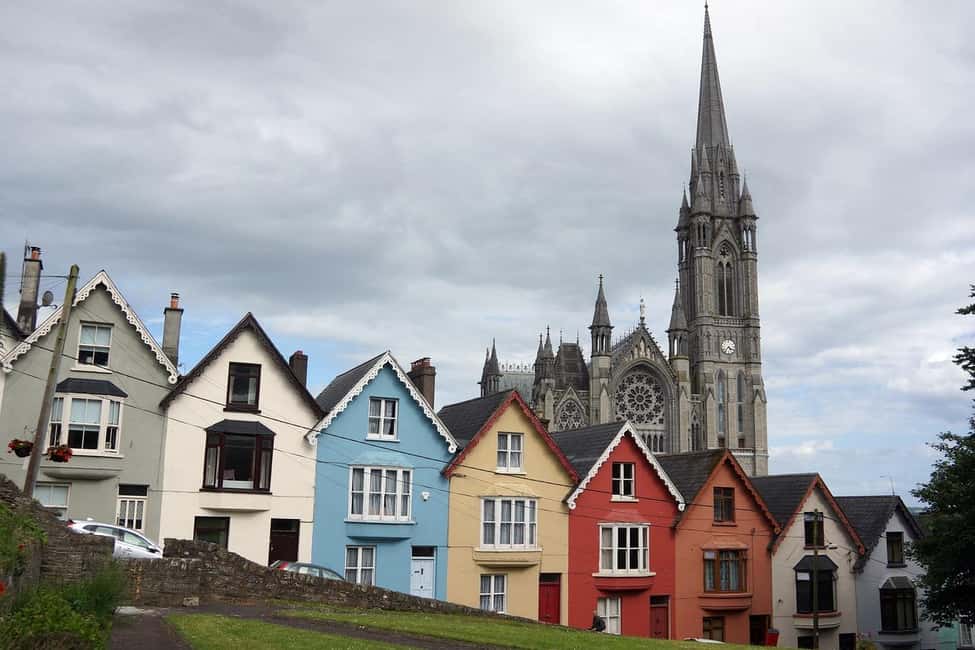
Liège sits along the Meuse River, and that location matters. Rivers are routes, borders, and supply lines. In practical terms, it means the city has been strategically important for a long time, so conflict and power shifts show up everywhere—sometimes subtle, sometimes obvious in the way buildings and neighborhoods evolved.
What I like about this tour is how it uses that geography to explain the city’s temperament. You’re not just hearing dates. You’re getting the why. Why Liège kept getting pulled into larger struggles. Why political authority changed hands. Why religious movements mattered so much here.
The guide’s job (and their reported strength) is making complex eras feel like cause-and-effect. That works well for first-time visitors, because it gives you a mental map. You finish the walk knowing what to notice on your own afterward—churches, old town layouts, and the kinds of buildings that often survived when everything else was in flux.
You can also read our reviews of more walking tours in Liege

Where you meet: starting from Liège Tourism near the Quai
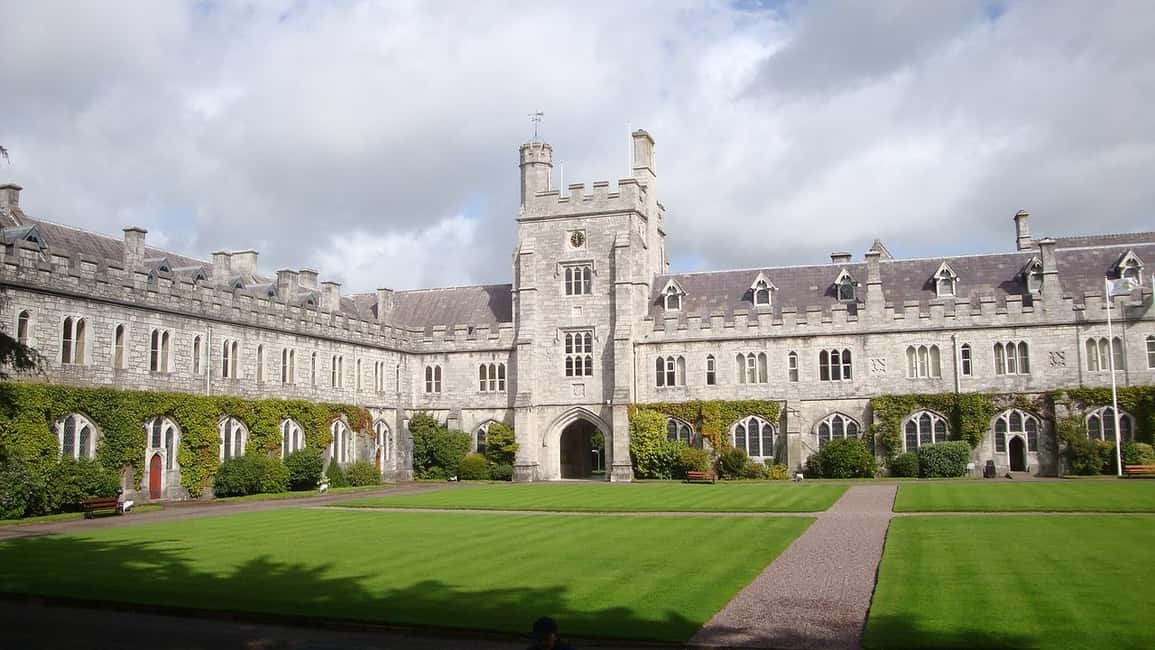
The meeting point is at Visitez Liège – Liège tourisme, Quai de la Goffe 13, 4000 Liège. Starting by the river is a smart move. You’re already oriented geographically, and it’s easier to understand why this city grew where it did.
If you arrive a few minutes early, you can use the time to get your bearings and check your route to the pedestrian center. The tour is only 90 minutes, so you want to walk in with your shoes ready and your questions ready too. This is also where the private format becomes handy: you can ask the guide what you personally want most—architecture details, war-era storytelling, or how the Habsburg-to-French shift changed everyday life.
The Carré on foot: how pedestrian streets help you read the city
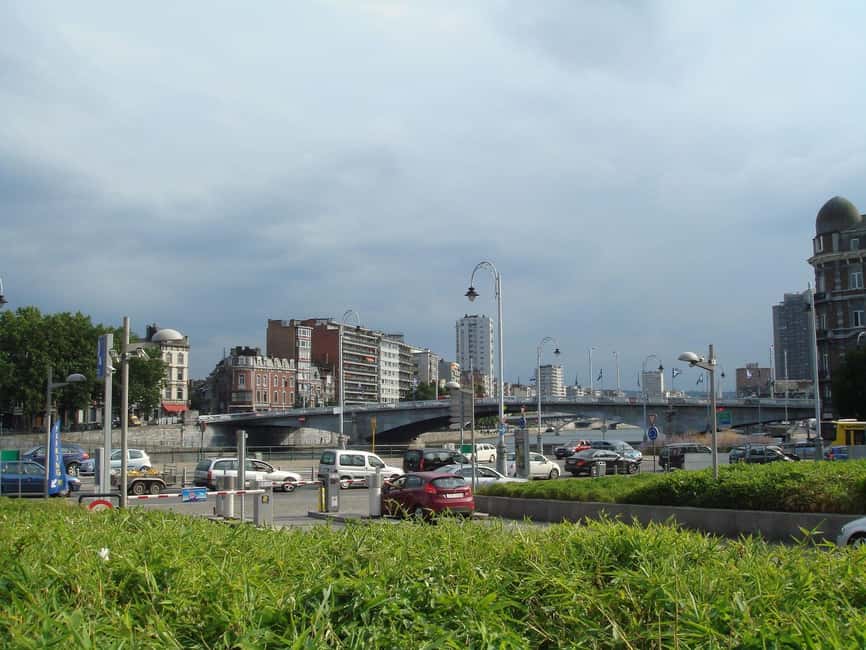
You’ll stroll through the Carré, the pedestrian zone lined with shops. This part is more than a pleasant walk. It’s useful. Pedestrian streets are often the preserved heart of a city—the place where life kept happening even when power didn’t.
On this tour, the Carré works as a reset point between heavier historical eras. You feel the scale of the old center, you see the modern commercial layer on top of older urban fabric, and you get a sense of how Liège functions now. That matters because it prevents the tour from turning into a list of calamities.
A practical tip: if you like street-level photos, this is where you’ll get the best “I’m in the city” shots. The guide can also steer you to what to look for—street alignments, building styles, and the kinds of markers that hint at older eras.
St. Bartholomew’s Church: a Romanesque stop that anchors the medieval feel
One highlight is the 12th-century Romanesque Church of St. Bartholomew. Even if you’re not the type who stops to read every plaque, this stop gives the tour credibility. Romanesque architecture is identifiable: sturdy forms, heavy stone character, and a look that feels built for endurance.
Why it’s valuable on a walking tour is simple: it’s a physical anchor. When your guide talks about earlier roots, medieval development, and later religious conflict, you’re not picturing everything in your head. You’re standing in front of something that survived long enough to still be part of the city’s daily scene.
One consideration: entrance fees aren’t included, so if the plan includes going inside (or if you want to linger in a way that requires entry), you may need to budget separately. If your group is mostly about exteriors and street views, you’ll probably feel fine. If interiors matter to you, check before you go.
Pre-Roman roots: early layers beneath the modern city
The tour highlights include Liège’s deep roots from Pre-Roman times. That phrase can sound vague until someone explains what it means for the place you’re standing in. The value here is that you’ll learn how long this region has been a crossroads—before the Roman era, before the later wars, before the Habsburg and French periods.
In practical terms, this kind of early context changes how you read the rest of the walk. You start to recognize Liège as a long-term strategic location, not just a city with a few famous centuries. Your guide’s storytelling helps you connect early occupation to why the city kept attracting attention later.
If you love history that feels grounded rather than theoretical, this is one of the best parts of the whole experience. It sets the tone: Liège didn’t become important by accident.
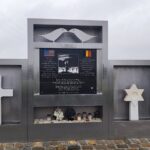




The Liège Wars: why this city became hard to ignore
The tour also focuses on the Liège Wars, described as tumultuous. That’s not just dramatic wording—it’s the explanation for why Liège has the scars and the stories to match.
When your guide talks about war and revolt, listen for the cause-and-effect structure. Why conflicts erupted. How local power played against bigger forces. And how the city’s strategic value made it hard to control long-term.
One thing I like about tours built around conflict is that they often sharpen your architecture focus. During this part, you’ll likely notice how cities evolve after unrest: changes in governance, shifts in influence, and the kinds of buildings or institutions that mattered to control a population.
Counter-Reformation: religious politics explained through place
Next comes the Counter-Reformation era. This is where many short tours fall apart, because people either oversimplify or drown you in terms. Here, the goal is different: you use the city itself as a guide to meaning.
Even if you’re not deeply religious, you can still track the political impact. The Counter-Reformation wasn’t only spiritual. It shaped institutions, education, art, and public authority. In a city like Liège, it also intersected with conflict and power struggles. A good guide helps you understand that religion was one of the levers of control.
Pay attention to how the guide connects this era to what you’re seeing in the old town. That’s the difference between hearing a lecture and walking through a story.
The Thirty Years’ War: when a local city got pulled into Europe
Liège’s experience during the Thirty Years’ War is a major theme of the tour. The value of focusing on a specific local connection to a larger conflict is that it makes the scale manageable.
Instead of treating the Thirty Years’ War as a single distant event, your guide helps you see how a strategic city gets pulled into broader struggles. You get a sense of what long wars do to a place: uncertainty, shifting authority, and the long tail of change that follows even after the fighting moves elsewhere.
If you’re someone who likes to understand how events ripple through time, you’ll probably enjoy this part a lot. It turns European history from something that happened “somewhere else” into something that shaped real streets and real institutions.
Habsburg to French rule: the city changes governors, not its identity
The tour closes in spirit with Liège’s evolution from Habsburg to French rule. That transition is important because it shows how control can shift while local identity keeps pushing back or adapting.
Your guide’s job here is to translate those political changes into something you can picture. You’ll learn how larger empires influenced administration and how shifts in rule affect the feel of a city over time. Even without going into deep policy details, the big-picture takeaway is clear: Liège’s location made it desirable, and its history made it complicated.
This part is especially useful if you plan to keep exploring after the tour. You’ll know what time period you’re seeing when you notice certain architectural and institutional patterns around the old center.
Private guide perks: real flexibility in 90 minutes
This is a private group experience with a local guide who works only with your party. Price is set per group (up to 15 people), which is a big deal if you’re traveling with friends or family.
You also get possible customizing on the spot. That matters because history tours often lock you into one theme. Here, if your group loves architecture, you can ask for more attention on buildings and styles. If you care more about wars and political shifts, your guide can spend more time on that thread.
Language options are English and German. From the feedback I saw, guides can be strong and adaptive; one booking noted that the guide ended up in English rather than the expected German, and still managed to keep things moving smoothly, including parallel translation for group members. That’s a practical reminder: if language is critical, confirm early, but also know that good guides tend to adjust.
Price and value: $309 for up to 15, built for groups
The price is $309 per group up to 15 people for 90 minutes. For solo travelers, that can feel steep compared with a public walking tour. But for a small group, it becomes far more sensible.
Here’s the basic math:
- If you fill the group with 15 people, it works out to about $20.60 per person.
- If you have 6 people, it’s about $51.50 per person.
So the value depends on headcount. Where it shines is with families, friends, or small teams who want a private pace and the chance to ask questions without competing with other groups.
Also consider what you’re buying: not just a route, but interpretation. A good guide turns landmarks into meaning, and that’s often what makes a short tour worth it.
What to watch for: entrances, language fit, and timing
Two practical things can affect your experience.
First, entrance fees aren’t included. If you’re the type who wants to step inside churches or other sites, you’ll need a bit of flexibility or extra budget. If you’re happy with exterior views and street-level context, this is less of a concern.
Second, check your language expectations. The tour is offered in English or German, but one recent booking reported a mismatch and an adjustment afterward. That doesn’t mean it will happen to you, but it does suggest you should confirm language needs early—especially if German is a must.
Finally, remember the tour is only 90 minutes. That’s not a bad thing. It means the guide will keep moving and keep focus. But if your group loves lingering for photos and questions, be ready to manage the pace together.
Who this tour is best for (and who should choose something else)
This walking tour is a great fit if you:
- Want a first orientation to Liège without spending half a day
- Care about how wars and rule changes shape a city
- Love architecture and want a clear anchor like St. Bartholomew
- Travel with a small group and want private attention
- Like history told through places, streets, and visible landmarks
It might be less ideal if you:
- Need lots of indoor time and included ticketed entrances
- Prefer very long, slow museum-style itineraries
- Want a tour in a language that isn’t confirmed in advance
Should you book the Liege Private Walking Tour?
If you want a compact way to understand Liège’s past—Pre-Roman roots, the Liège Wars, Counter-Reformation, the Thirty Years’ War, and the Habsburg-to-French shift—this is a strong choice. The private format, the guided pacing, and the attention to architecture like St. Bartholomew make it easy to feel oriented fast.
I’d say book it if your group can handle the no-entrance-fee reality and you’re okay with a story-driven walk. If you’re traveling with 6 to 15 people, the per-person value improves a lot. And if you care about guide quality, the names coming up most in feedback—Joseph Gerkens, Hilbert, and Karl—are a reassuring signal that this tour can deliver real energy.
FAQ
How long is the Liege Private Walking Tour?
The tour lasts 90 minutes.
What is the group size and pricing?
It’s priced at $309 per group for up to 15 people.
Where does the tour meet?
The meeting point is Visitez Liège – Liège tourisme, Quai de la Goffe 13, 4000 Liège, Belgium.
What languages are available?
The live tour guide is available in English and German.
Is this tour private?
Yes, it’s a private group tour with a local guide who stays with your group only.
Are entrance fees included?
No, entrance fees are not included.
Can the tour be customized?
You can request possible customization on the spot with your local guide.
What is the cancellation policy?
You can cancel up to 24 hours in advance for a full refund.
Does it include a reservation option without paying right away?
Yes, you can reserve now & pay later to keep your plans flexible.