REVIEW · WATERLOO BELGIUM
From Brussels : Napoleon’s Last Campaign in Belgium Tour
Book on GetYourGuide →Operated by Cognosimo Tours · Bookable on GetYourGuide
1815 battlefield ground is different when a guide explains it. This private six-hour tour takes you from Brussels to the key sites of Napoleon’s last campaign in Belgium, with stops at Ligny, Quatre-Bras, and Waterloo, then a finish at Lion’s Hill and the Waterloo Memorial area.
What I like most is how the day stays focused on the actual fighting ground, not just a quick drive-by. I also like that you’re not left on your own: the guide handles the geography, the sequence of events, and the logic of the campaign, including how weather and terrain shaped what happened on 18 June 1815.
The only real downside to consider is that it’s a packed schedule. If you want lots of free roaming time at each site, or if lunch planning doesn’t go smoothly that day, you’ll feel the pinch.
In This Review
- Key points worth knowing
- Napoleon’s 1815 campaign: why this tour works
- Getting from Brussels without losing the day
- Ligny: Napoleon’s last victory and the meaning of the 45 minutes
- Quatre-Bras: where timing and confrontation meet
- Waterloo on foot: Lion’s Hill and the Waterloo Memorial area
- Lunch planning: a break built into the schedule
- The real difference-maker: the guide
- Price and value: is $764 a fair deal?
- Who should book this tour
- Should you book Napoleon’s Last Campaign in Belgium Tour?
- FAQ
- How long is the tour?
- Where does the tour start and end?
- Which battlefields and sites are included?
- Is lunch included in the price?
- What’s included in the cost?
- What languages is the guided tour offered in?
- Is it easy to change or cancel plans?
Key points worth knowing
- Private guide and transport: You’re not squeezed into a big group bus.
- Real sequence, not random stops: The day follows the campaign chain from Ligny to Waterloo.
- Waterloo time is meaningful: You get over two hours on site, including the Lion’s Hill area.
- Lunch is a stop, not an included meal: Food isn’t covered, so plan for that cost.
- Guides can vary in style: Some are praised for strong battlefield explanations, while one review questioned depth.
Napoleon’s 1815 campaign: why this tour works
Napoleon’s last campaign doesn’t play like a museum exhibit. It plays like a map problem with human consequences. The value of this kind of guided day is that you start connecting dots: routes, positions, and timing start to make sense in the place where decisions were made.
You’ll also see why Waterloo isn’t only about one famous ridge. The bigger story is the way separate clashes fed into each other. One review noted how the topography and the weather context help you understand the battle’s rhythm, especially the rain that fell after volcanic fallout in the months before. That kind of context is exactly what turns scenery into comprehension.
You can also read our reviews of more tours and experiences in Waterloo Belgium.
Getting from Brussels without losing the day
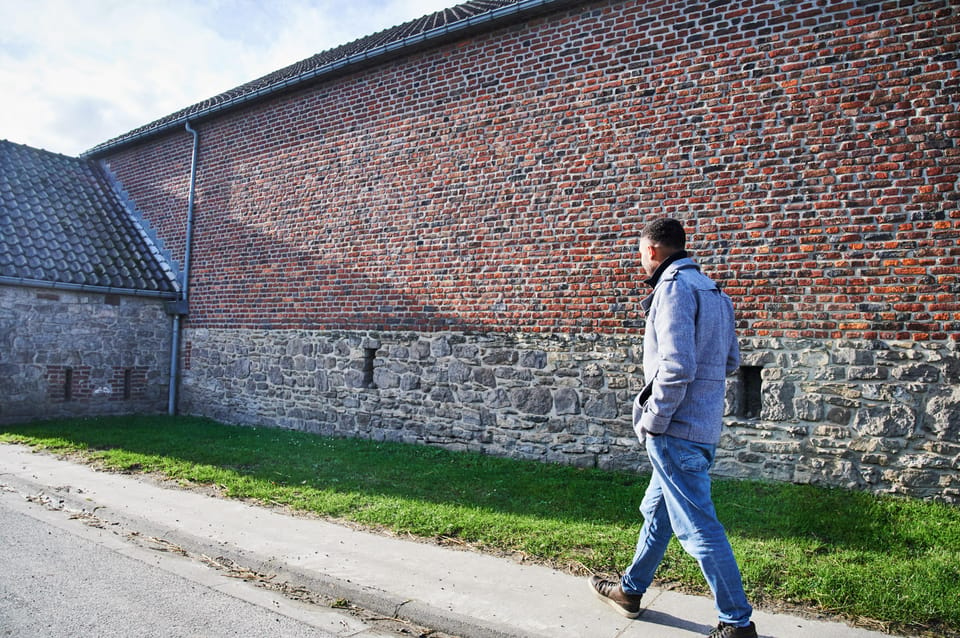
You start with pickup in Brussels, and they also cover surrounding areas. You’ll be collected from your accommodation and meet the driver in the lobby about ten minutes before the scheduled time, which keeps things neat and predictable.
Because transportation is private, the pace feels controlled. You’re not fighting with departure times or waiting for a dozen people who are still searching for shoes. For a 6-hour day, that matters. The plan is built around a few key stops, so you want the driving portion to be efficient and drama-free.
Practical note: wear comfortable shoes. You’ll be walking around battle ground and memorial areas, and the surfaces can be uneven. Also dress for weather—this region can go from mild to wet without asking permission.
Ligny: Napoleon’s last victory and the meaning of the 45 minutes
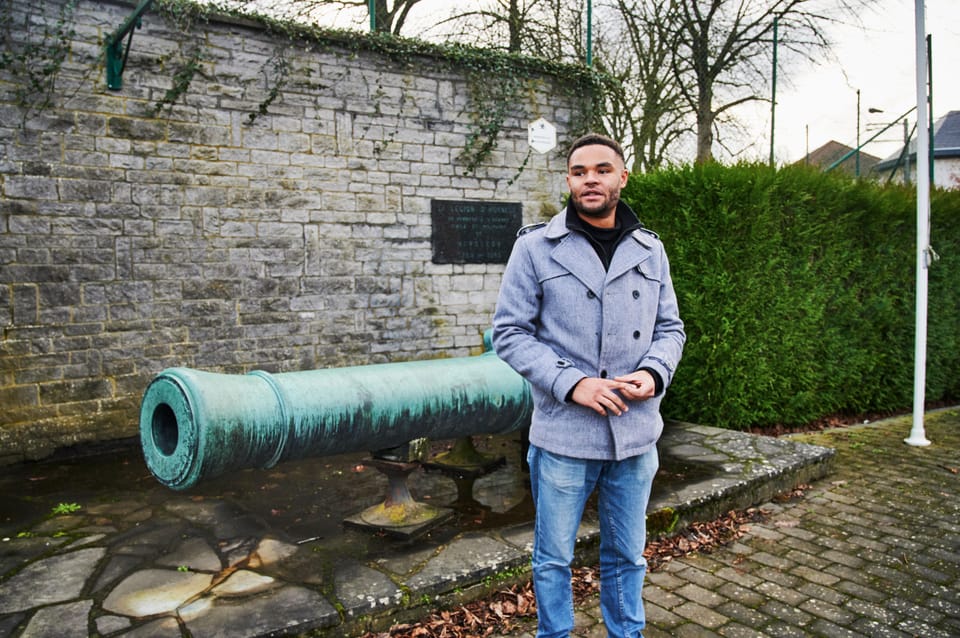
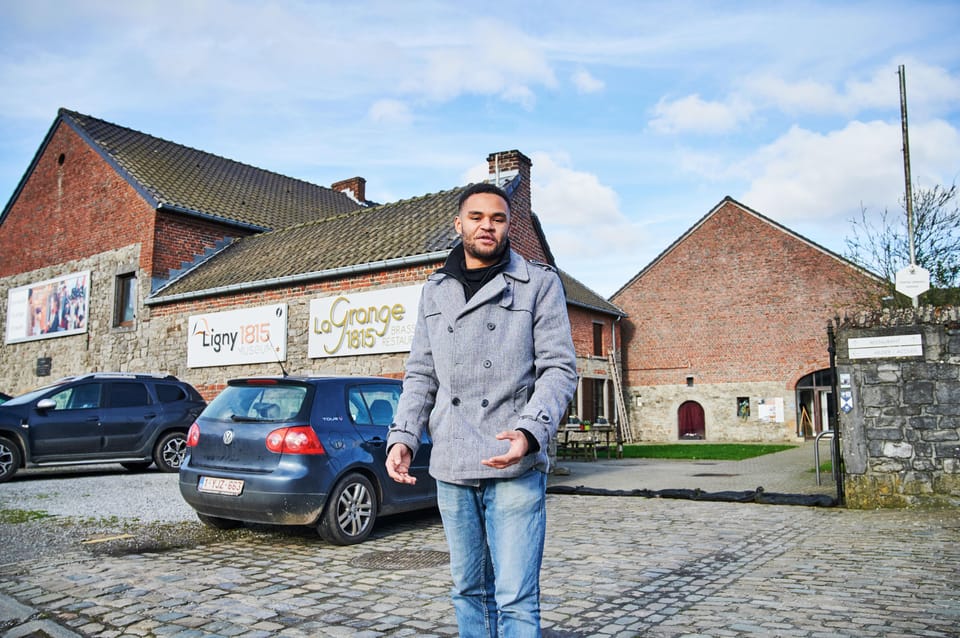
Ligny is where Napoleon won his last victory in the campaign. The stop runs about 45 minutes with a guided walk through the key points, which is a short window—but not a wasted one if you’re listening for geography.
Here’s the trick at Ligny: it’s easy to assume you need to spend a full day. You don’t. What you do need is a guide who points out what matters in the terrain and how the action fits into the broader campaign. One highly positive review highlighted that the guide did a strong job explaining geography and the participants involved, and this is the kind of stop where that approach pays off.
Also, keep in mind that scale can surprise you. One comment noted how Ligny feels tiny when you’re standing there, even though it involved major losses. That contrast is one of the reasons a guided stop helps. Without interpretation, the place can feel quieter than its consequences.
Quatre-Bras: where timing and confrontation meet
Quatre-Bras is the next stop, with about 30 minutes on the ground. This is a shorter segment, so it works best if you go in knowing what you’re trying to figure out: where forces met, why they ended up there, and how the battle fit into the chain reaction toward Waterloo.
This is also where the tour’s structure shows its strength. The day doesn’t jump around randomly. It keeps pushing you forward along the campaign narrative, so Quatre-Bras feels like a hinge, not a side quest.
A consideration: 30 minutes is enough for the main points, but not enough for deep rabbit holes. If you love asking lots of follow-up questions, lean in early. Ask your big questions before the group moves on, and you’ll get more out of the stop.
Waterloo on foot: Lion’s Hill and the Waterloo Memorial area
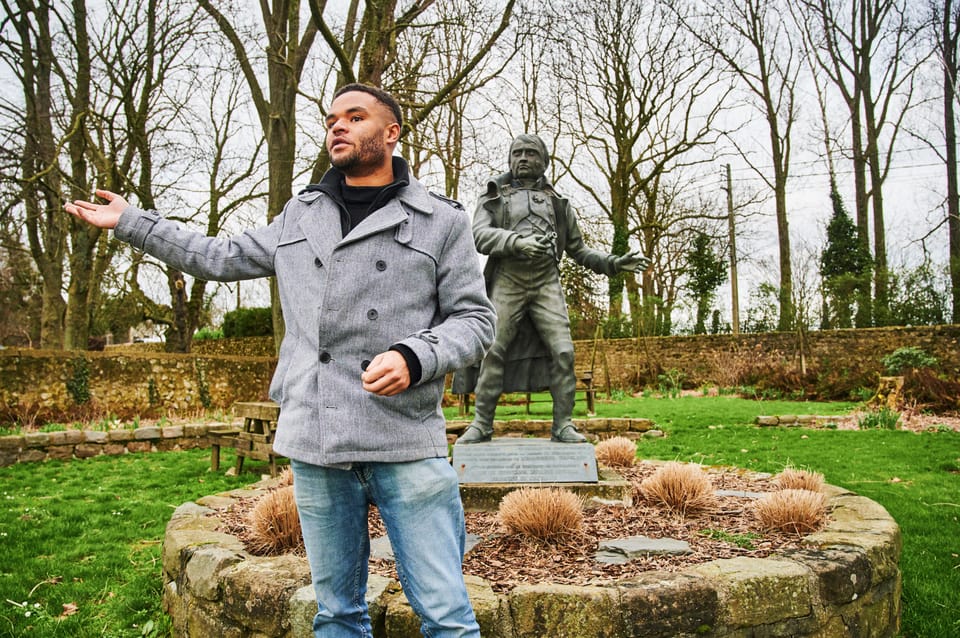
Waterloo is the heart of the tour, with about two hours and change on site. This is where you get more time to connect the dots, walk the terrain, and understand why the battlefield layout mattered so much.
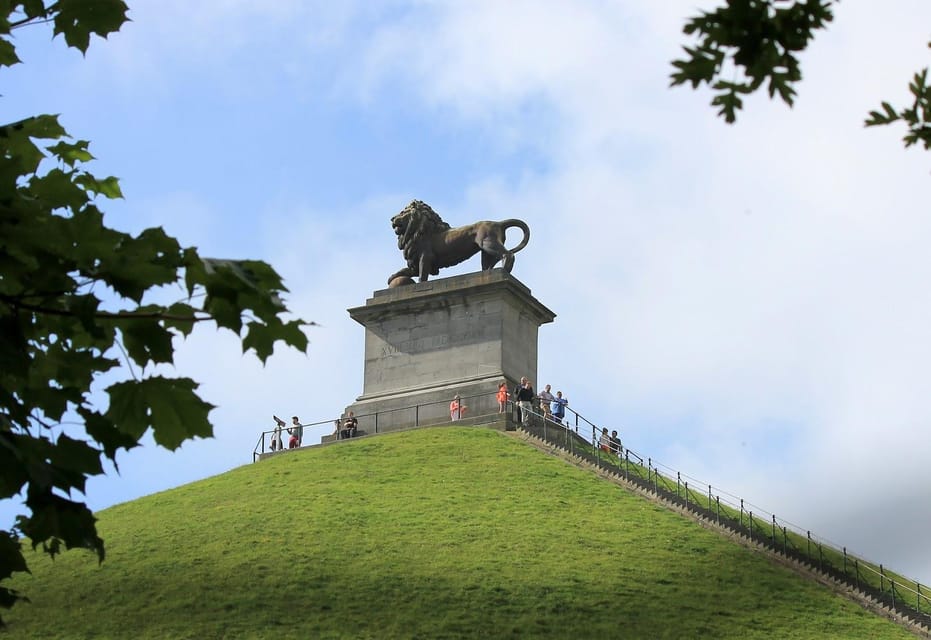
You’ll also see Lion’s Hill and the Waterloo Memorial area. One review mentioned the Lion’s Hill site was built by the Dutch to celebrate the victory, and it also pointed out that a Dutch prince was wounded there. That kind of detail matters because it shifts the focus from only the big-name generals to the people caught in the event.
Two practical thoughts for this portion:
- Pace yourself. Two hours can feel long or short depending on how much you listen and how often you pause for photos.
- Use the time for questions. Waterloo is complicated, and a good guide can help you straighten out chronology and geography quickly.
If you’re the type who already knows the broad story, you’ll still get value from seeing it on the ground. One comment noted the experience helped put chronology into context with conditions on 18 June 1815—especially weather. That’s the sort of angle that makes a battlefield tour feel like learning, not sightseeing.
Lunch planning: a break built into the schedule
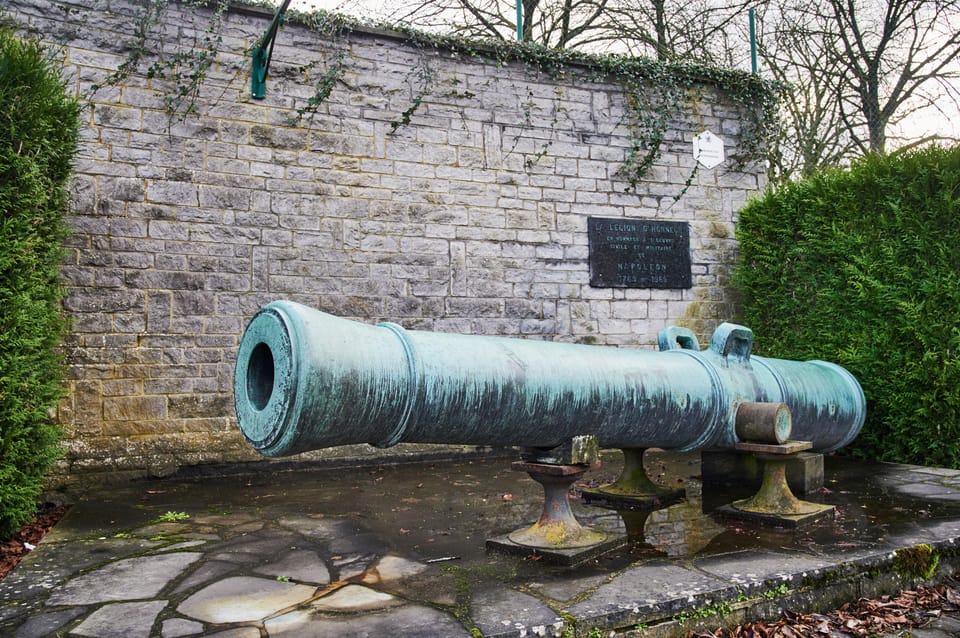
The day includes a 1-hour lunch stop at a local restaurant, but food is not included in the tour price. Drinks are included, which helps, but you’ll still want to budget for lunch.
One review mentioned an issue with a lunch spot being full and the group needing to find an alternative, which caused some time loss. That’s not something you can control—but you can protect yourself by using the rest of the schedule as a baseline and staying flexible about lunch logistics.
If you’re picky about food, decide what you’d like beforehand (and consider carrying a small snack so you’re not stuck waiting hungry if the first restaurant is crowded).
The real difference-maker: the guide
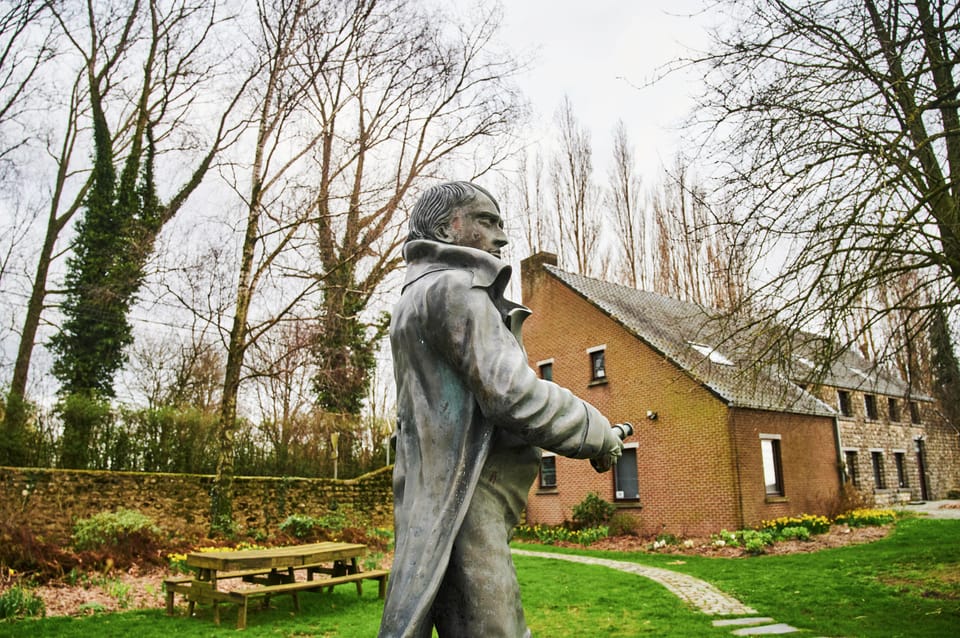
This is a private tour, and the guide is the engine. In the best cases, the guide is praised for turning the campaign into something you can actually picture—explaining geography, timing, and who was where, and even connecting the battle to practical realities like terrain and weather.
One reviewer called Jeremie an excellent guide and singled out the quality of the descriptions of the campaign. Another reviewer praised a guide named Eric for strong knowledge and good company, and they specifically appreciated how the guide connected topography and chronology with conditions on the day of the battle.
On the other hand, one review said the tour didn’t match the advertised detail level and that the Waterloo knowledge felt superficial. That’s a useful warning sign: battlefield tours live and die by interpretation, not only by the list of places.
My advice: treat your guide as part of the experience. During the car rides, ask quick questions like:
- What are the key terrain points I should remember here?
- How does this moment connect to the next stop?
- What’s the most important mistake people make when they read about Waterloo?
You’ll get more from the day, especially if your tour’s pace is brisk.
Price and value: is $764 a fair deal?
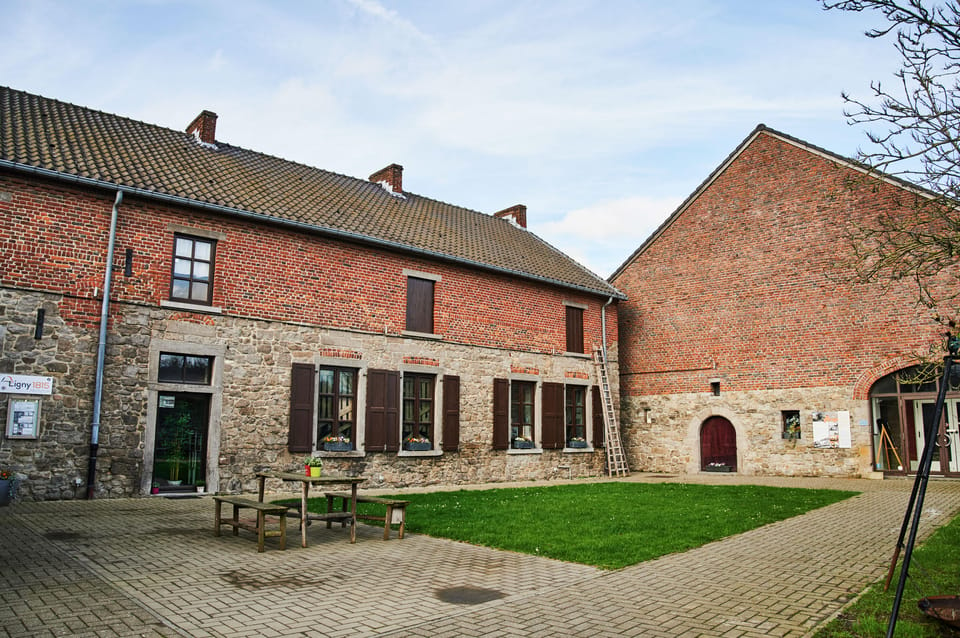
At $764 per person for a 6-hour private day, this is not a budget outing. The price is high enough that you should evaluate it on what’s included, not just on the destinations.
Here’s what you’re paying for:
- Private transportation from Brussels
- A private guide
- Battlefield touring time at three major locations
- Drinks during the tour
- Souvenirs and entrance/fee coverage
- A structured day that ends with time at Lion’s Hill/Waterloo Memorial
If you were to self-drive, you’d save some money but you’d also lose the guided layer that turns the battle into a coherent story. This tour’s value is strongest when you want that interpretation—when you’re curious about why armies ended up where they did and how the geography shaped outcomes.
If you’re mostly interested in taking photos and wandering, or if you already know the campaign details inside out, then you may feel you’re paying for time you’d rather spend freely.
Bottom line: it’s a premium price, but the inclusions and the private format make it more defensible than a basic group tour. Decide based on how much you want the history explained versus experienced solo.
Who should book this tour
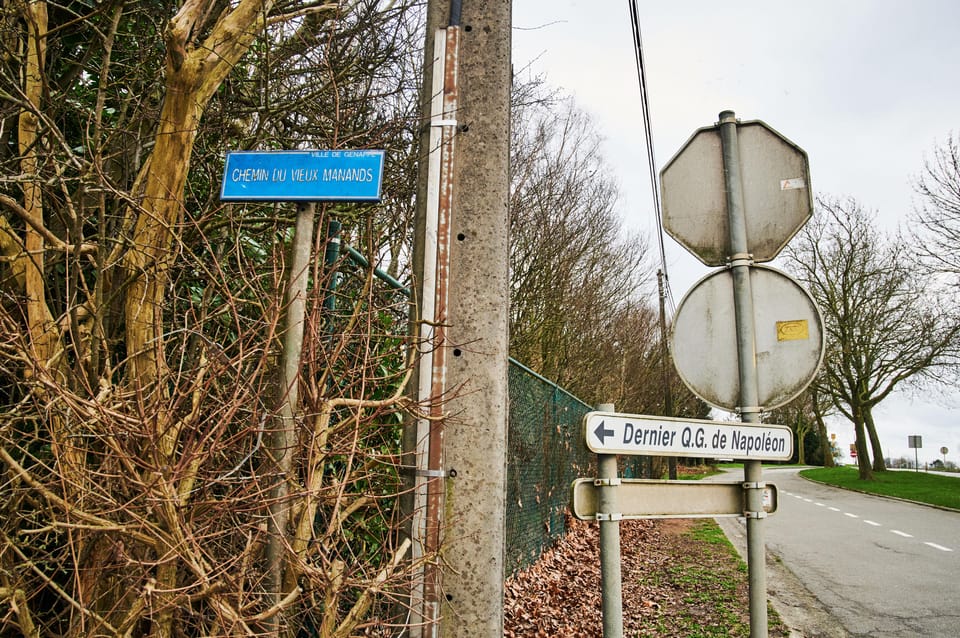
This tour is a good fit if:
- You want your first or second visit to Waterloo to feel structured and meaningful
- You enjoy the “where and why” side of history, not just names and dates
- You like getting the geography straight so the story makes sense
It may be less ideal if:
- You need lots of free time at each site
- You expect lunch to be included in the price
- You’re sensitive to time being spent on logistics and short guided segments
It’s also well suited for people coming from Brussels who don’t want the hassle of driving and parking across multiple battlefield areas.
Should you book Napoleon’s Last Campaign in Belgium Tour?
If you want a guided, private battlefield day with clear campaign sequencing, I think it’s worth serious consideration. The strongest version of the experience—highlighted by guides like Jeremie in reviews—can turn Ligny, Quatre-Bras, and Waterloo into a single story you actually understand. And the Waterloo portion plus Lion’s Hill stop is exactly where a guide adds the most value.
But if you’re buying this as a substitute for deep personal exploration time, or if you know you prefer long, slow site wandering, you might feel boxed in by the schedule. Also, since lunch isn’t included, plan for that extra cost.
If your goal is to leave Waterloo with the campaign in your head in the right order, this tour can deliver.
FAQ
How long is the tour?
The tour lasts 6 hours.
Where does the tour start and end?
It includes hotel pickup in Brussels (and surrounding areas) and ends with drop-off back at your Brussels-area accommodation.
Which battlefields and sites are included?
You’ll visit Ligny, Quatre-Bras, and Waterloo, and you’ll finish at the Lion’s Hill and Waterloo Memorial area.
Is lunch included in the price?
Lunch is not included. The tour includes a 1-hour lunch stop at a local restaurant, but food is paid separately.
What’s included in the cost?
The tour includes a private guide, private transportation, souvenirs, drinks, and fees.
What languages is the guided tour offered in?
The guide offers French and English.
Is it easy to change or cancel plans?
You can cancel up to 24 hours in advance for a full refund. The tour also offers a reserve now & pay later option.