REVIEW · FLANDERS
e-Scavenger hunt Turnhout: Explore the city at your own pace
Book on Viator →Operated by Qula · Bookable on Viator
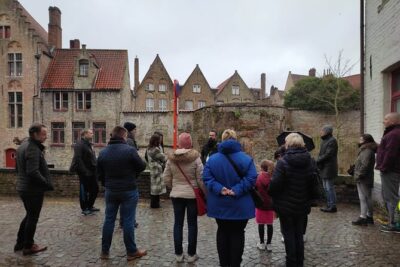
Turnhout turns into a game board. I like how this e-scavenger hunt makes you move through real landmarks at your speed, while the mobile ticket keeps everything simple. You’ll run into St. Peter’s Church, the UNESCO-listed beguinage, and the city’s playing-card and printing story—without needing a guide standing over you.
What I also really like is the team-friendly format: it’s private for your group (up to 6) and easy to pause for questions, photos, or a quick drink stop. The one practical catch: your smartphone and mobile data aren’t included, so you’ll want to be ready with battery and service (or an offline plan).
In This Review
- Key Points at a Glance
- How the e-Scavenger Hunt Works in Turnhout
- Start at Stationstraat 38, Then Let the City Set the Rhythm
- Begijnhof Through the UNESCO Gate: A Calm First Win
- St. Peter’s Church: Plain Outside, Beautiful Inside
- Brepols, the Playing Cards, and the Printing Company Story
- Taxandria Museum in House Metten Thoren
- Penge Café and De Warande: Stops for Pause and Culture
- Who This Suits Best: Families, Friends, Teambuilding, and Curious Walkers
- Price and Value: What $37.33 Per Group Really Buys
- Small Snags to Know Before You Go
- Should You Book the Turnhout City Trail?
- FAQ
- How long does the e-Scavenger hunt in Turnhout take?
- How many people can join per group?
- Is it available in English?
- Do I need to bring a smartphone and data?
- Where does the hunt start and where does it end?
- Is this a private activity?
Key Points at a Glance

- Self-paced city trail with no strict time pressure, so you can go slow in heat or rush when you’re feeling it
- Up to 6 people per group, great for families and friend teams that want a shared task
- Real Turnhout stops tied to tangible places like the Begijnhof, St. Peter’s Church, and De Warande
- Printing and playing-card lore from Brepols, plus a digitised paper collection you can watch online
- Most tasks are short walks (often around a few hundred meters), making the hunt feel doable
- Clear language support in English, and the app is designed to be usable even if you need help hearing
How the e-Scavenger Hunt Works in Turnhout
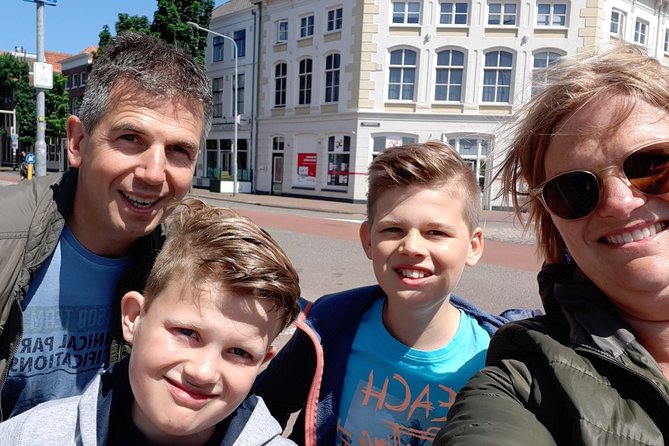
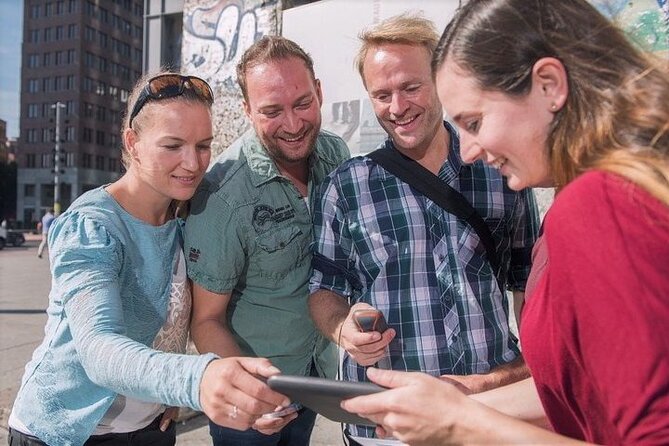
This isn’t a guided walking tour with a set script. It’s a phone-based scavenger hunt where you follow a route from stop to stop, answer questions, and learn as you go. You’ll get an instant confirmation at booking time, and the activity runs every day across the day—so you’re not stuck hunting for a single departure slot.
The format is built for wandering. You’ll see prompts, landmarks, and tasks tied to places around Turnhout, and you decide when you’re ready to move on. One big advantage: there’s no time limit vibe, so if you spot something worth lingering over, you can keep going without feeling rushed.
Your group size is capped at 6, and that changes the feel. With a smaller team, you’ll actually talk through the questions together instead of playing “guess what the leader is doing” from the back. If you’re doing this as a family or a team-building outing, this matters more than you’d think.
You can also read our reviews of more city tours in Flanders

Start at Stationstraat 38, Then Let the City Set the Rhythm
You begin at Stationstraat 38, 2300 Turnhout, and the hunt ends back at the same meeting point. That round-trip setup is underrated: it keeps you from worrying about where you’ll be when the game ends, and it makes planning easier if you’re catching public transit or meeting someone after.
In terms of timing, expect about 2 to 4 hours. In practice, it can run longer if you enjoy the detours or if you spend extra time reading signs and solving tougher questions. One thing I’d take from the experience style is that it works well as a “morning discovery” or as an “after lunch wandering” plan.
Also, bring a little street-smarts. The route is manageable on foot, and some assignment gaps are short (around 350 meters on average, based on one experience), but navigation can still take time if you’re not lining up the turns cleanly. If the heat is intense, build in breaks like you would for any outdoor walk—because your best pace is the one where you can enjoy it.
Begijnhof Through the UNESCO Gate: A Calm First Win
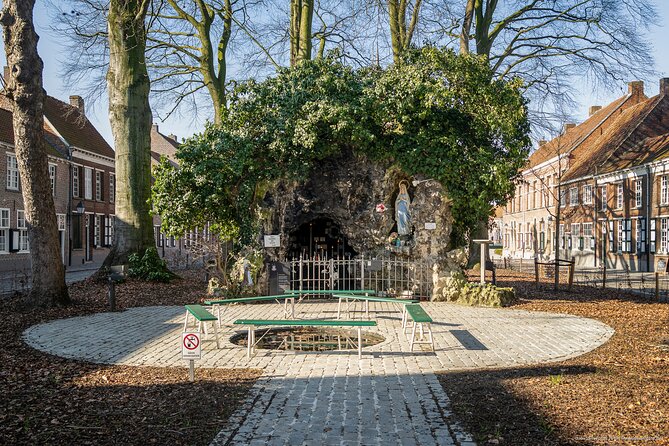
Your first major stop is the 14th-century beguinage, recognized as a UNESCO World Heritage Site since 1998. This is one of those places where the setting does half the storytelling for you. You pass through the gate and into the square Begijnhof, and suddenly Turnhout feels slower and more intimate than a typical shopping-street stroll.
What to look for here is not just photos. Spend time noticing the layout and the quiet between buildings. A beguinage isn’t flashy on purpose—it was built for daily life and community. So when the game asks you to spot details or connect the dots, you’ll get more out of it if you stand still for a moment instead of constantly walking.
The possible drawback: if you’re coming in with a “checkpoints only” mindset, beguinages can feel like they require patience. I’d treat this as your warm-up stop—solve the questions, then stay a few minutes longer to appreciate the atmosphere.
St. Peter’s Church: Plain Outside, Beautiful Inside
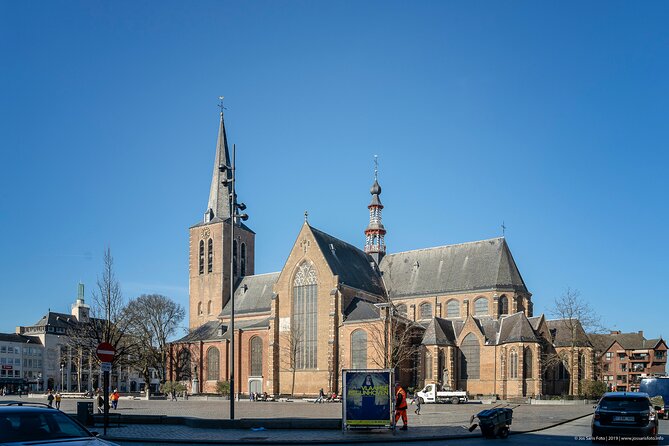
Next comes St. Peter’s Church, and the game’s framing is spot-on: the exterior is remarkably austere, while the interior is described as breathtaking. That contrast is the kind of travel detail you don’t want to rush. If you’ve seen church exteriors that all look similar from the street, this one flips the script.
Here’s how to make the most of this stop:
- Pause and look at the exterior like you’re studying it, not just walking past
- Then switch gears when you enter and pay attention to what changes—light, space, and ornamentation
The experience value is simple: you learn to notice how architecture communicates differently outside vs. inside. It also breaks up the “city game” feel with something genuinely memorable. Churches like this can become a highlight even if you’re not normally a church person.
Brepols, the Playing Cards, and the Printing Company Story
Turnhout has a claim to fame that’s easy to overlook until you hear it clearly. In 1826, Philip Jacobus Brepols helped put Turnhout on the world map by pressing the first playing cards—an event that set an entire industry in motion. That’s the kind of local fact that makes the city feel bigger than you expected.
From a game perspective, this is where the scavenger hunt becomes more than sightseeing. It turns trivia into a path through meaningful places. You’re not just collecting points—you’re connecting a name (Brepols) to the bigger idea of how paper, printing, and design shaped livelihoods.
You’ll also get a stop related to the Historical Printing Company, including an extensive paper collection that was digitised. One cool twist: the digitised collection can be watched online too. That means even if you don’t spend ages at the on-site bits, you can still keep the story going after the hunt, using your phone.
A practical note: if you’re the type who loves “how it’s made,” you’ll probably enjoy these segments extra. If you’re less into printing details, you can still stay engaged by focusing on the visuals and the way the facts connect to Turnhout’s identity.

Taxandria Museum in House Metten Thoren
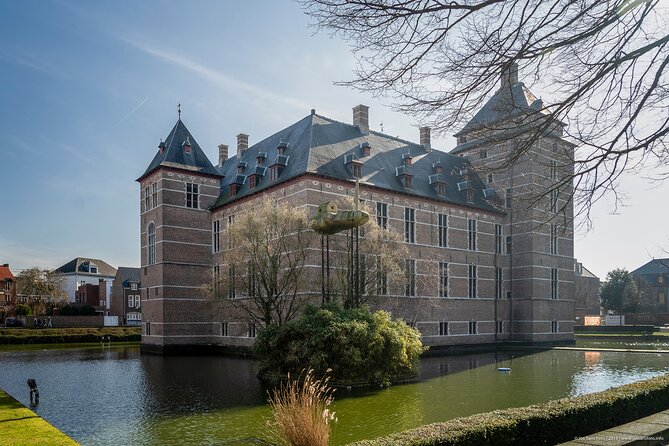
Then you’ll head to the Taxandria Museum, housed in the House Metten Thoren, a building from the 16th century. Even if the museum time is brief, the setting helps. You’re moving through a piece of old architecture while learning about the past of Turnhout.
Why this stop works in a scavenger hunt format: museums can feel intimidating if you don’t know what you’re looking for. Here, the game structure gives you a reason to pay attention and makes the information feel tied to the streets around you.
If you’re sensitive to time, you can treat this as a “power stop.” Skim what you need for the question prompts, then decide if you want to read more once you’re already oriented.
Penge Café and De Warande: Stops for Pause and Culture
The hunt doesn’t stay stuck in the history lane. You’ll get Penge, described as the oldest café in Turnhout at 129 years old. It’s the kind of pause that makes the whole outdoor walk feel more human. After a couple of stops, you’ll likely appreciate the chance to sit, cool down, and reset your brains for the next clue.
Then you’ll reach De Warande, a provincial cultural center. It includes a theater and concert hall, and it was among the first cultural centers in Flanders. Even if you just pass by and take in the setting, it helps round out the story of Turnhout: the city isn’t only about industry and church architecture. It has a public cultural life too.
This pairing—café and culture center—also balances the route rhythm. If the first half feels like you’re collecting facts, this part gives you a place to regroup and absorb what you learned.
Who This Suits Best: Families, Friends, Teambuilding, and Curious Walkers
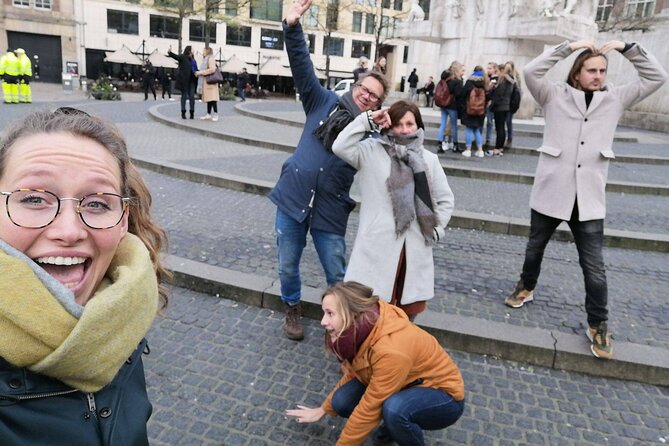
This scavenger hunt is made for groups that like shared discovery. It’s private for your group and sized so everyone can participate. One experience-style theme I took from how people use it: it works equally well for families and friend teams, and it can be a fun teambuilding activity because the questions create teamwork instantly.
It’s also a good “city legs” option. You’re outside, moving between points, and learning while you do it. One helpful detail: the walking gaps can be short, and the average distance between assignments is around 350 meters. That’s not a trek plan—it’s a series of connected strolls.
Still, I’d plan for real walking time. If you struggle with direction or follow the long end of curiosity, the route can stretch. In one case, a shorter schedule turned into a 6-hour walk totaling about 12 km, largely because finding the way took longer than expected. That doesn’t mean it’s impossible—just means you should start with comfortable shoes and a mindset that your route may take a little longer than the minimum.
If you’re doing this with kids, the game structure tends to help because they can chase clues and feel like they’re driving the day. One practical tip: agree on who handles the phone at each stop so everyone stays involved.
Price and Value: What $37.33 Per Group Really Buys
The price is $37.33 per group, for up to 6 people, lasting about 2 to 4 hours. On a per-person basis, that can be a very good deal, especially if you split it among a family or small group.
Why it feels like value:
- You’re getting multiple major sights instead of one single attraction
- You’re doing active sightseeing, which can feel more satisfying than passive entry tickets
- The app format lets you go at your pace, so you’re not paying for someone else’s timetable
If you’re traveling solo, the cost may feel less sharp (because it’s per group). But if you can join with friends or bring family, the economics improve fast. For a short, meaningful city day, it’s a budget-friendly way to learn Turnhout without booking separate tours for each landmark.
Also, your “hidden cost” is the phone. Since smartphones and data aren’t included, plan for that. If your data plan is thin, consider whether you can access what you need offline, or plan a quick setup before you leave for the walk.
Small Snags to Know Before You Go
This experience is generally smooth, but there are a few things I think you should know ahead of time.
1) Navigation can take extra time
The plan works, but some people wanted clearer signage for moving from point A to the next. A simple fix on your side: use Google Maps or your phone’s general navigation as a backup, especially at turns.
2) Some questions are easier, others are tough
That mix is part of the fun—until it isn’t. If your group likes puzzles, you’ll enjoy the challenge. If you just want light sightseeing, you might want to assign someone to tackle tougher prompts so the whole group doesn’t stall.
3) Language glitches can show up
One report noted language errors that were distracting. The provider indicated they’ll improve the language within 10 working days. So you might not hit the same issue, but if you’re very sensitive to text mistakes, treat it as a small possibility.
4) It’s outdoors, so weather matters
In hot weather, people were glad they could take breaks while still keeping momentum. Bring water, sun protection, and a plan for stopping when you need it.
Should You Book the Turnhout City Trail?
I’d book this if you want a budget-friendly, self-paced way to see Turnhout’s main landmarks and learn why the city is known for playing cards and printing. It’s especially worth it if you’re traveling with a small group (up to 6) that likes solving questions together instead of following a strict schedule.
Skip it—or at least rethink it—if you don’t have reliable phone access (smartphone and data matter here) or if you prefer fully guided sightseeing with zero navigation effort. But if you can manage basic tech and you’re comfortable walking a city route, this is a practical way to turn an ordinary afternoon into a structured, fun day of discovery.
FAQ
How long does the e-Scavenger hunt in Turnhout take?
It takes about 2 to 4 hours (approx.), depending on your pace and how long you spend on each stop.
How many people can join per group?
The trail is set up for a team of up to 6 people per group.
Is it available in English?
Yes, it’s offered in English.
Do I need to bring a smartphone and data?
Yes. A smartphone and mobile data are not included, but the game is played via an online app on your phone.
Where does the hunt start and where does it end?
It starts at Stationstraat 38, 2300 Turnhout, Belgium, and it ends back at the same meeting point.
Is this a private activity?
Yes. It’s a private tour/activity, so only your group will participate. Service animals are allowed, and it’s near public transportation.